 20 May, 2026
 Industry News Material Guide
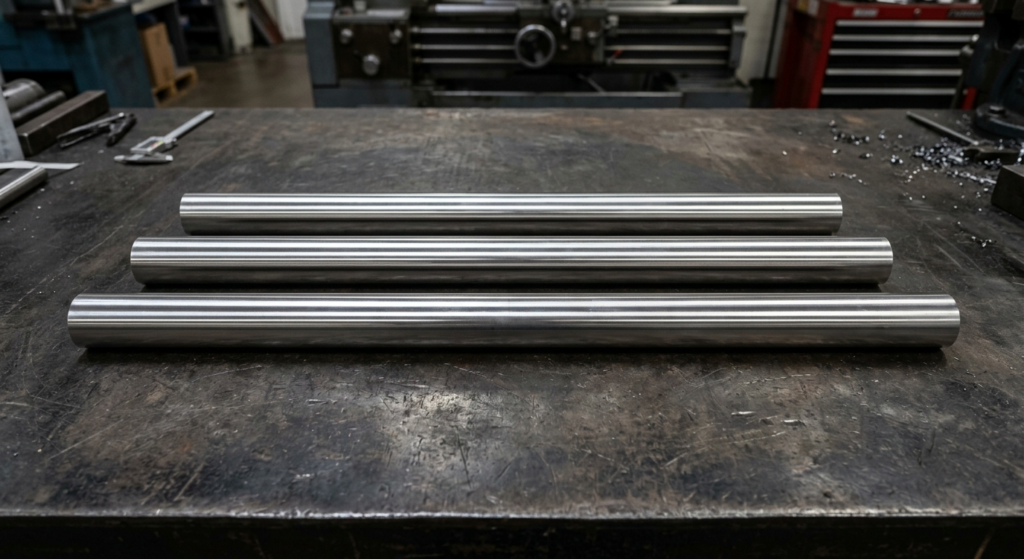
If you need parts machined fast and cheap and they won’t sit in a harsh environment, go with 303. If you want an all-purpose grade that resists rust in normal indoor or outdoor use, 304 is the default choice. If your parts will face saltwater, chemicals, or medical sterilization cycles, 316 is worth the extra cost — anything less and you’re gambling with corrosion failure down the road.
Here’s the mistake we see constantly: someone specs 304 stainless because it’s the “standard” grade, then wonders why their machining quote came back higher than expected — or why the finished part has a rougher surface than they wanted. Stainless steel isn’t one material. It’s a family of alloys with wildly different behavior under a cutting tool, even though they all look the same on a spec sheet.
The three grades in this comparison — 303, 304, and 316 — are all austenitic stainless steels, meaning they share a similar crystal structure and general corrosion resistance. But the small differences in chemistry (a few percent of sulfur here, molybdenum there) change everything about how the part machines, welds, and holds up in service. Get the grade wrong and you either overpay for protection you didn’t need, or under-protect a part that ends up rusting in six months.
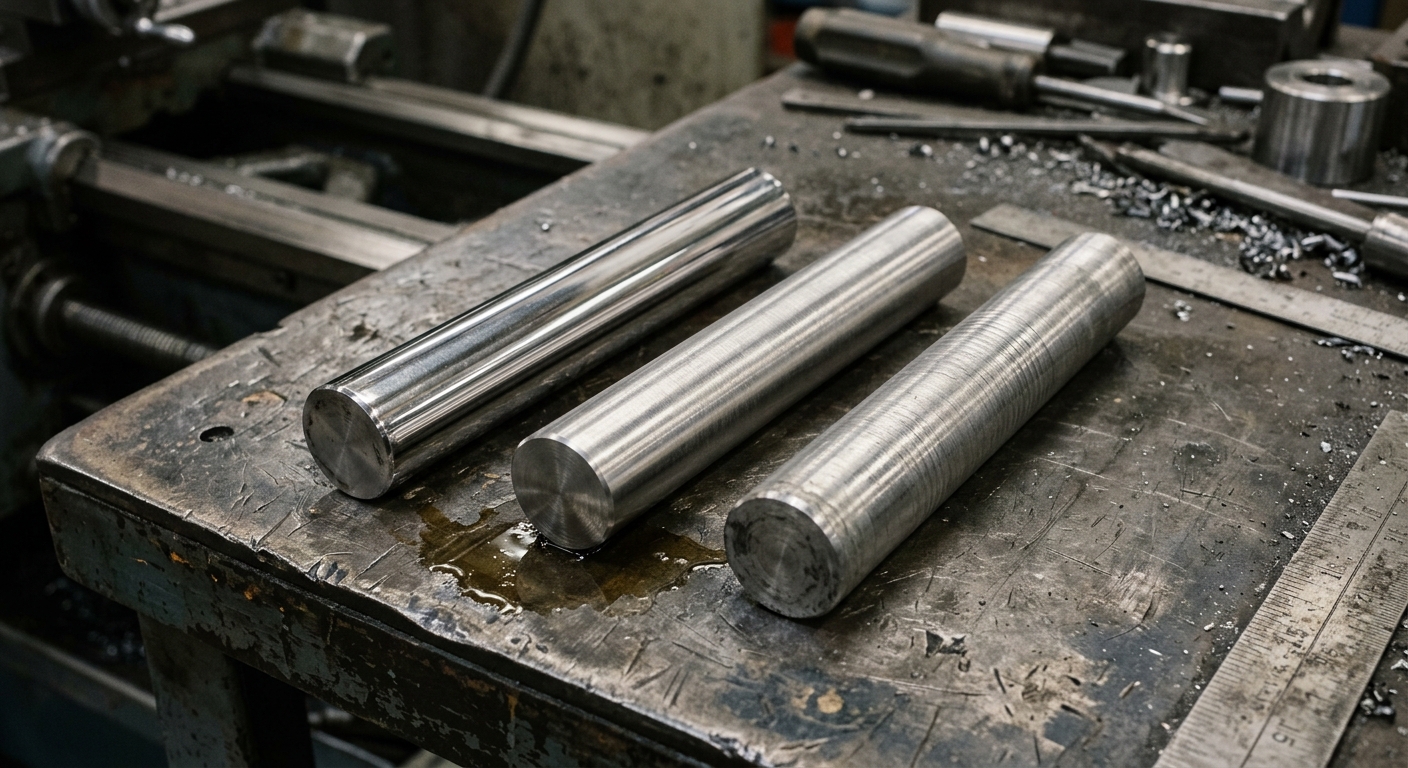
303 exists for one reason: to machine easily. Manufacturers add sulfur (typically 0.15% minimum) specifically to create short, breakable chips instead of the long stringy ones that clog up tooling on other stainless grades. That’s why 303 has a machinability rating around 78% relative to free-cutting brass — dramatically better than 304’s roughly 45%.
The sulfur that makes 303 easy to cut also creates tiny manganese sulfide inclusions throughout the material. These inclusions are microscopic weak points where corrosion can start, especially in chloride-rich environments. 303 also welds poorly — the sulfur causes hot cracking, so it’s a bad choice for any part requiring welded joints or brazing.
For instance, a fastener manufacturer producing 50,000 stainless screws a month will almost always spec 303. The parts are small, high-volume, and going into indoor equipment housings — corrosion resistance beyond “doesn’t rust in a warehouse” simply isn’t the priority. Machining speed and tool life are what matter, and 303 wins on both.
304 is the grade people mean when they just say “stainless steel” without specifying. It contains 18% chromium and 8% nickel, giving it solid general corrosion resistance and good weldability — which is exactly why it dominates food processing equipment, architectural fixtures, and general fabrication.
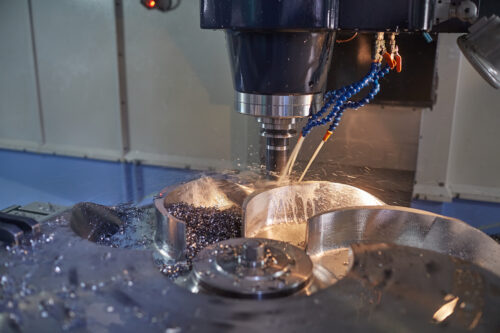
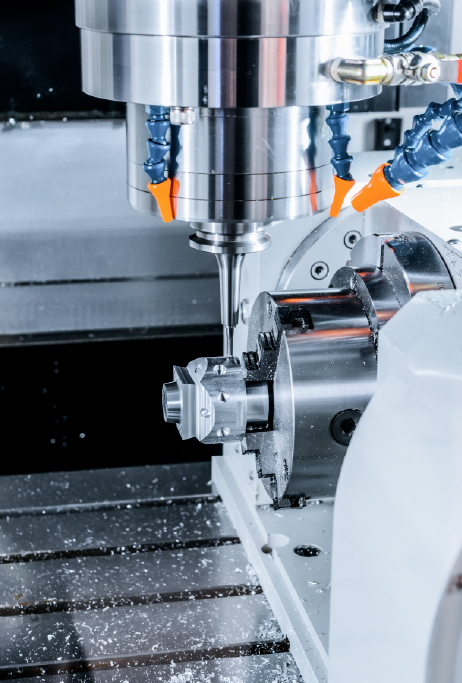
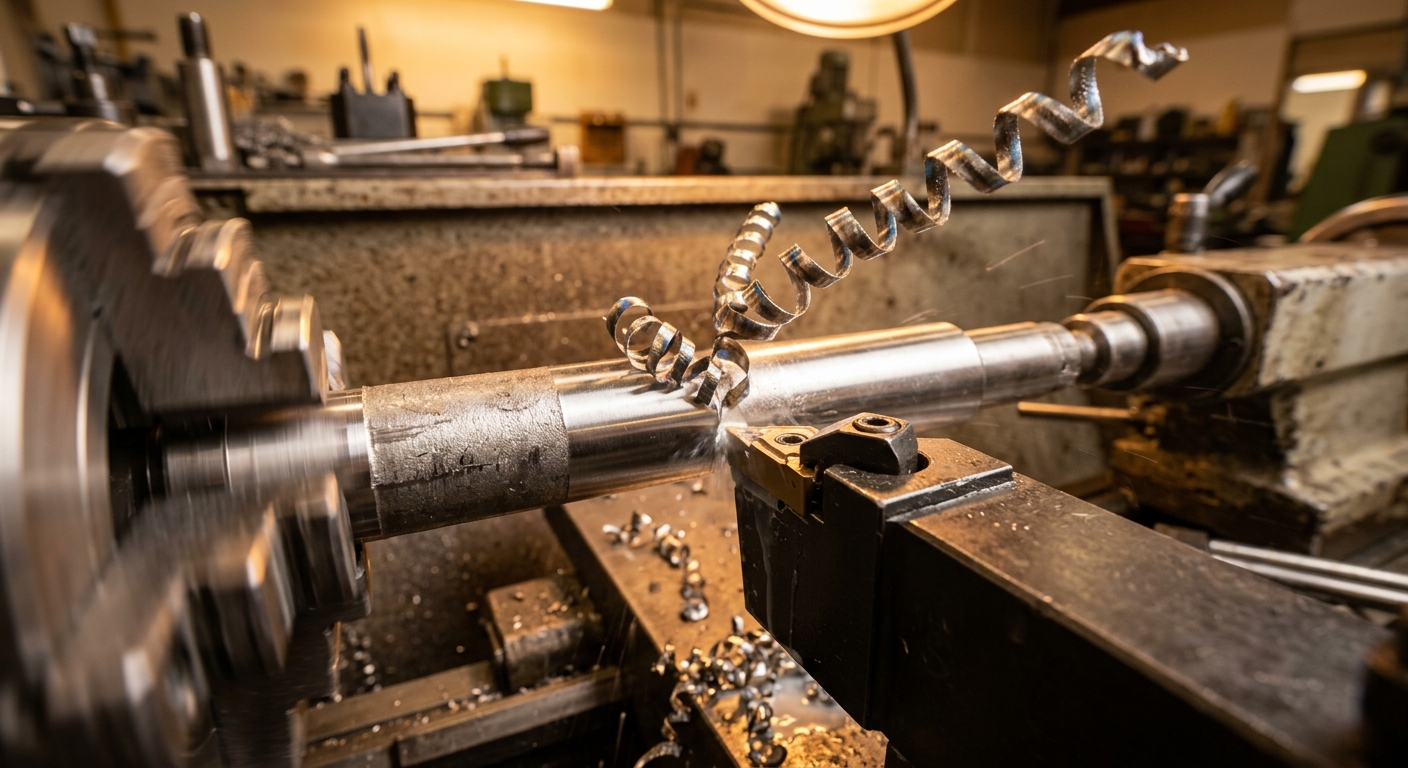
It machines noticeably harder than 303. Without the free-machining sulfur additive, 304 tends to work-harden as you cut it, generating heat and stringy chips that can gall against tooling. Shops compensate with sharper tool geometry, higher-pressure coolant, and slower feed rates — all of which add cost compared to 303, even though the raw material price difference is small.
If you’re evaluating whether 304 is tough enough machinability-wise for your design, it helps to review our guide to machining stainless steel, which covers the tooling and coolant strategies that keep surface finish from suffering on harder grades like this one.
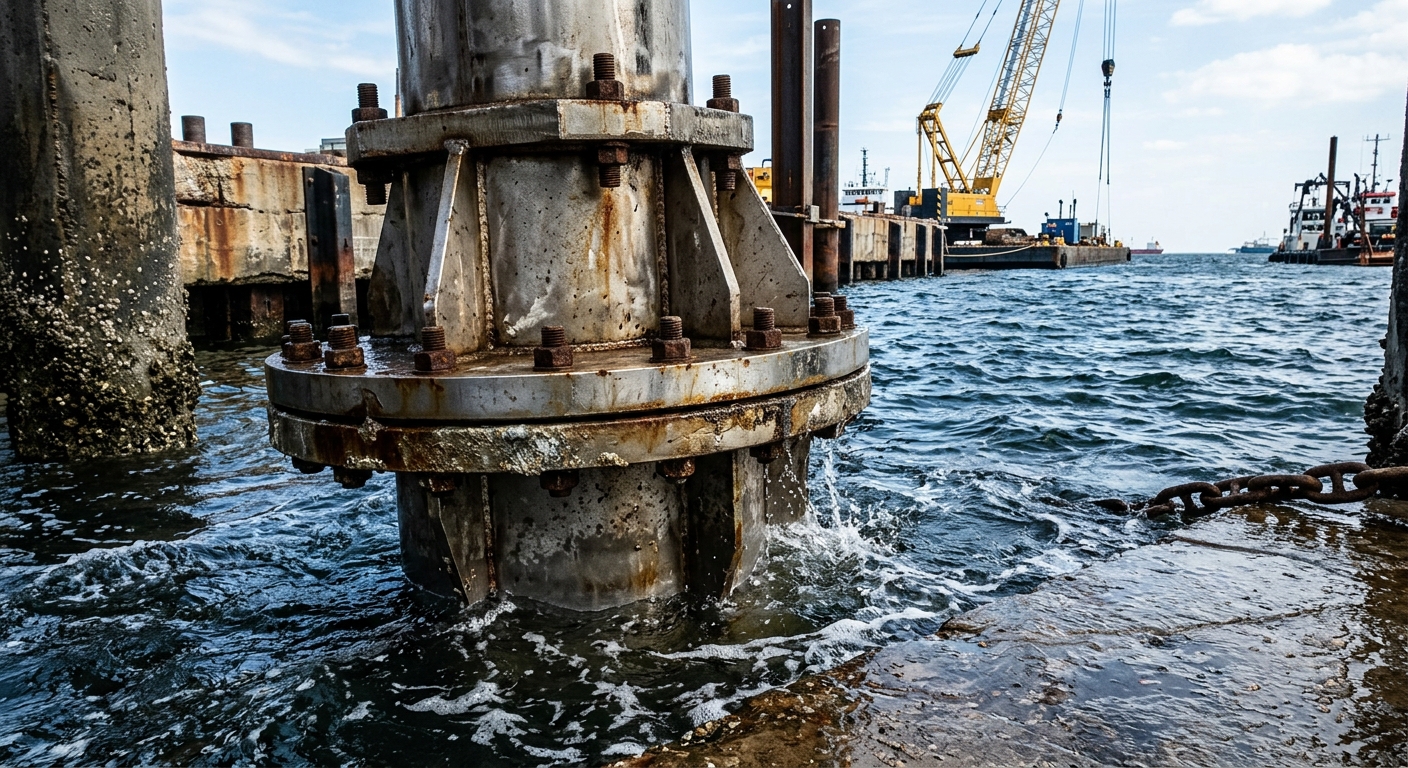
316 adds 2-3% molybdenum to the 304 formula. That one addition is the whole story — molybdenum dramatically improves resistance to chlorides and other industrial chemicals, which is why 316 is sometimes called “marine grade” stainless. If your part will see saltwater spray, chlorine-based cleaning agents, or bodily fluids in a medical device, 316 is the grade that won’t let you down.
316 machines slightly worse than 304 — it work-hardens similarly but has a bit more toughness to fight through, meaning marginally slower cycle times and faster tool wear. It also costs 30-50% more than 303 depending on market conditions, since molybdenum pricing fluctuates more than base steel.
A real-world example: a customer building sensor housings for offshore monitoring equipment initially specced 304 to save cost. Within eight months, units returned from the field showed pitting corrosion around weld seams exposed to salt spray. Switching to 316 solved it completely — the extra material cost was a rounding error next to the cost of field failures and warranty replacements.
The table below summarizes the core tradeoffs. Use it as a quick reference, but remember: machinability and corrosion resistance move in roughly opposite directions across these three grades. There’s no free lunch here — you’re always trading one for the other.
| Criteria | 303 Stainless | 304 Stainless | 316 Stainless |
|---|---|---|---|
| Machinability rating | Best (~78%) | Good (~45%) | Fair (~40%) |
| Corrosion resistance | Moderate | Good | Excellent (marine-grade) |
| Weldability | Poor | Excellent | Excellent |
| Relative cost | Baseline | +5-10% | +30-50% |
| Sulfur content | Added for machining | Trace | Trace |
| Molybdenum content | None | None | 2-3% |
| Best use case | High-volume turned parts, fasteners | General fabrication, food contact | Marine, medical, chemical exposure |
| Magnetic response | Slightly magnetic | Non-magnetic (mostly) | Non-magnetic |
Ask two shops to quote the same part in 303 versus 304 and you’ll often see a 15-25% price difference on the machining line alone, even though the raw material cost barely moves. Why? Cycle time. 304’s tendency to work-harden means slower feeds, more frequent tool changes, and sometimes a second finishing pass to clean up a surface that got roughed up by heat buildup.
If your design tolerates it, look for features that don’t need tight tolerances or fine surface finish on 304 or 316 parts — deep pockets, small internal radii, and thin walls are where these tougher grades really cost you in tool wear and scrap rate. Our post on designing for CNC machining to reduce cost goes deeper into geometry choices that keep quotes reasonable regardless of material.
Skip the spec-sheet rabbit hole and ask three questions instead:
If none of those apply cleanly, 304 is the safe middle ground — it’s the grade that works “well enough” in the widest range of situations, which is exactly why it became the default in the first place.
Not sure which grade fits your specific part? Check our materials page for full spec sheets, or browse our machining capabilities to see what tolerances and finishes are realistic for each grade.