 20 Aug, 2026
 Industry News Design & Manufacturing
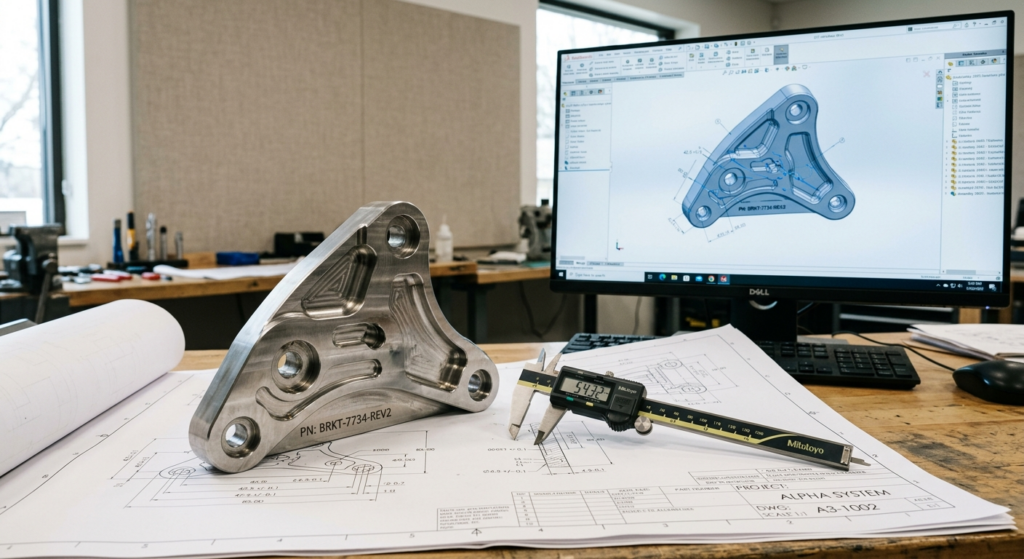
An accurate CNC machining quote depends on five things: a 3D model, a dimensioned 2D drawing with tolerances, a specific material and condition, the required surface finish, and the quantity you need. Leave any of these out, and you’re not comparing quotes — you’re comparing guesses. Suppliers who quote from incomplete data either pad the price to cover risk, or price it low and hit you with change orders once the real requirements surface.
Send the same vague RFQ to three shops and you’ll get three different numbers — sometimes 2x apart. That’s not one shop overcharging. It’s three shops filling in the blanks differently. One assumes standard tolerances (±0.005 in on most features), another assumes tighter tolerances because your drawing looks like an aerospace bracket, and a third quotes generic 6061 aluminum when you actually need 7075.
Every assumption a supplier makes on your behalf becomes a risk factor in the price. Machinists price uncertainty conservatively — that’s just good business on their end. The fix isn’t finding a shop that quotes optimistically; it’s removing the ambiguity so every supplier is quoting the same part.
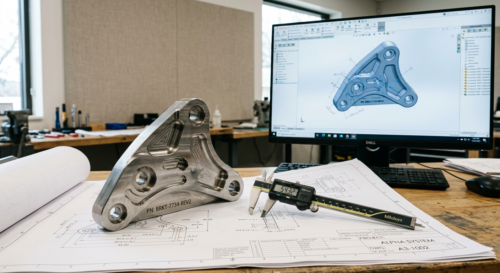
A STEP file is the baseline. Native CAD files (SolidWorks, Inventor) are fine too, but STEP is universally readable and won’t create version conflicts. Without a 3D model, quoting turns into manual reconstruction from 2D views — slower, and prone to misreading geometry like internal fillets, undercuts, or wall thickness transitions.
If you’re still finalizing geometry, say so. A shop can often quote from a near-final model with a note that dimensions may shift slightly — that’s a very different conversation than silence about it.
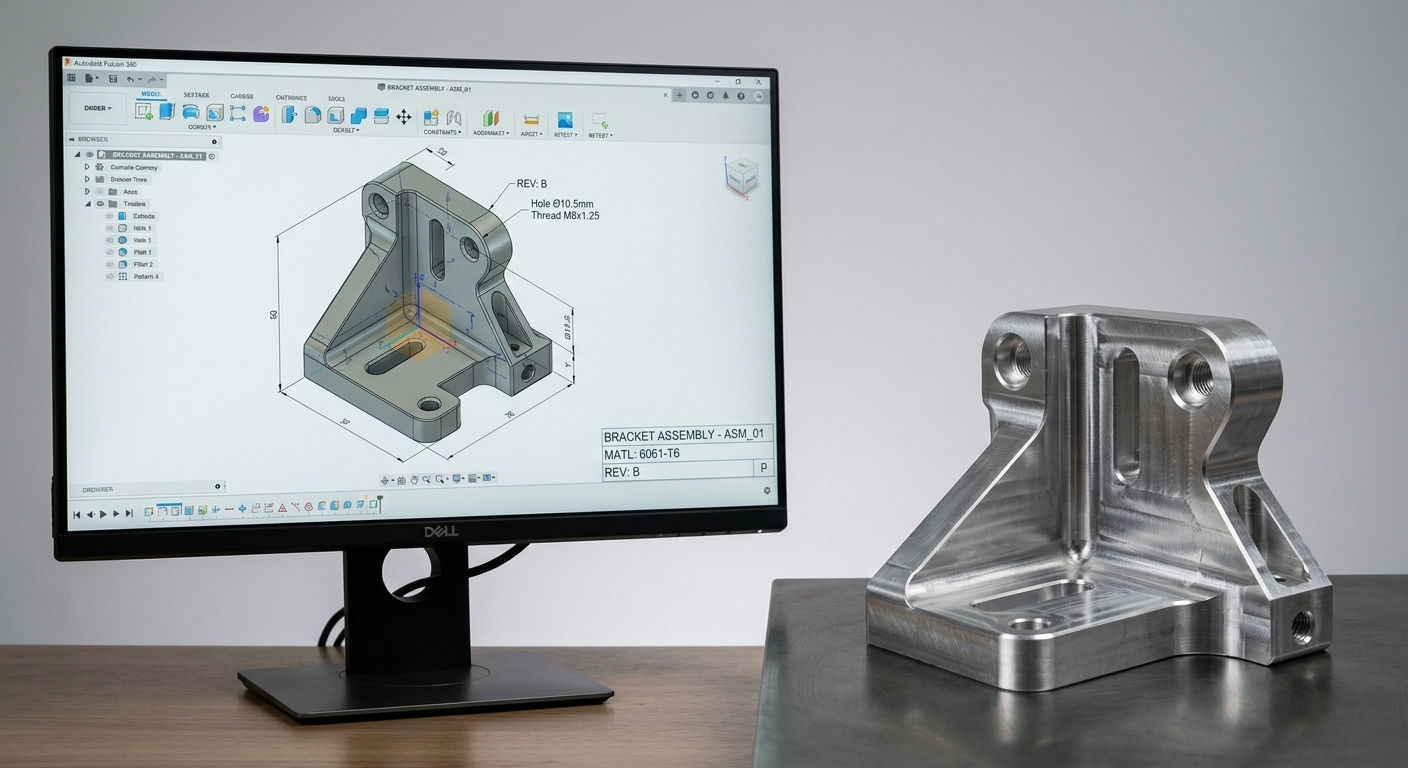
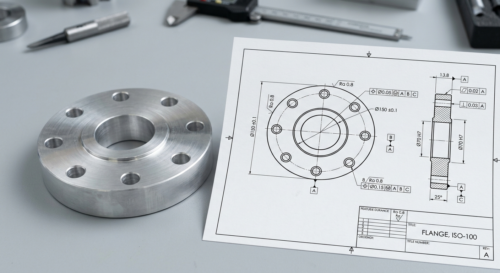
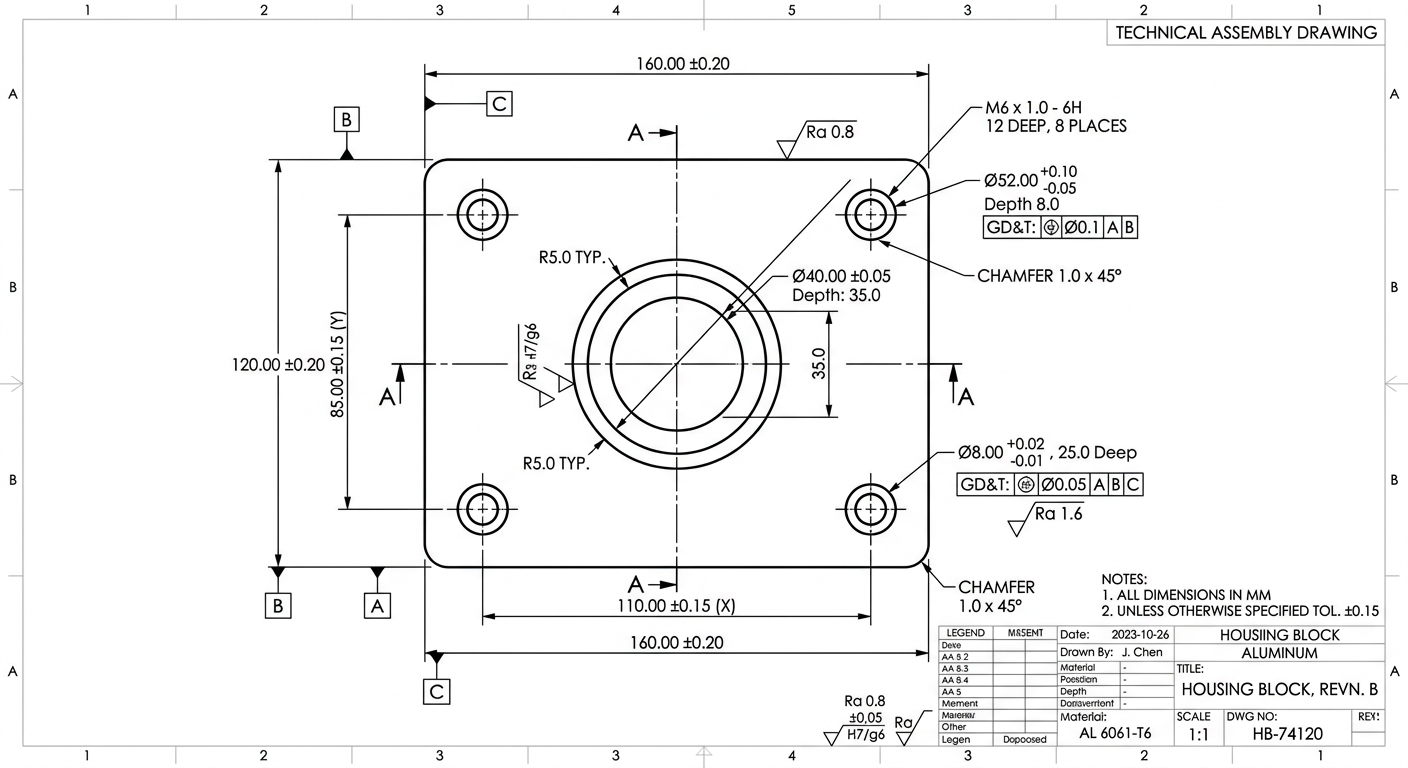
The 3D model tells the shop what the part looks like. The 2D drawing tells them what actually matters. Without it, every dimension gets treated as equally important — which almost never reflects reality. A bearing bore might need ±0.0005 in while the outer profile is fine at ±0.010 in. If that’s not called out, the shop either quotes everything tight (expensive) or everything loose (risky).
Include GD&T callouts where they apply — flatness, perpendicularity, position — rather than relying on general tolerance blocks alone. For a deeper look at how tight is actually necessary, see Understanding Tolerances: How Precise Does Your Part Really Need to Be?. Getting this right is also one of the fastest ways to control cost — our guide on designing for CNC machining to reduce cost covers how over-specifying tolerances inflates quotes unnecessarily.
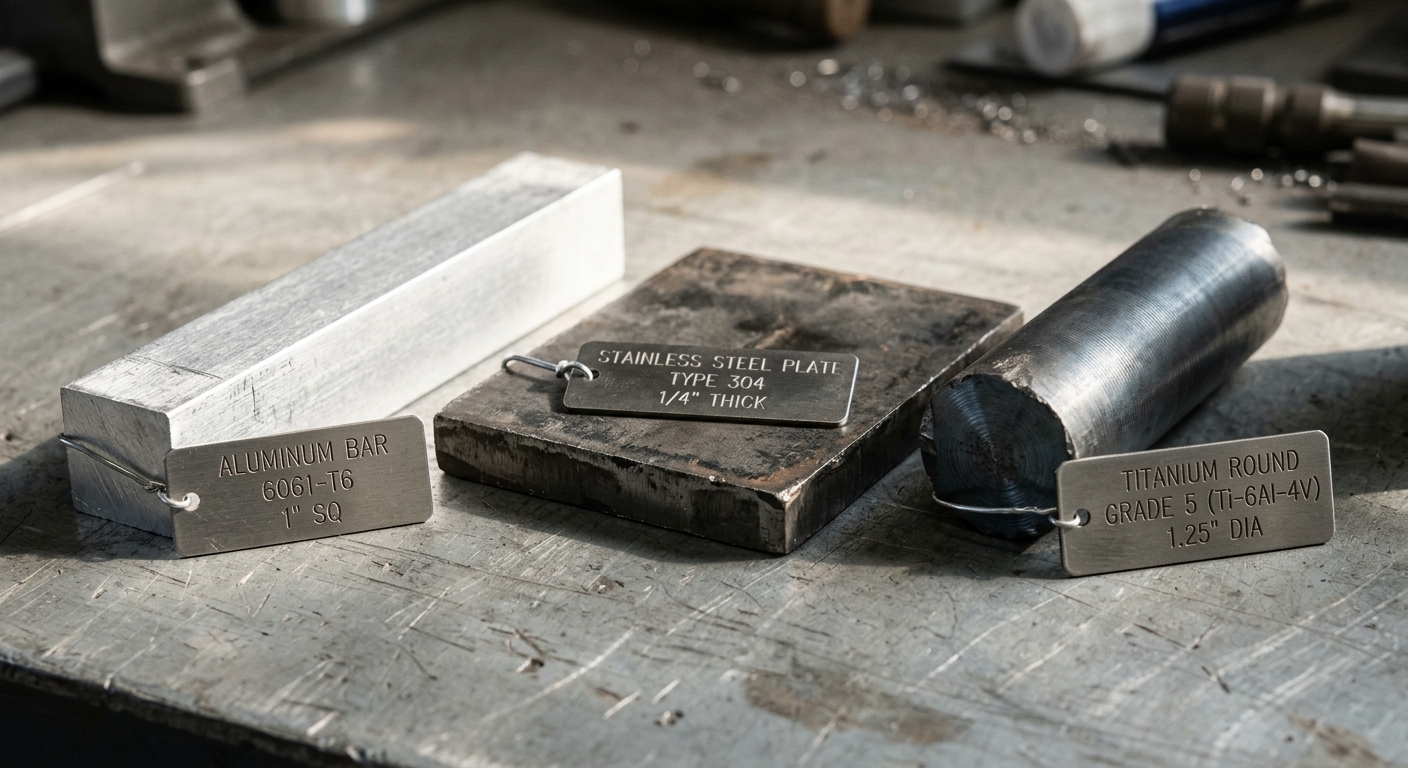
‘Aluminum’ is not a material spec. Neither is ‘stainless steel.’ Suppliers need the exact grade and, ideally, the condition or temper — because price and machinability vary significantly within a family. 6061-T6 machines easily and costs less than 7075-T6, which offers higher strength but generates more tool wear and cutting force. If you need help choosing between them, Aluminum 6061 vs 7075: Strength, Cost, and Machinability breaks down the trade-off in detail.
304 versus 316 versus 303 affects corrosion resistance, machinability, and cost — sometimes by 20-30% per pound of raw stock. Our comparison of 303 vs 304 vs 316 stainless steel is worth reviewing before you lock in a spec on the drawing. Also specify stock form if it matters — bar, plate, or forging can change cost and lead time independently of the grade itself. See our materials overview for a broader reference on what’s commonly used across industries.
An as-machined finish (typically Ra 3.2 –6.3 µm depending on operation) is the default if nothing else is specified — and it’s often fine for internal brackets, fixtures, or hidden housings. But if your part is cosmetic, corrosion-sensitive, or needs to mate with a seal, that default won’t cut it, and finding out after parts arrive is an expensive way to learn.
Be specific: anodizing type and color, bead blasting, passivation for stainless, or a target Ra value on functional surfaces like bores or sealing faces. Review surface finishing options before writing the RFQ so you’re requesting something the shop can actually quote against, rather than a vague ‘smooth finish’ note that gets interpreted differently by every supplier.
Quoting one part and quoting 500 parts are different pricing exercises, and suppliers price them differently for good reason. At low quantities, setup and fixturing cost dominates the per-part price. At higher volumes, that fixed cost spreads out and per-part price drops — sometimes 40-60% between a 5-piece prototype run and a 500-piece production run, depending entirely on the part’s complexity and fixturing needs.
A robotics startup once requested a quote for 10 aluminum motor mount brackets with no forecast mentioned. The shop priced it as a one-off prototype job — reasonable, given the information provided. Three months later, the same company needed 300 units and got quoted a per-part price nearly double what they expected, because the supplier had to build proper fixturing they hadn’t budgeted for in the first quote. Mentioning ‘expect to scale to a few hundred units within 6 months’ on the original RFQ would have let the shop offer a fixturing plan and pricing structure that anticipated the ramp.
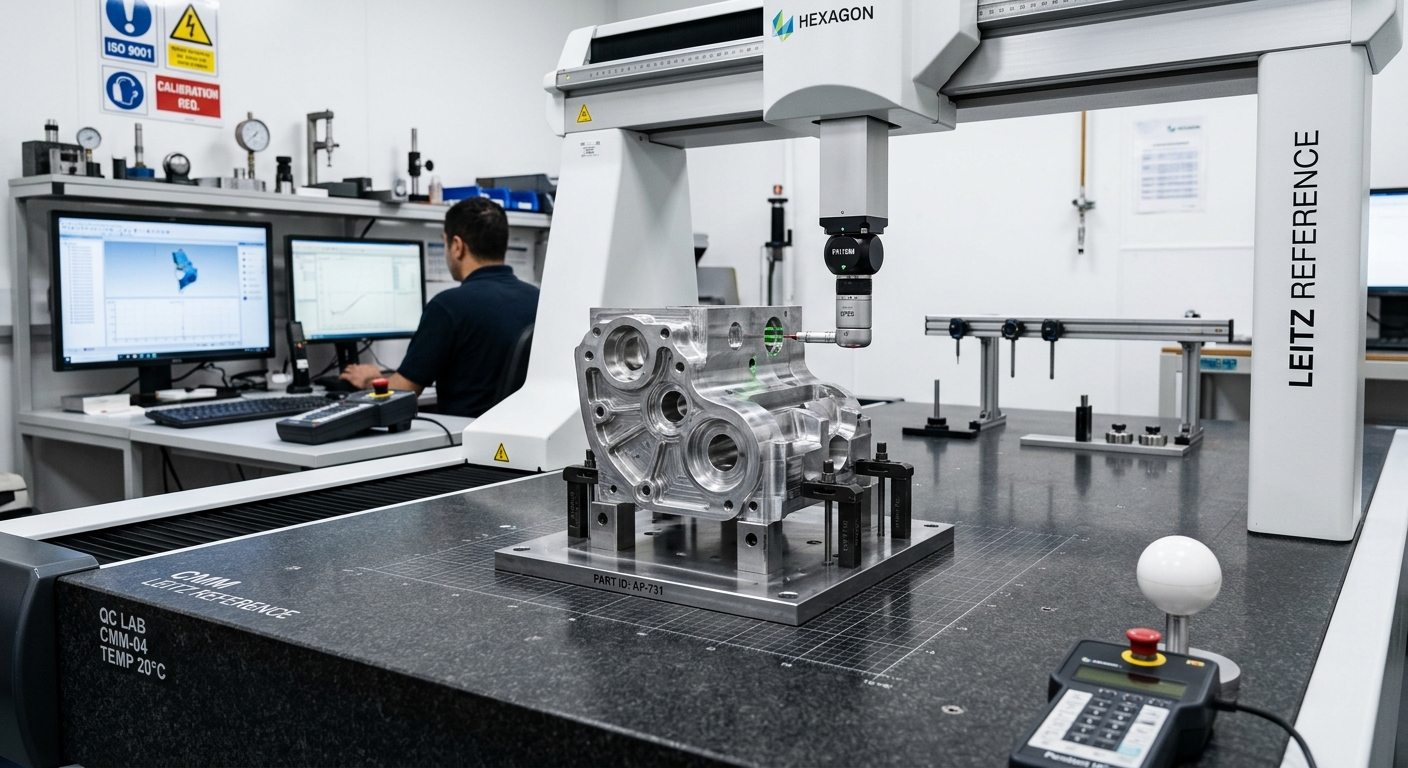
If your part needs a CMM inspection report, material certifications, or a First Article Inspection (FAI) packet, say so in the RFQ — not after the parts ship. These requirements add real cost and lead time, and a supplier quoting without knowing about them is quoting the wrong job.
Being explicit here avoids two bad outcomes: paying for inspection rigor you didn’t need, or receiving parts that pass visually but lack documentation your quality team requires for sign-off.
State your target date, not just ‘ASAP.’ A firm deadline lets a shop tell you honestly whether it’s achievable with standard scheduling or requires expedited fees. Vague urgency, on the other hand, often gets deprioritized behind RFQs with clear delivery windows.
If you’re evaluating multiple suppliers on lead time as a deciding factor, it helps to also understand how they handle scheduling and communication generally — our guide on vetting a CNC supplier covers the right questions to ask before you commit to one.
Keep it simple enough that you’ll actually fill it out every time. A practical RFQ should include:
Not sure which manufacturing process fits your part’s geometry in the first place? Our capabilities page outlines what’s typically achievable across CNC machining, Wire EDM, and sheet metal fabrication, which can help you frame the RFQ correctly before it’s even sent.