
Aluminum 6061 vs 7075: Strength, Cost, and Machinability
-
 15 Jul, 2026
-
 Industry News Material Guide
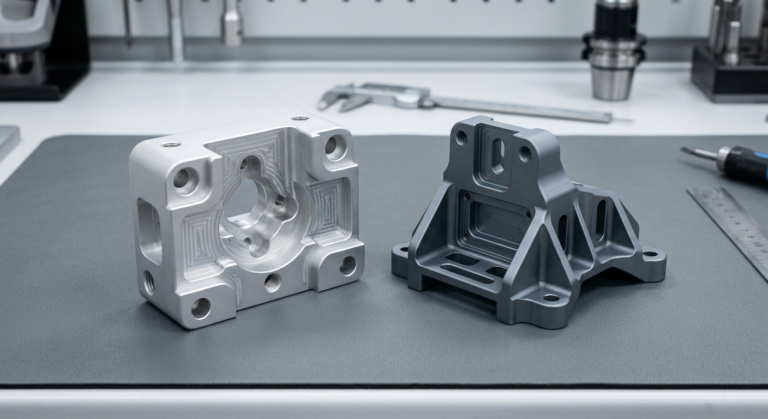
If your part needs to survive real structural loads — think aircraft fittings, gears, or high-stress brackets — 7075 is the stronger, tougher choice, with nearly double the tensile strength of 6061. But if you’re machining general-purpose housings, fixtures, or parts that need welding or anodizing, 6061 is cheaper, easier to cut, and just as good for the job. The right answer depends entirely on what stress the part will actually see in service, not on which alloy sounds more “premium.”
The Core Difference: What Makes 7075 So Much Stronger
Here’s the mistake a lot of buyers make: they assume 7075 is just a “better version” of 6061. It’s not better — it’s built differently. 6061 is an aluminum-magnesium-silicon alloy, while 7075 is aluminum-zinc, and that zinc content is what gives it aerospace-grade strength.
Tensile strength tells the real story. 6061-T6 comes in around 45,000 psi. 7075-T6 nearly doubles that at roughly 83,000 psi — close to some mild steels. That’s why 7075 shows up in aircraft wing spars, rock climbing carabiners, and gearbox components, while 6061 dominates in everyday structural parts, enclosures, and brackets.
Why This Matters for Your Design
If your part is a static bracket holding a sensor in place, you don’t need 7075’s strength — you’re paying for capability you’ll never use. But if it’s a load-bearing arm on a robotic actuator that flexes thousands of times a day, 6061 might fatigue or deform where 7075 won’t.
Machinability: Why Shops Charge More to Cut 7075
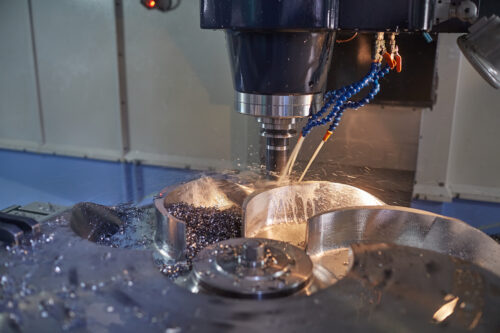
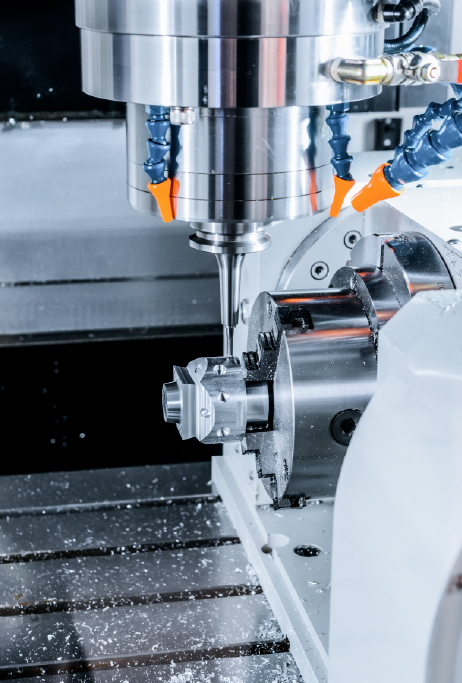
7075 fights back on the mill. It’s harder, gummier in some conditions, and generates more tool wear — which means longer cycle times and higher tooling costs passed on to you. On a machinability index where 6061 rates around 90%, 7075 typically lands closer to 70%.
That doesn’t mean 7075 is hard to machine — plenty of shops run it daily — but it does mean feeds, speeds, and tool selection need to be dialed in more carefully to avoid work hardening and premature tool failure. If your CNC provider quotes a noticeably higher price for a 7075 part versus the same geometry in 6061, that’s not padding — it’s the real cost of cutting a tougher alloy.
For parts with tight tolerances or thin walls, this gap widens further. Check our guide on how precise your part really needs to be before specifying 7075 by default — sometimes 6061 with a smarter design meets the same requirement for less.
Cost Comparison: Where the Money Actually Goes
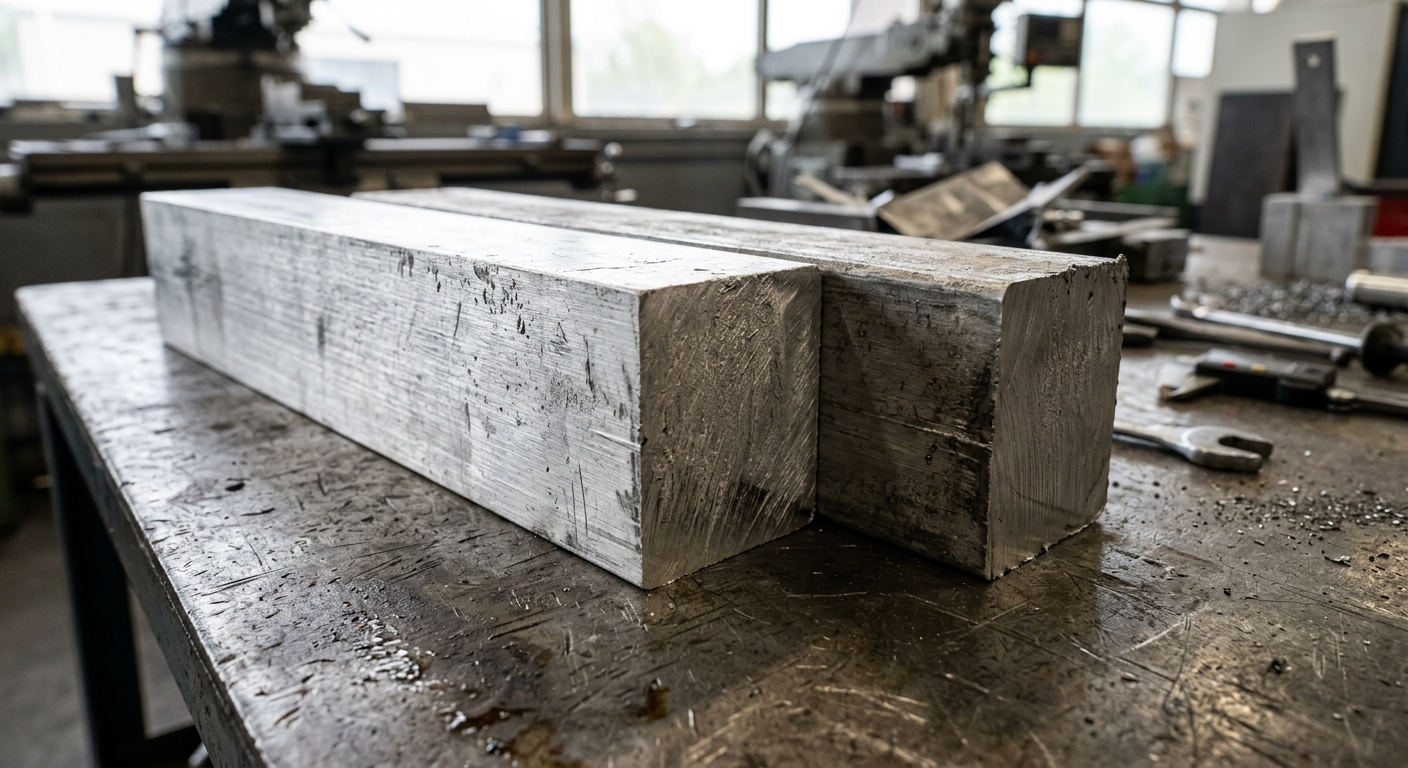
Raw 7075 bar stock typically runs 1.5 to 2 times the price of 6061, but that’s only part of the equation. Add slower machining speeds, faster tool wear, and (often) the need for a protective coating since 7075 corrodes more easily than 6061, and the total part cost gap can hit 2–3x.
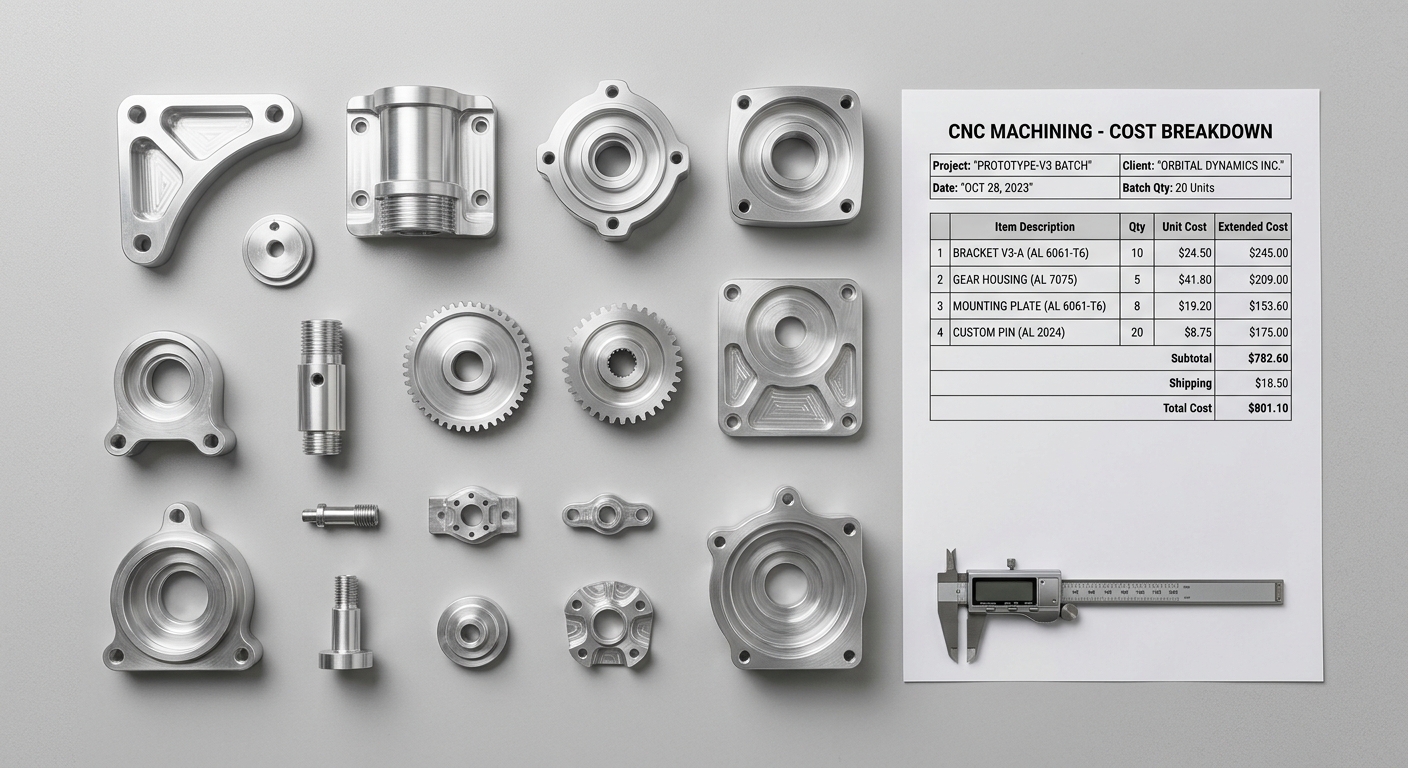
For example, a batch of 500 mounting brackets machined in 6061 might run at a certain per-unit cost — switch that same design to 7075 without changing anything else, and expect a noticeably higher quote purely from material and cycle time, before you even factor in finishing.
The Comparison at a Glance
| Factor | 6061-T6 | 7075-T6 |
|---|---|---|
| Tensile Strength | ~45,000 psi | ~83,000 psi |
| Machinability | Excellent (~90%) | Good (~70%) |
| Weldability | Good | Poor |
| Corrosion Resistance | Very good | Moderate |
| Relative Cost | 1x | 1.5x–2x |
If you’re weighing this cost difference against other manufacturing routes entirely, it’s worth also comparing material savings against process choice.
Corrosion Resistance and Finishing: The Overlooked Factor
6061 handles moisture and outdoor exposure well on its own — that’s part of why it’s the go-to for marine hardware and outdoor enclosures. 7075, on the other hand, is more susceptible to stress corrosion cracking, especially in humid or salty environments, unless it’s properly coated or anodized.
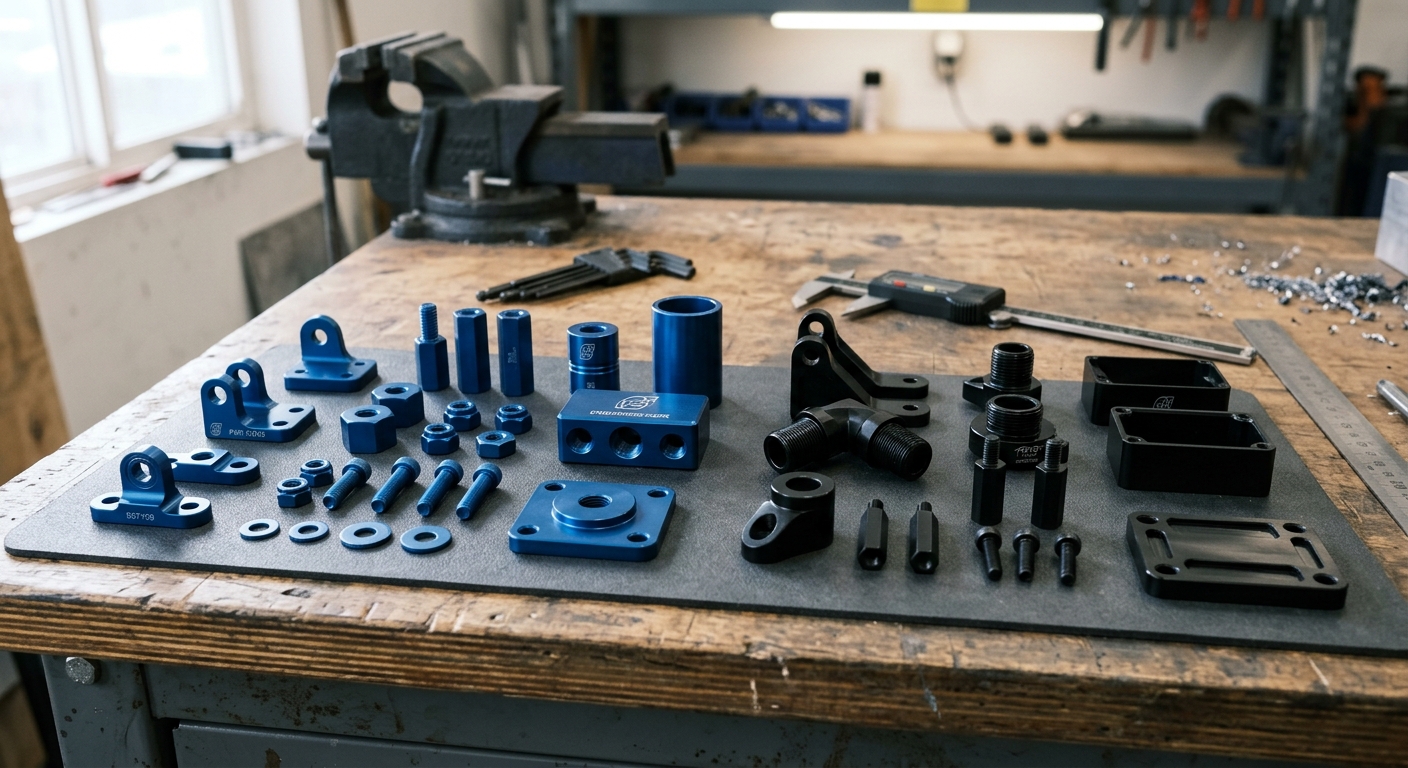
Speaking of anodizing — 6061 takes anodizing beautifully, producing clean, consistent color and a hard oxide layer. 7075 can anodize with a slightly duller or yellowish tint due to its alloying elements, which matters if your part is cosmetic as well as functional. Check our surface finishing options if appearance is part of the spec.
For instance, an outdoor equipment manufacturer building weatherproof housings chose 6061 specifically because it skipped an extra coating step that 7075 would have required — saving both time and cost without sacrificing durability for that application.
Weldability: A Deal-Breaker for Some Projects
If your assembly requires welding, this decision basically makes itself. 6061 welds reasonably well with proper technique and filler material. 7075 is generally considered non-weldable in production settings — the heat from welding disrupts its precipitation-hardened structure and creates cracking risk right in the heat-affected zone.
So if your design involves welded frames, brackets, or multi-part assemblies joined by fusion welding, 7075 is off the table by default. Manufacturers needing that strength profile in a welded assembly typically look at alternative alloys or mechanical fastening instead.
Real-World Applications: Where Each Alloy Actually Gets Used
You can tell a lot about an alloy by who refuses to use anything else.
6061 Shows Up In:
- Consumer electronics housings and enclosures
- Bicycle frames (mid-range to premium)
- Automotive brackets and structural components
- Marine fittings and hardware
- General-purpose jigs and fixtures
7075 Shows Up In:
- Aircraft structural components and wing spars
- High-performance gears and gearbox housings
- Rock climbing and rescue equipment (carabiners, anchors)
- Firearm components requiring high strength-to-weight ratio
- Motorsport suspension components
Notice the pattern? 7075 clusters around applications where failure isn’t an option and weight savings over steel are critical. Our team has covered similar high-stakes material decisions in why aerospace companies rely on multi-axis machining — the alloy choice and machining strategy usually go hand in hand.
How to Actually Decide Between Them
Skip the spec-sheet paralysis. Ask three questions:
1. What load will this part actually see?
If you’re not sure, calculate your worst-case stress scenario and compare it against 6061’s yield strength (~40,000 psi) first. If you’re nowhere near that ceiling, you don’t need 7075.
2. Does it need welding or heavy corrosion exposure?
If yes to either, 6061 wins by default — 7075 complicates both.
3. Is weight-to-strength ratio mission-critical?
If you’re fighting for every gram while needing serious strength — drone arms, motorsport parts, aerospace brackets — 7075 earns its premium.
Still unsure? That’s what a good manufacturing partner is for. Browse our materials page or check our capabilities to see what we typically recommend for similar parts, or just reach out directly through our contact page with your drawing.