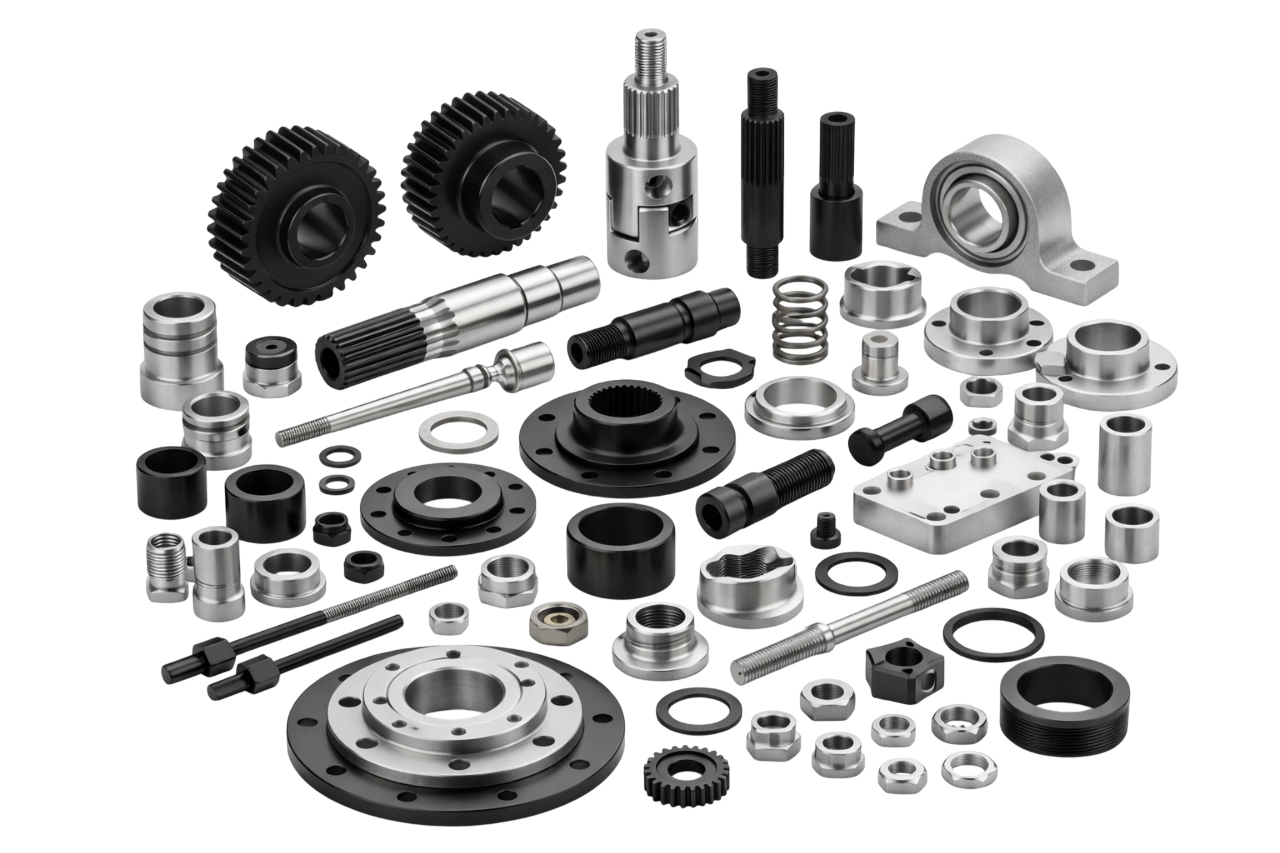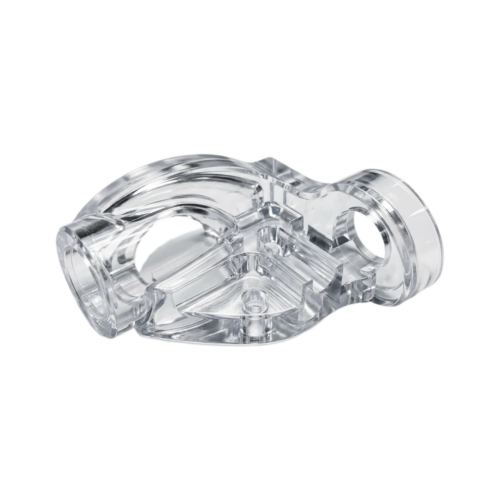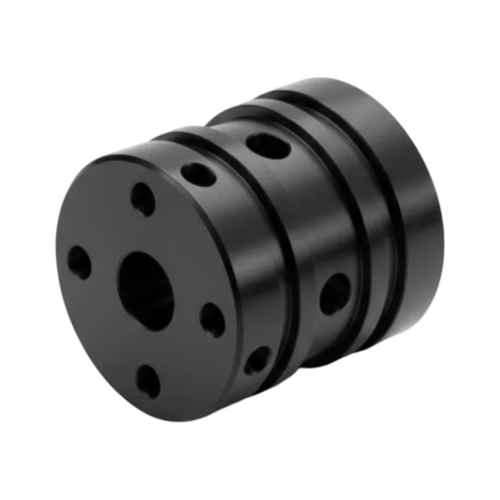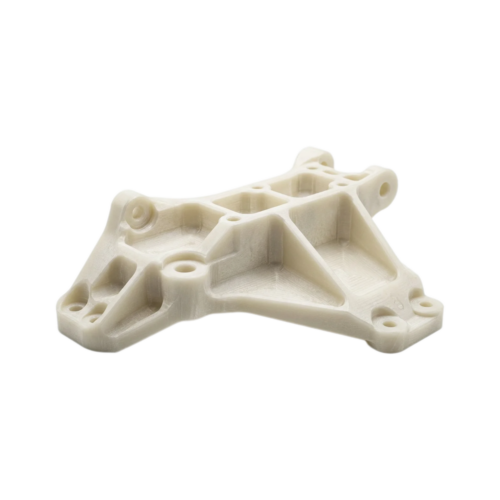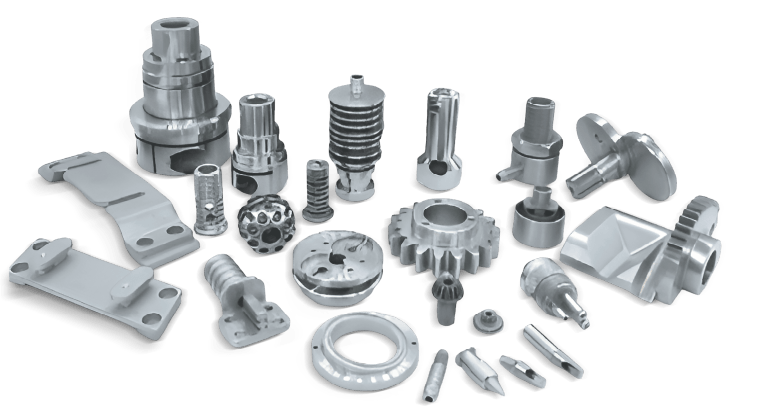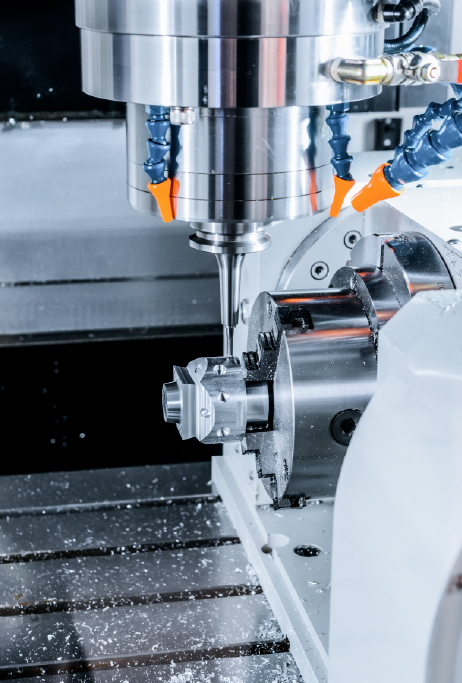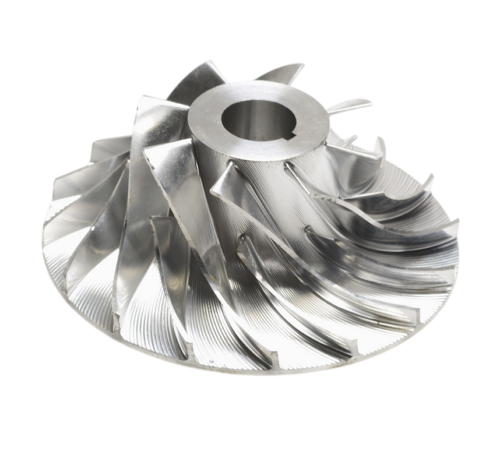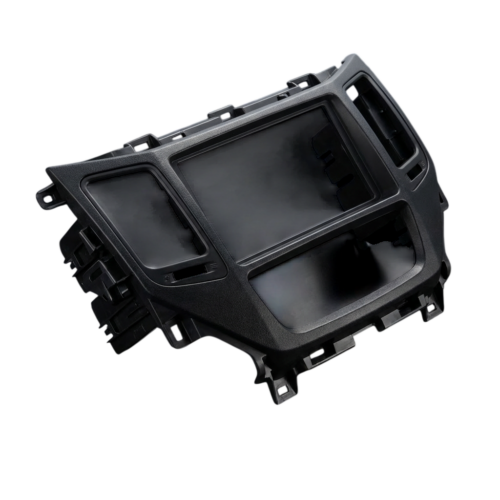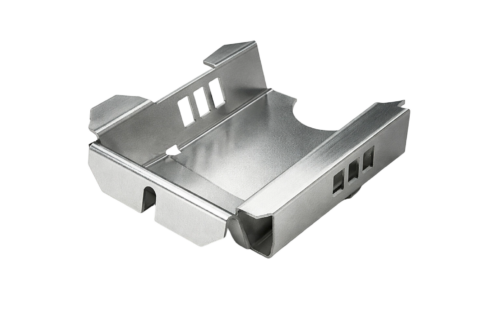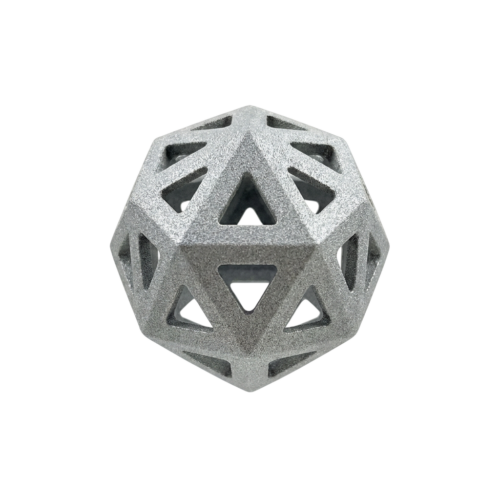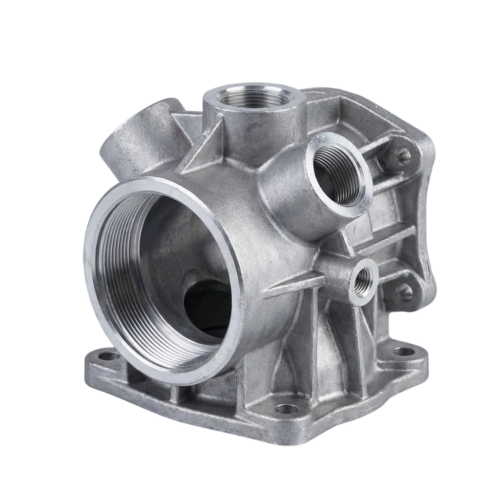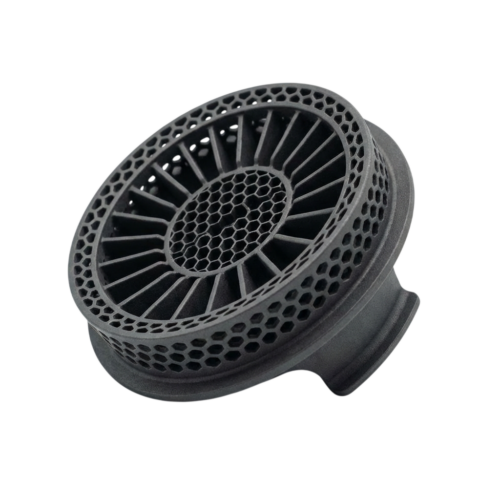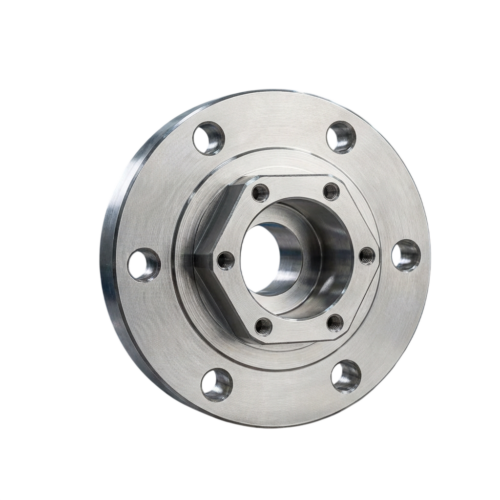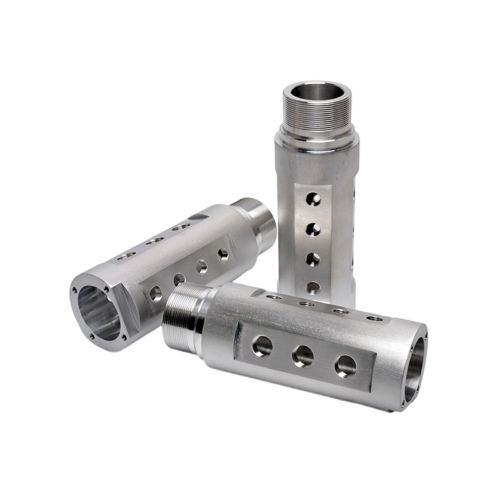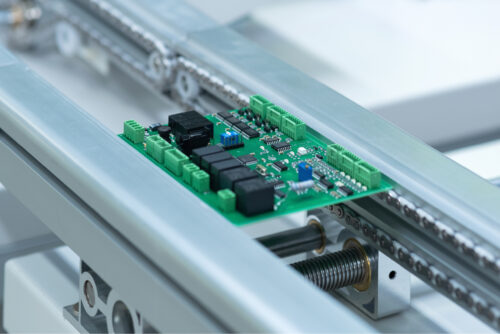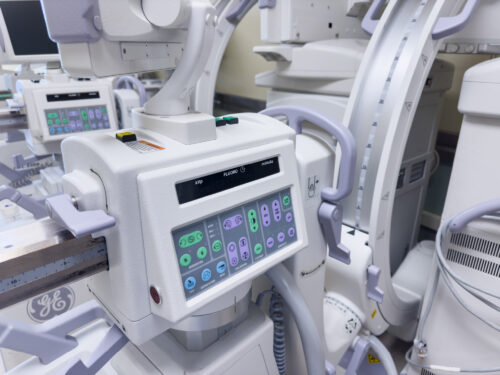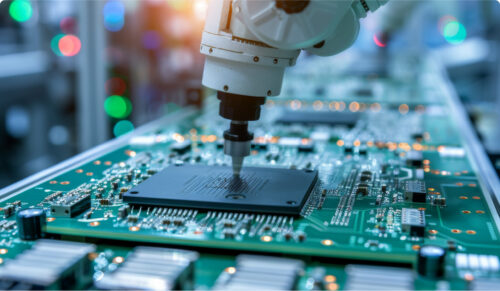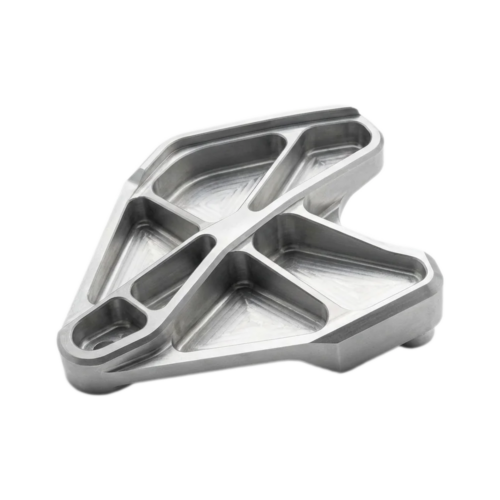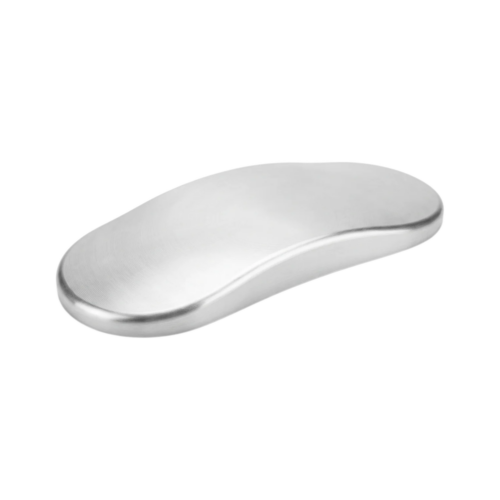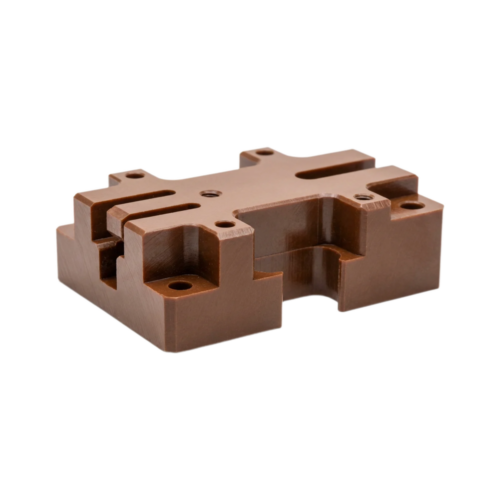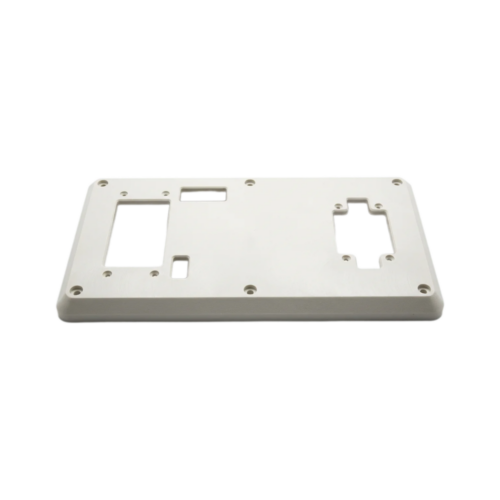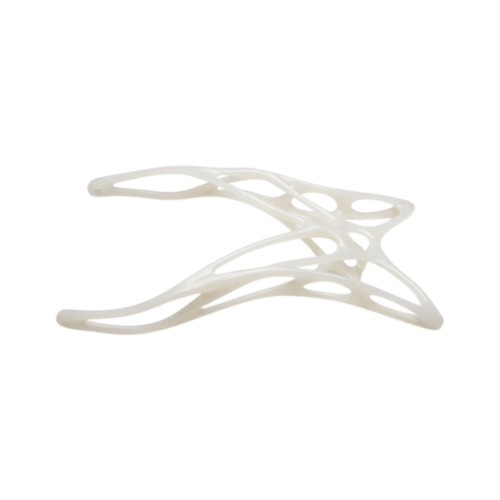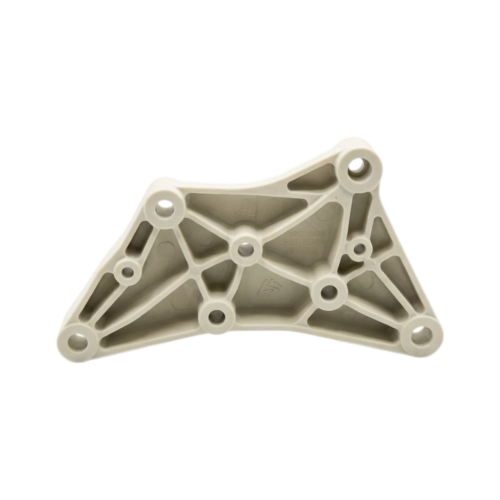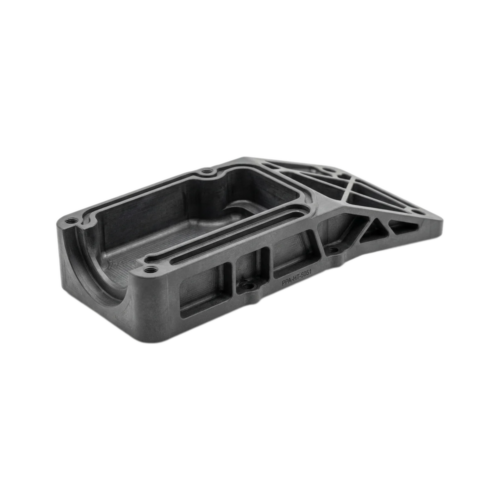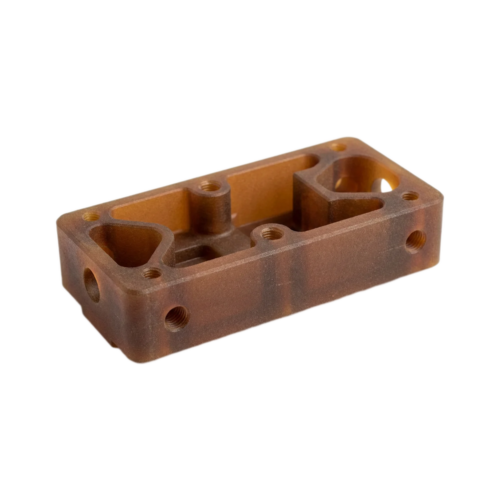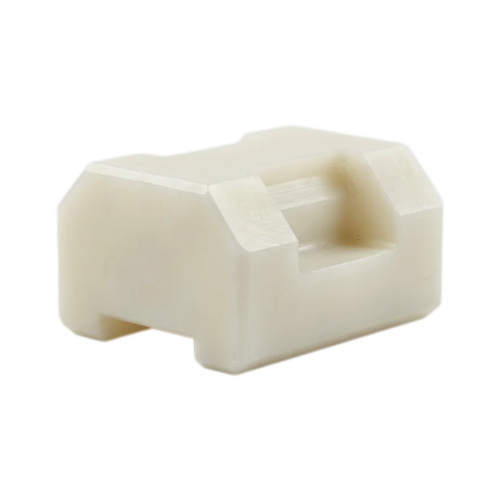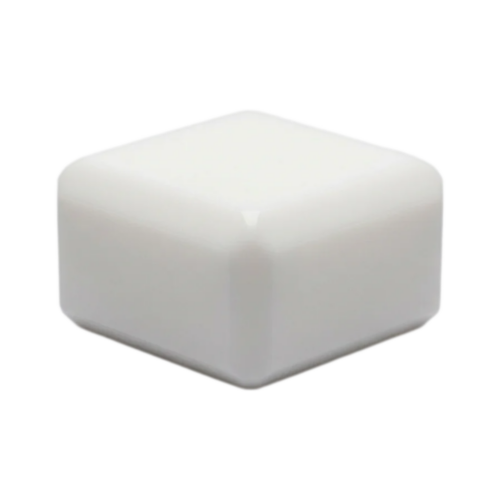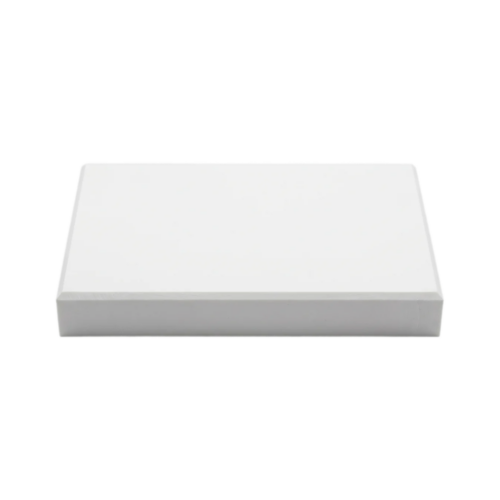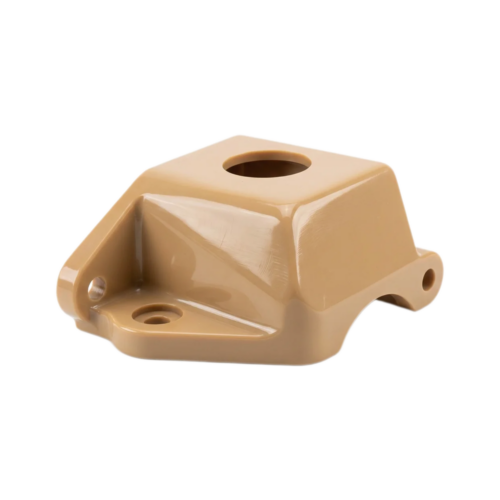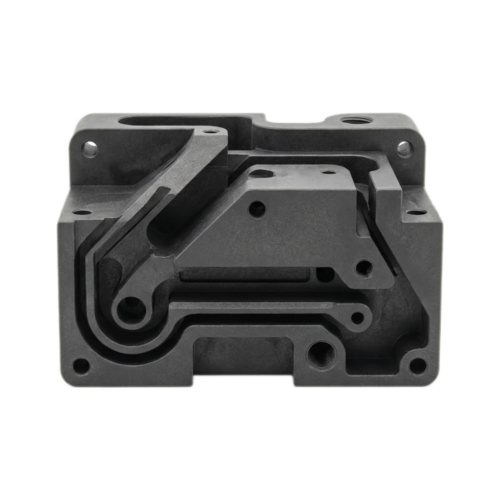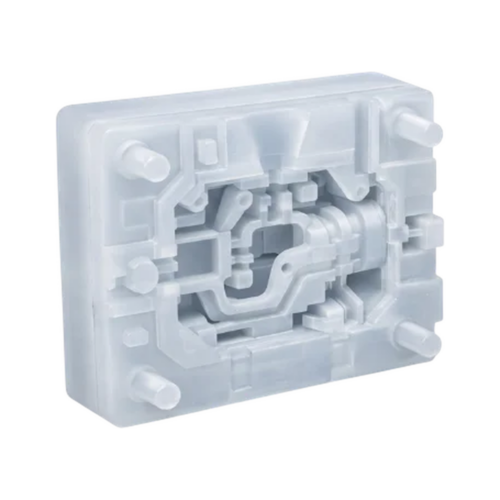

We offer a wide range of high-quality metals and plastics to meet the performance requirements of your CNC machining projects.

We support CNC machining across a wide range of metals and plastics, suitable for both prototyping and production.
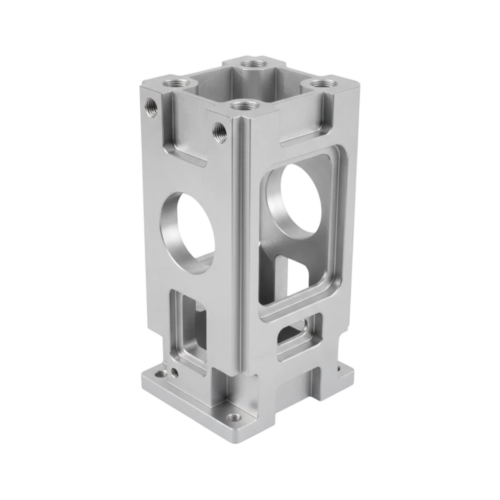
Aluminum
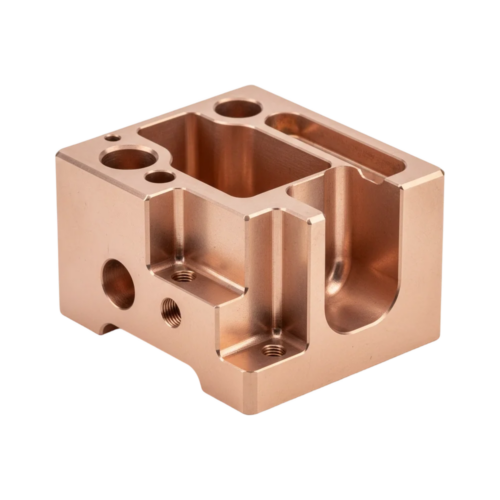
Copper
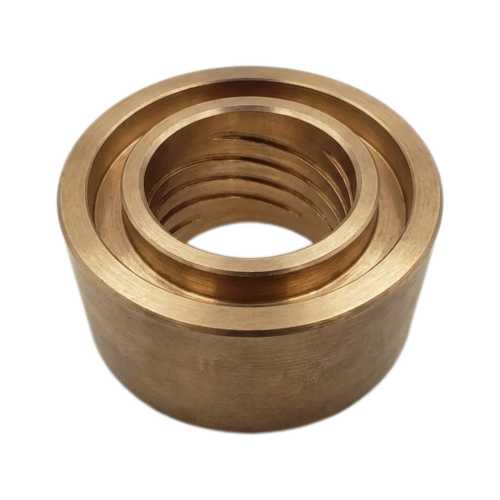
Bronze
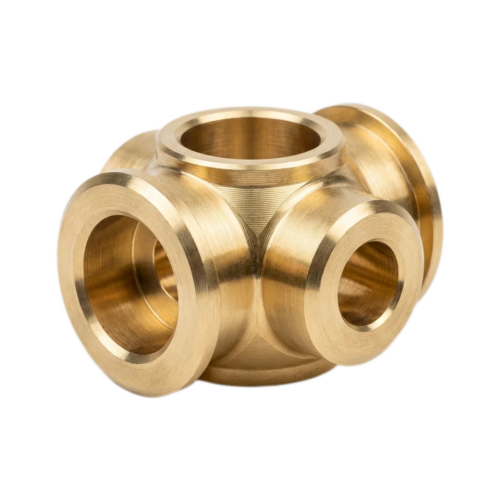
Brass
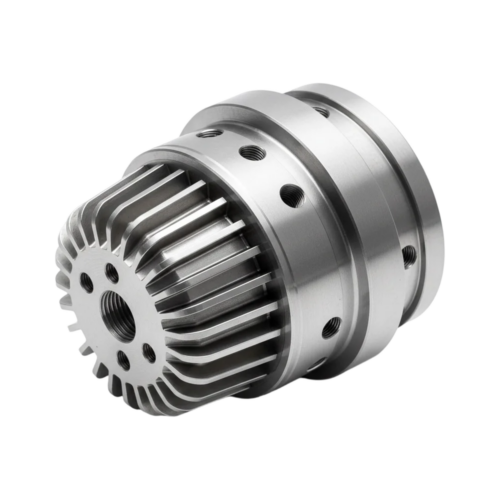
Steel
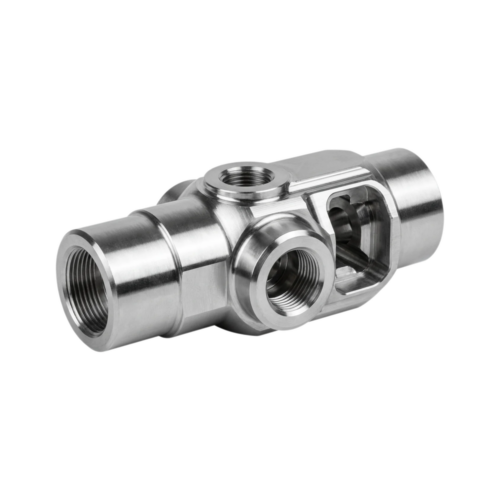
Stainless Steel
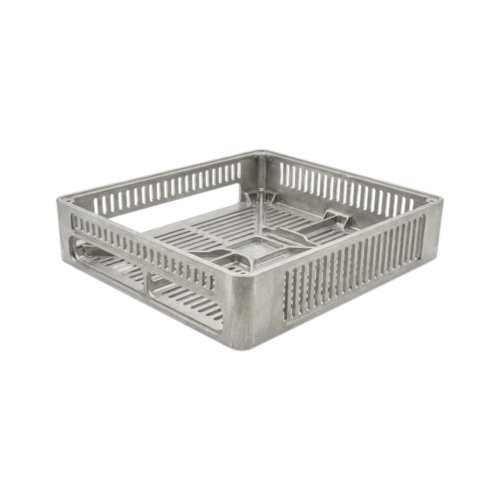
Magnesium
Titanium
Alloy 6061
Alloy 6063
Alloy 7075
Alloy 1100
ABS
PC
PMMA (Acrylic)
POM
PA (Nylon)
PE
PEEK
PP
HDPE
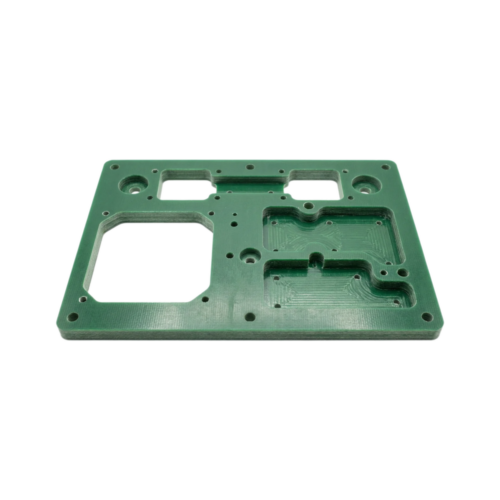
FR-4
Bakelite
HIPS
LDPE
PBT
PPA
PAI
UPE
PTFE (Teflon)
PVC
PS
PPS
PET
Soft Rubber
PU Resin
Epoxy Resin
Silicone
Aluminum is a lightweight, versatile metal widely used in CNC machining for structural and enclosure parts. It offers excellent machinability, good corrosion resistance, and a high strength-to-weight ratio suited for production and prototyping.

Used for engine brackets, housings, and body panels requiring lightweight strength.
Machined airframe parts and fittings where high strength-to-weight is critical.
Enclosures and heat spreaders offering EMI shielding and thermal management.
Copper is a versatile, high-conductivity metal widely used in CNC machining for electrical and thermal components. Its excellent ductility and corrosion resistance make it suitable for precision parts, fittings, and heat-transfer assemblies.

Used for high-conductivity contacts, terminals, and busbars requiring low resistance and tight tolerances.
Machined plates and fins exploit copper's superior thermal conductivity for efficient heat transfer.
Valves, fittings, and piping use copper for corrosion resistance and hygienic properties.
Bronze is a family of copper-based alloys, typically copper‑tin or copper‑aluminum, valued for wear resistance and corrosion performance. Its combination of low friction, good machinability, and strength makes it ideal for bearings, gears, marine fittings, and precision CNC components.

Used for low-friction bearings and bushings in rotating machinery due to wear resistance.
Common for propeller shafts, fasteners and fittings resisting seawater corrosion and galling.
Valves and trim use bronze for corrosion-resistant, low-friction seating and longevity.
Brass is a copper–zinc alloy prized for excellent machinability, conductivity, and corrosion resistance. It machines cleanly to tight tolerances and delivers an attractive finish for functional and aesthetic parts.

Used for valves, fittings, and fixtures because of corrosion resistance and formability.
Employed where conductivity and solderability are required in terminals and connectors.
Ideal for bearings, gears, and fasteners needing tight tolerances and smooth finishes.
Steel is a versatile, high-strength metal widely used in CNC machining and manufacturing. Alloy selection and heat treatment let you tailor hardness, toughness, and machinability to part requirements.

Used for chassis, gears, and suspension parts requiring strength and fatigue resistance.
Common for shafts, bearings, and frames subjected to heavy loads and wear.
Primary material for beams, columns, and reinforcements offering high structural integrity.
Stainless steel is a corrosion-resistant alloy family used for structural, hygienic, and precision components in industrial manufacturing. Grades vary in strength, heat tolerance, and machinability—select grade and tooling to optimize CNC performance.

Housings, valves and conveyors requiring sanitary, corrosion-resistant, easy-to-clean surfaces.
Prop shafts, fittings and fasteners resisting saltwater corrosion and biofouling.
Instruments, implants, and trays requiring biocompatibility and sterilization resistance.
Magnesium is the lightest structural metal, offering an excellent strength-to-weight ratio and fast machinability for CNC and casting processes. Common magnesium alloys provide good thermal conductivity and vibration damping but require corrosion protection and careful chip handling.

Used for structural brackets, housings, and instrument panels to reduce vehicle weight.
Lightweight enclosures and heat-sinking frames for laptops, cameras, and portable devices.
Interior components and non-critical structural parts where weight savings matter.
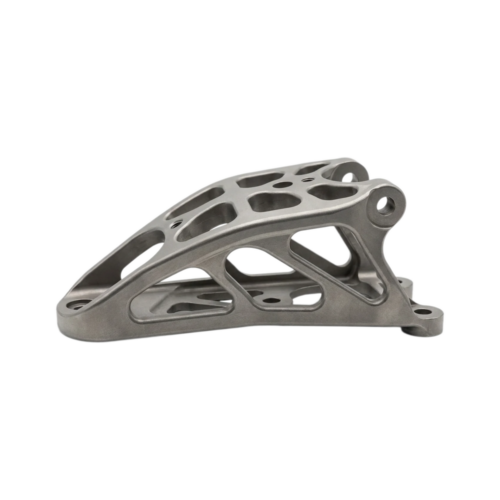
Titanium is a lightweight metal offering a superior strength-to-weight ratio and excellent corrosion resistance for demanding CNC-machined parts. It suits aerospace, medical, and industrial applications but requires optimized tooling and coolant control during machining.

Used for airframe fittings, actuators, and high-temperature components requiring low weight and high strength.
Preferred for implants and surgical instruments due to biocompatibility and corrosion resistance.
Used in corrosion-resistant fasteners, shafts, and heat exchangers for long service life.
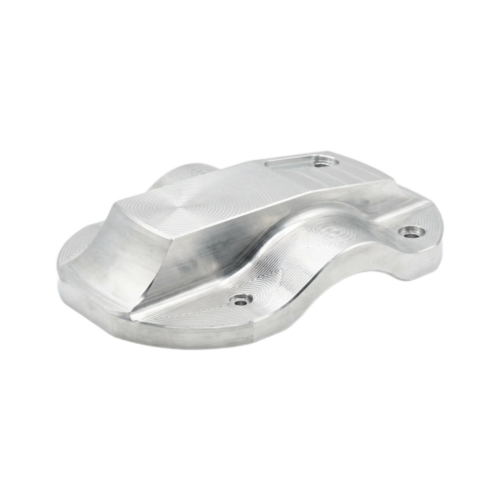
Alloy 6061 is a heat-treatable aluminum alloy commonly used for CNC machining and structural components. It balances strength, machinability, weldability, and corrosion resistance for precision manufactured parts.

Used for brackets, housings, and lightweight structural parts requiring precision machining.
Used in airframe fittings, ribs, and assemblies where strength-to-weight is critical.
Corrosion-resistant parts, fittings, and extrusions for saltwater exposure after proper finishing.
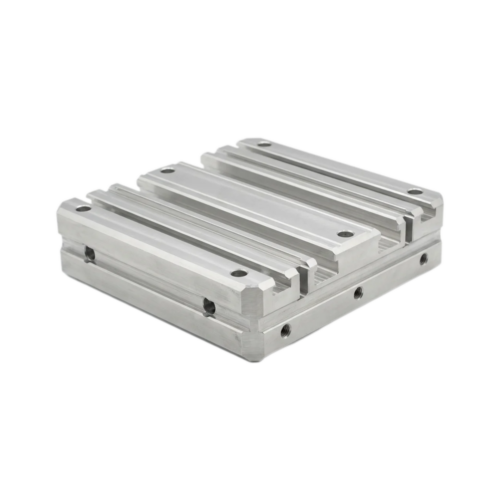
Alloy 6063 is an aluminum–magnesium–silicon alloy optimized for extrusion, offering excellent formability and a clean anodized finish. It provides moderate strength, good corrosion resistance and reliable weldability for architectural and light structural components.

Profiles for windows, doors and frames with excellent finish and corrosion resistance.
Lightweight exterior and interior trim with good finishability and corrosion protection.
Extruded fins and profiles where conductivity and formability are required.
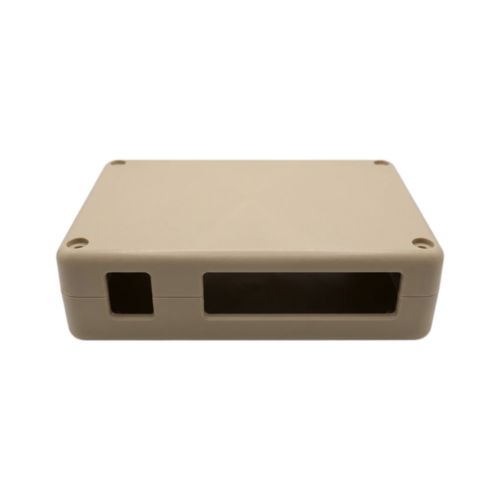
Alloy 7075 is a high-strength aluminum alloy widely used where maximum strength and low weight are required. It machines well with rigid setups and heat-treats to T6 for peak mechanical performance, making it ideal for precision CNC parts.

Used for wing fittings, bulkheads and high-stress structural components requiring high strength.
Common in firearm receivers, mounts and hardened parts where strength and fatigue resistance are critical.
Ideal for bicycle frames, climbing hardware and equipment needing lightweight strength.
Alloy 1100 is a commercially pure aluminum (≥99% Al) known for excellent corrosion resistance and exceptional formability. Its low strength limits structural use but makes it ideal for deep drawing, brazing, and thermal or electrical components.

Used for tanks, piping and fittings due to corrosion resistance and formability.
Common for cookware, utensils, and processing equipment where purity and corrosion resistance are required.
Employed in lightweight heat transfer fins and components; high thermal conductivity improves efficiency.
ABS (Acrylonitrile Butadiene Styrene) is a versatile engineering thermoplastic offering excellent toughness, impact resistance, and good machinability for prototyping and production parts. It machines cleanly with sharp tooling, accepts paints and adhesives, and is commonly used for housings, trims, and consumer components, with moderate heat and UV limitations.

Common for instrument housings and protective covers due to stiffness and finishability.
Used for trim, panels and vents where impact resistance and cost efficiency are required.
Ideal for functional prototypes and fit checks; easy to machine and modify.
Polycarbonate (PC) is an impact-resistant engineering thermoplastic with excellent optical clarity, used widely in molded and machined parts. It suits prototypes and production components where toughness, transparency, and dimensional stability are required.

Used for instrument panels, lenses, and trim requiring toughness and clarity.
Transparent impact-resistant windows and shields for signage and machine guards.
Insulators, connectors and housings needing dimensional stability and dielectric properties.
PMMA (acrylic) is a lightweight, rigid thermoplastic known for outstanding optical clarity and good weathering. It machines cleanly, polishes to a high gloss, and suits display, optical, and prototyping applications.

Used for illuminated sign faces and retail displays due to clarity and light diffusion.
Precision lenses, light guides, and covers where high transmission and low distortion are required.
Rapid prototyping and functional prototypes benefiting from easy machining and finishing.
POM (polyoxymethylene) is a high-performance engineering thermoplastic known for stiffness, low friction, and excellent dimensional stability for machined parts. It offers superior machinability and wear resistance for precision components used in industrial and consumer applications.

Used for high precision, low friction gears in assemblies requiring tight dimensional control.
Machined bushings and sliding bearings provide low wear and consistent running surfaces.
Ideal for lightweight, low lubrication components in diagnostic devices and surgical tools.
PA (Nylon) is a versatile engineering thermoplastic known for toughness, low friction, and excellent wear resistance. It suits CNC machining and injection molding for structural and bearing components but is hygroscopic, so plan for moisture-related dimensional changes.

Used for low friction, wear resistant gears, bushings, and splines in light-duty transmissions.
Insulating housings and connectors benefit from nylon's dielectric properties and toughness.
Seals, impellers, and wear rings use nylon for chemical resistance and abrasion durability.
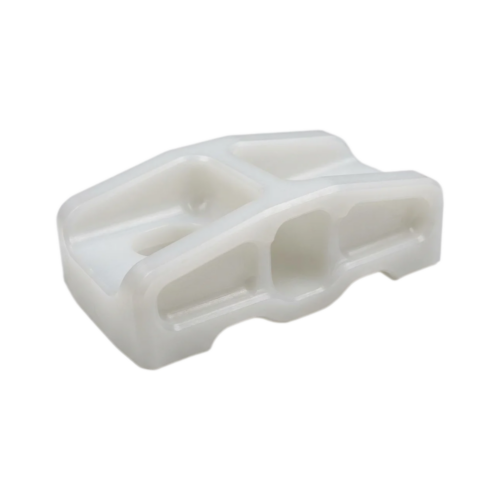
PE (polyethylene) is a versatile thermoplastic used for molded parts and machined components, available in LDPE, HDPE and UHMW grades. It delivers low friction, excellent chemical resistance and high impact strength for a wide range of manufacturing applications.

Used for low-friction rollers, guides and wear strips in material handling systems.
UHMW and HDPE provide durable, low-friction bearing surfaces and wear pads.
LDPE and HDPE used for hygienic, moisture-resistant packaging and containers.
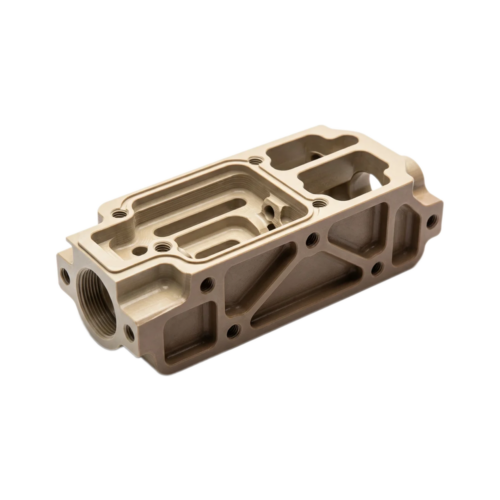
PEEK (polyether ether ketone) is a high-performance semicrystalline thermoplastic with exceptional mechanical, thermal, and chemical properties. It offers dimensional stability and low wear for precision CNC machining and demanding manufacturing applications.

Used for bearings, seals, and structural components in high-temperature aerospace environments.
Ideal for sterilizable implants, instrument components and connectors needing biocompatibility.
Common in gears, bushings, and valve parts resisting wear and chemicals.
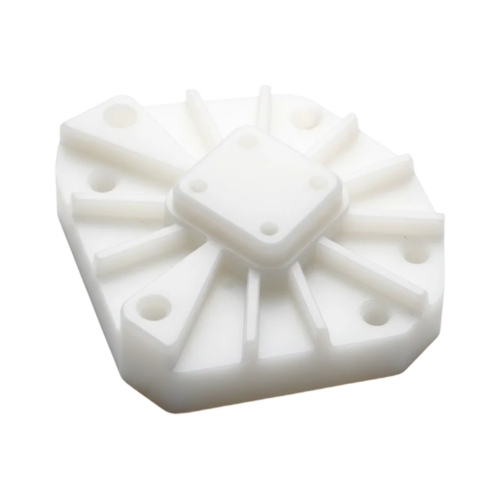
PP (polypropylene) is a semi-crystalline thermoplastic widely used for CNC machining and injection molding. It combines low density, excellent chemical resistance, low moisture uptake, and good fatigue performance for cost-effective, high-volume parts.

Used for rigid and flexible packaging with lightweight, chemical-resistant properties.
Machined and molded for corrosion-resistant fluid storage and fittings.
Used in trim, panels, clips and non-structural components.
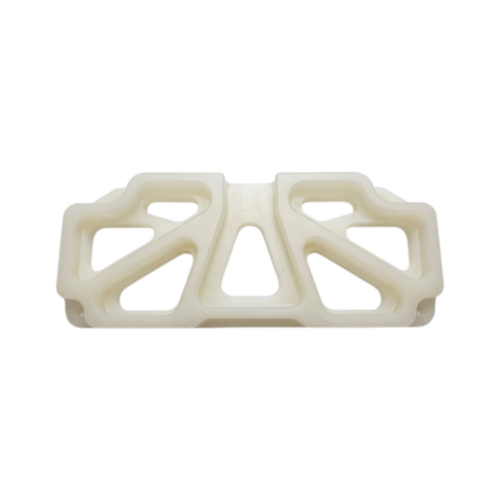
HDPE (high-density polyethylene) is a versatile thermoplastic commonly used for CNC machining, molding, and fabricated industrial parts. It provides excellent chemical resistance, low moisture uptake, high impact strength, and straightforward machinability for durable components.

Corrosion-resistant storage and linings for aggressive chemicals and solvent handling.
Safe contact surfaces, conveyors and cutting boards with excellent washdown resistance.
Used for fendering, deck fittings, and wear pads resisting saltwater degradation.
FR-4 is a glass-reinforced epoxy laminate commonly used as a rigid PCB substrate and electrical insulator. It provides reliable dielectric performance, good mechanical strength, flame retardancy, and is readily machinable for routing and drilling.

Standard substrate for rigid PCBs, providing insulation, mechanical support, and controlled dielectric properties.
Used for spacers, standoffs, and terminal blocks requiring electrical isolation and mechanical rigidity.
Low-cost, rigid material for CNC fixtures, drilling templates, and prototype tooling.
Bakelite is a thermosetting phenolic resin valued for heat resistance, electrical insulation, and dimensional stability. It is commonly supplied as molded parts, sheets, and machinable blanks; machining requires sharp tooling and conservative feeds due to brittleness.

Used for insulators and terminal blocks requiring high dielectric strength.
Common for switch plates and housings where heat resistance and isolation are needed.
Used for low-speed bearings, bushings and washers with good compressive strength.
High Impact Polystyrene (HIPS) is a low-cost, easily fabricated thermoplastic with improved impact resistance compared to general polystyrene. It machines cleanly, thermoforms and injection molds well, and accepts paints, adhesives and printing for production parts and prototypes.

Used for refrigerator linings, interior panels and non-structural components.
Common in thermoformed point-of-sale displays and signage due to low cost and easy finishing.
Rapid prototypes and concept models accept machining, painting and adhesive bonding.
LDPE (low-density polyethylene) is a flexible, low-density thermoplastic with excellent chemical resistance and impact toughness. Commonly processed by extrusion, blow and injection molding, LDPE can also be CNC routed or fabricated for lightweight, corrosion-resistant components.

Used for flexible film and bags with reliable moisture barrier properties.
Chemical resistant tubing for low pressure fluid transfer and protective conduit.
Compressible, chemically resistant gaskets and seals for enclosures and joints.
PBT (polybutylene terephthalate) is a semi-crystalline engineering thermoplastic offering excellent dimensional stability, mechanical strength, and electrical insulation. It molds and machines well, with glass-filled and flame-retardant grades available for heat-resistant automotive, electrical, and consumer components.

Used for insulated connectors and terminals thanks to flame retardancy and dielectric strength.
Valve bodies, sensor housings, and exterior trims with heat and chemical resistance.
Motor mounts, switches, and handles combining stiffness with cosmetic finish.
Polyphthalamide (PPA) is a high-performance engineering thermoplastic with superior heat, chemical and oil resistance compared with standard nylons. It supports precision injection molding and CNC machining while maintaining dimensional stability and long-term strength.

Used for high-temperature connectors, sensor housings, and under‑hood parts needing chemical resistance.
Provides dielectric strength and dimensional stability in compact, high-temperature connector housings.
Ideal for gears, valve components, and pump parts exposed to heat and chemicals.
Polyamide-imide (PAI) is an ultra-high-performance thermoplastic that delivers exceptional mechanical strength, stiffness and wear resistance at elevated temperatures. It machines well and retains dimensional stability for precision components that require continuous service up to approximately 260°C.

Used for high-temperature structural and electrical parts with strict weight and tolerance demands.
Machined bearing and wear-ring parts that run at high loads and temperatures.
Seals, seats and valve parts resistant to chemicals and sustained heat.
UPE (ultra-high molecular weight polyethylene) is a tough, low-friction engineering plastic used for wear-resistant parts and low-noise components. It machines well with sharp tooling and offers excellent abrasion, chemical resistance, and impact performance for industrial applications.

Used for wear strips, guides, and sliders on high-abrasion conveyors.
Low-friction bushings and bearings for dry-running, maintenance-free applications.
Corrosion-resistant components, fender pads, and chafe guards in saltwater environments.
PTFE (Teflon) is a high-performance fluoropolymer prized for ultra-low friction, wide temperature stability, and outstanding chemical resistance. It is commonly CNC-machined into seals, bearings, electrical insulators, and corrosion-resistant components; filled grades improve wear and dimensional stability.

Common for static and dynamic seals due to chemical resistance and low friction.
Serves as low-friction bearing material in sliding assemblies, reducing wear under light loads.
Liners and corrosion-resistant components for tanks, pipes, and processing equipment.
Polyvinyl chloride (PVC) is a versatile thermoplastic available in rigid and flexible grades, offering strong chemical resistance, flame retardancy, and good dimensional stability. It machines well with standard tooling, bonds and welds readily, and provides a cost-effective option for piping, jacketing, and fabricated components.

Common in chemical-resistant piping and ductwork; easy to glue and weld.
Used for wire and cable insulation and jacketing due to dielectric and flame properties.
Sheet stock machined for signs, displays, and thermoformed components.
Polystyrene (PS) is an amorphous, low-cost thermoplastic commonly used for injection molding, thermoforming, and prototyping. It provides excellent surface finish and dimensional stability, with limited heat and chemical resistance.

Used for disposable food trays, clamshells and protective packaging with clear or opaque grades.
Common in toys, household items and cosmetic components requiring good finish.
Rapid prototyping and display models due to easy machining and finishing.
Polyphenylene sulfide (PPS) is a high-performance semicrystalline thermoplastic offering excellent thermal, chemical, and dimensional stability for demanding applications. It is widely used in injection molding and can be CNC machined from rod or plate for precision prototypes and low-volume parts.

Used for manifolds, valve components, and sensor housings exposed to heat and chemicals.
Provides insulating, flame-retardant connector housings and terminal insulators.
Ideal for chemically resistant impellers, seals, and valve components.
Polyethylene terephthalate (PET) is a semi-crystalline engineering thermoplastic offering high stiffness, dimensional stability, and strong chemical resistance. It is widely used in injection molding, extrusion, and CNC machining for structural, electrical, and food-contact components.

Used for FDA-compliant containers and components requiring clarity and chemical resistance.
Machined insulators and connectors with stable dielectric properties.
Durable gears, bushings and wear parts for low-friction applications.
Soft Rubber is a flexible elastomer used for seals, vibration damping, and protective components across industries. Available in a broad range of durometers, it suits molding and CNC machining for prototypes and production parts.

Flexible seals for static and dynamic sealing in fluid and pneumatic systems.
Isolators and bumpers that reduce transmitted vibration and shock in assemblies.
Soft pads and feet preventing abrasion and protecting surfaces in equipment.
PU Resin (polyurethane resin) is the most widely used material for vacuum casting, offering flexible formulation options from soft, rubber-like parts to rigid grades that simulate ABS or PC. It supports cosmetic prototypes and low-volume production with good surface finish, plus options for clear, high-temperature, and flame-retardant requirements.

Rigid PU grades for enclosures, covers, and structural prototype parts with production-like feel.
Rigid PU for housings, covers, brackets, and functional prototypes requiring stiffness.
Rigid PU parts for fit, assembly validation, and durable prototype use.
Epoxy Resin (EP) is a rigid thermoset resin used for casting and prototyping parts that require high strength, dimensional stability, and reliable electrical insulation. It can be supplied in high-strength, clear, and high-temperature formulations, with post-curing options to improve performance for functional prototypes and low-volume production components.

Used for rigid enclosures, protective covers, and prototype shells requiring stability and strength.
Insulating blocks, spacers, and components needing dielectric performance and thermal stability.
Transparent covers, viewing windows, and demo parts where clarity and surface finish matter.
Silicone (addition-cure, platinum-cure) is primarily used to make flexible, high-accuracy molds for vacuum casting and prototype replication. It features low shrinkage, good tear strength, and easy release, enabling reliable reproduction of complex geometries and fine surface details across multiple casting cycles.
Flexible molds for small-batch polyurethane resin parts with fine details and stable dimensions.
Low-cost tooling for repeating prototype parts without hard tooling, ideal for iteration and design verification.
Soft inserts and support fixtures used for delicate parts, reducing scratch risk during handling or assembly.
Choosing the right material is essential for achieving the required strength and performance in CNC machining. Below are common questions our customers ask when selecting metals or plastics for their projects.