
CNC Manufacturing Surface Finishes

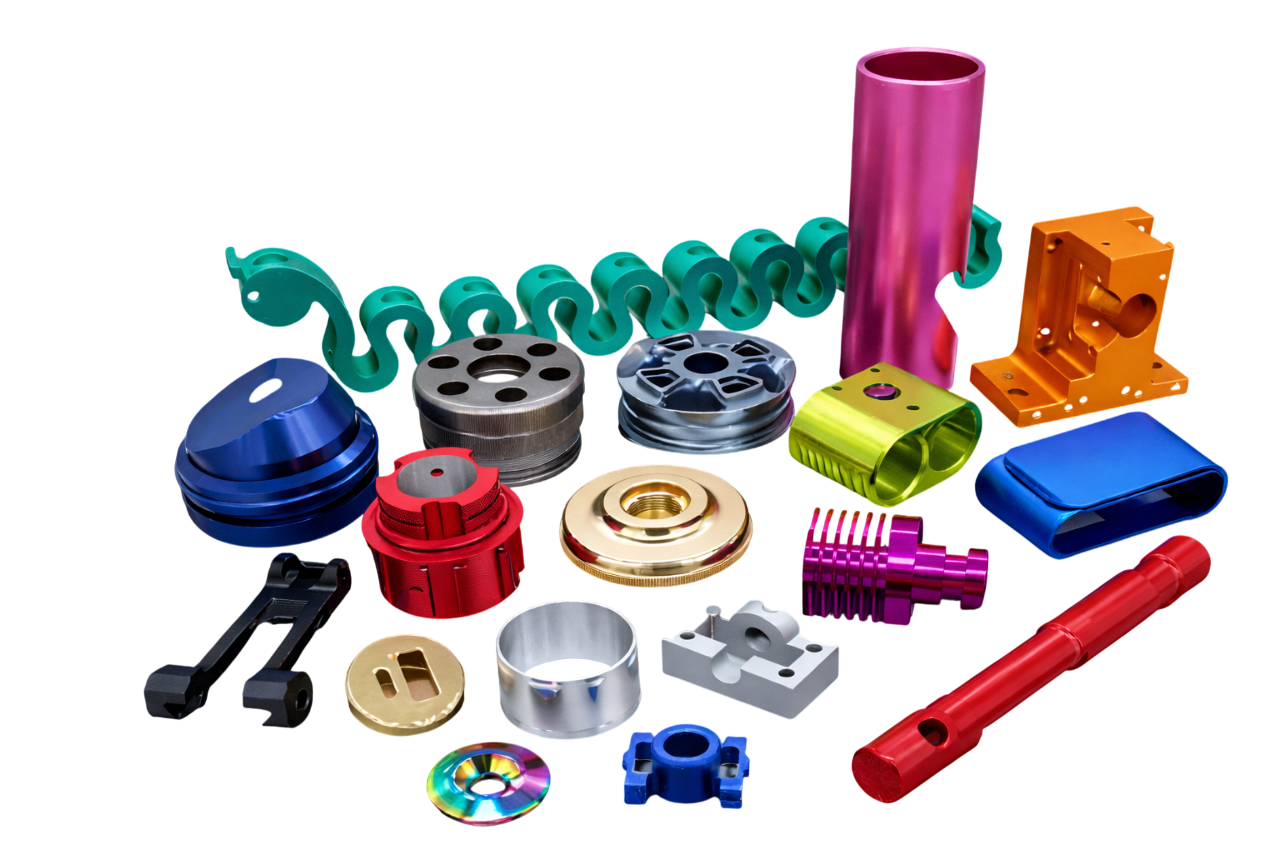
Surface finishing plays a critical role in how machined components perform and look. With the right process matched to the material and application, CNC parts gain better wear resistance, more uniform texture, and the cosmetic quality each project calls for.
Surface finish

Surface Finishing for Custom Parts

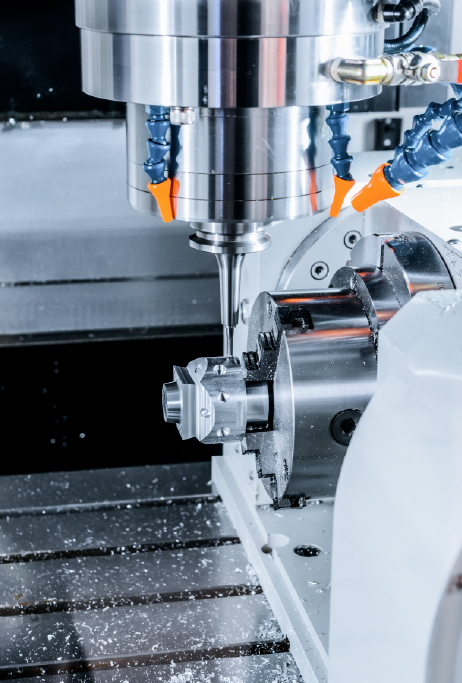
Finishing operations are applied after machining to refine part surfaces beyond their raw cut state. They reduce visible tool marks, improve corrosion protection, friction behavior, and coating adhesion. The right choice depends on material, geometry, and how the part will be used — across CNC machining, sheet metal, casting, and molded components.
  • As Machined

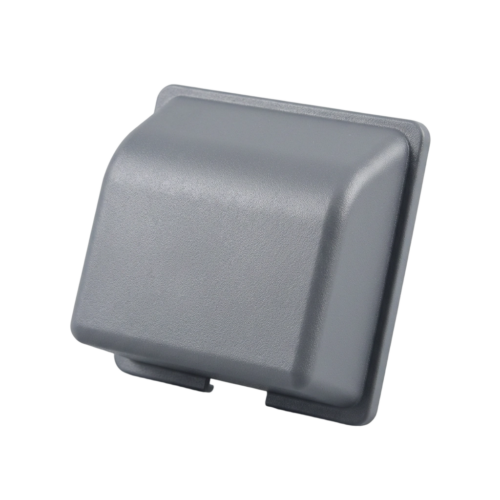
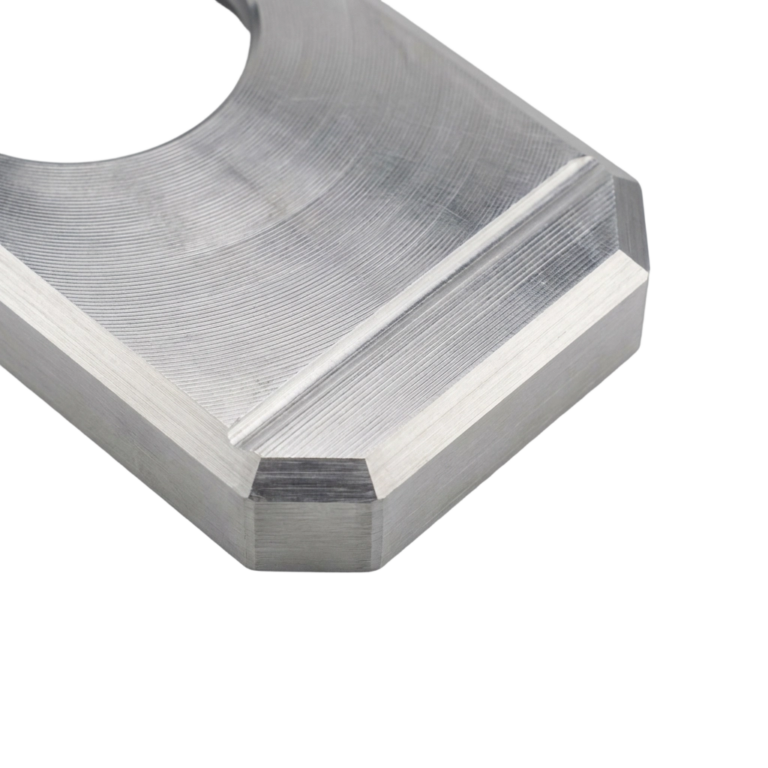
    The as-machined surface is the part as it leaves the machine, with edges cleaned and burrs removed but visible tool marks remaining — typically Ra 1.6–3.2 µm. Chosen when dimensional accuracy and cost matter more than cosmetics.
  • Anodizing
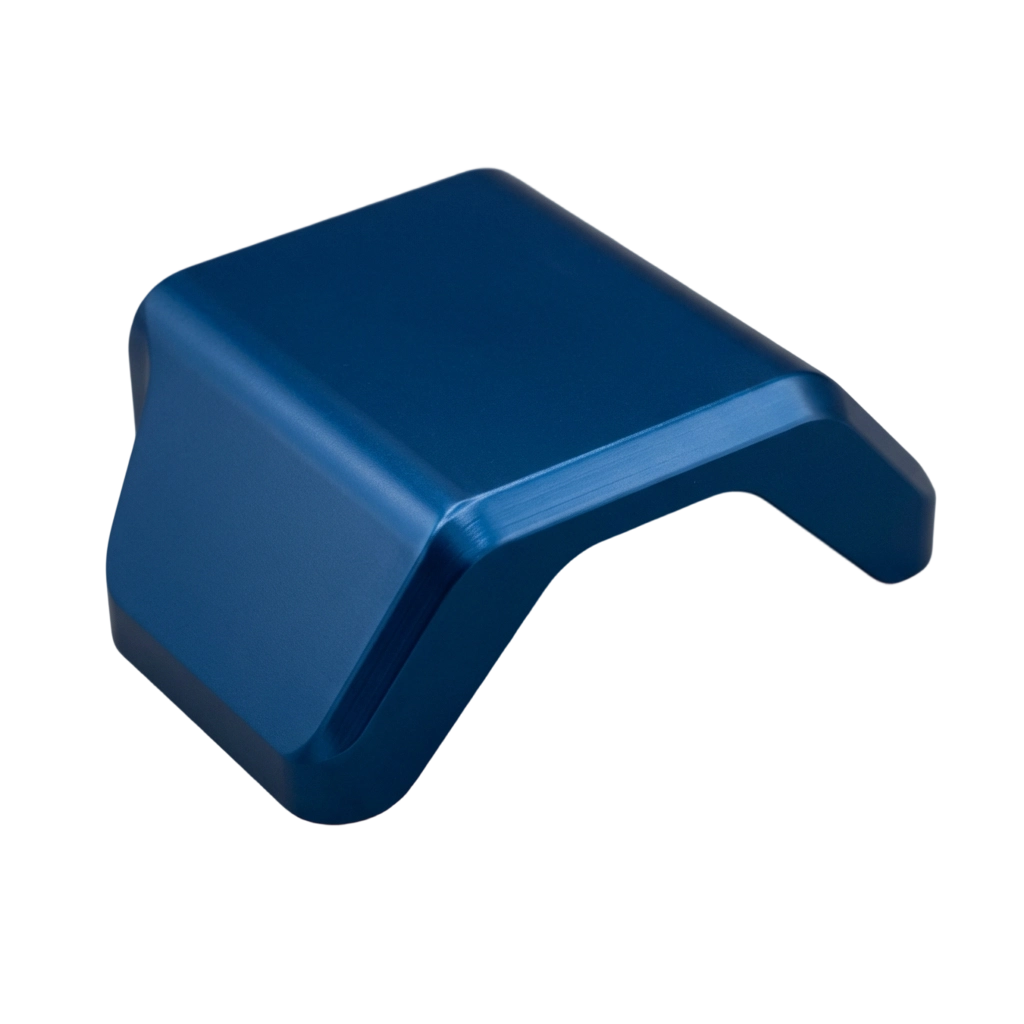
    Anodizing converts the aluminum surface into a controlled oxide film, improving corrosion and wear resistance. The porous film also accepts dye, so parts can be color-coded or matched to a product design.
  • Polishing
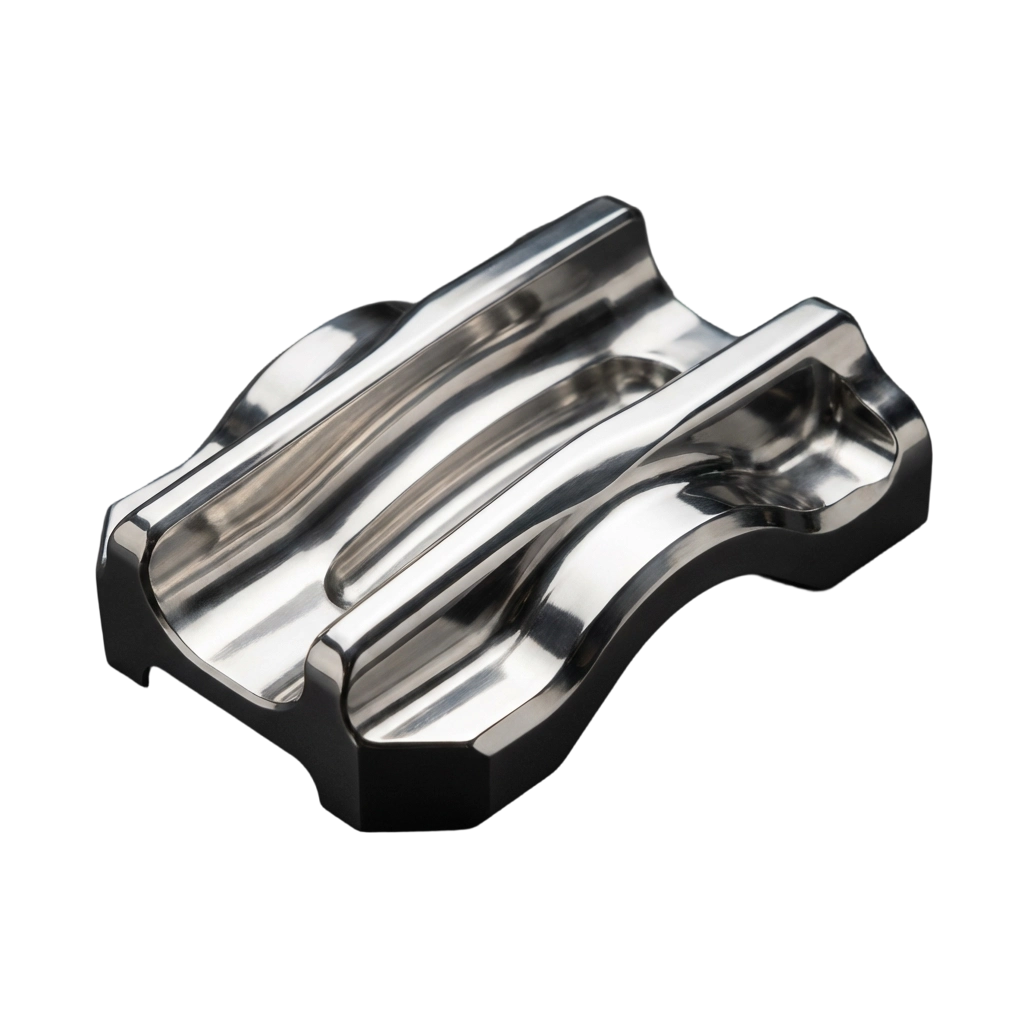
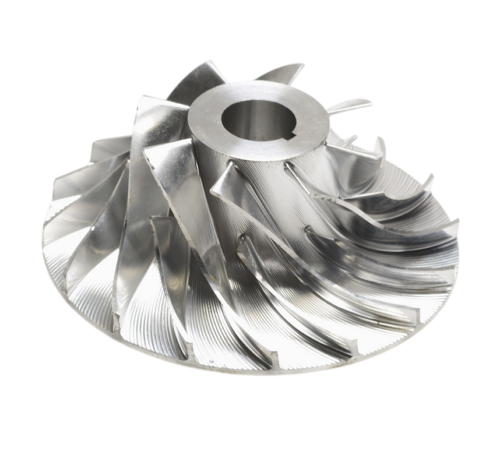
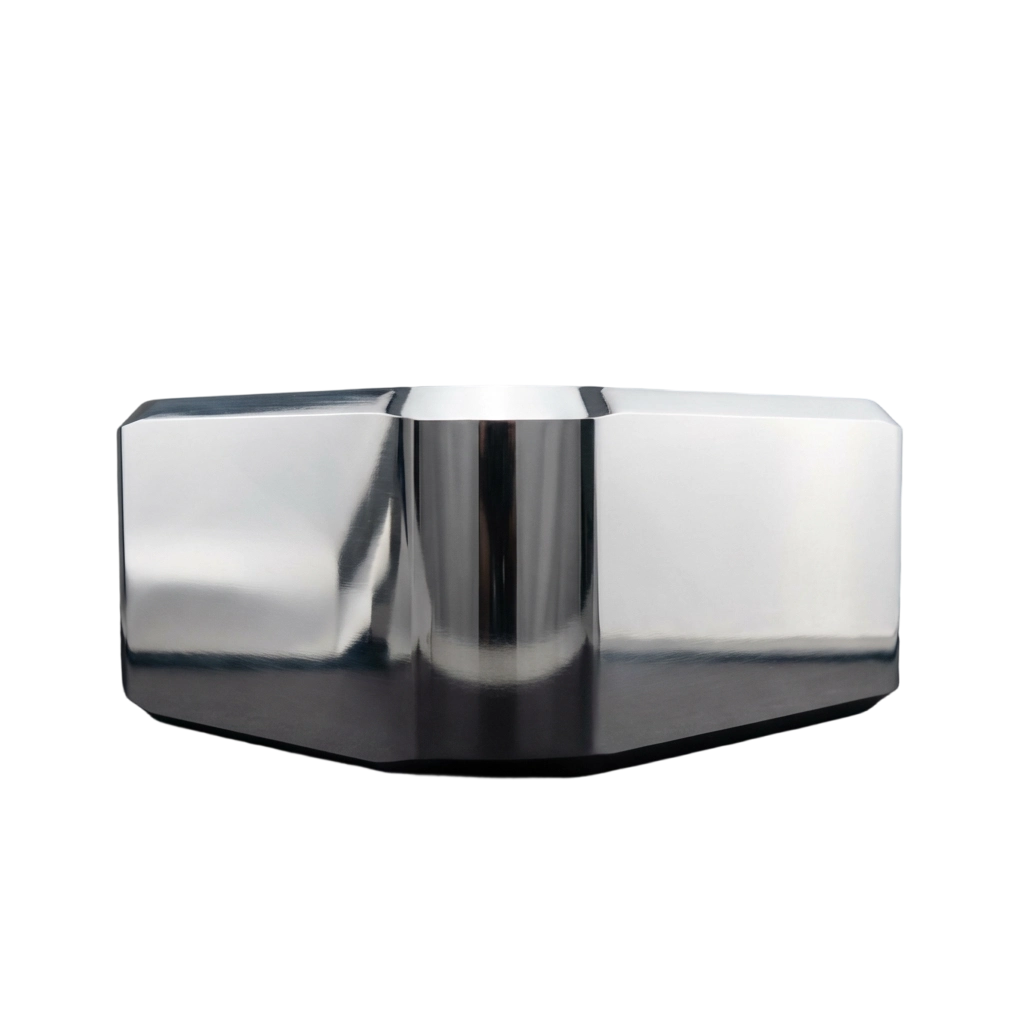
    Mechanical smoothing reduces roughness and removes minor defects, bringing Ra down to a bright, reflective level. Typically selected when a clean appearance or a smooth mating surface is required.
  • Sand Blasting
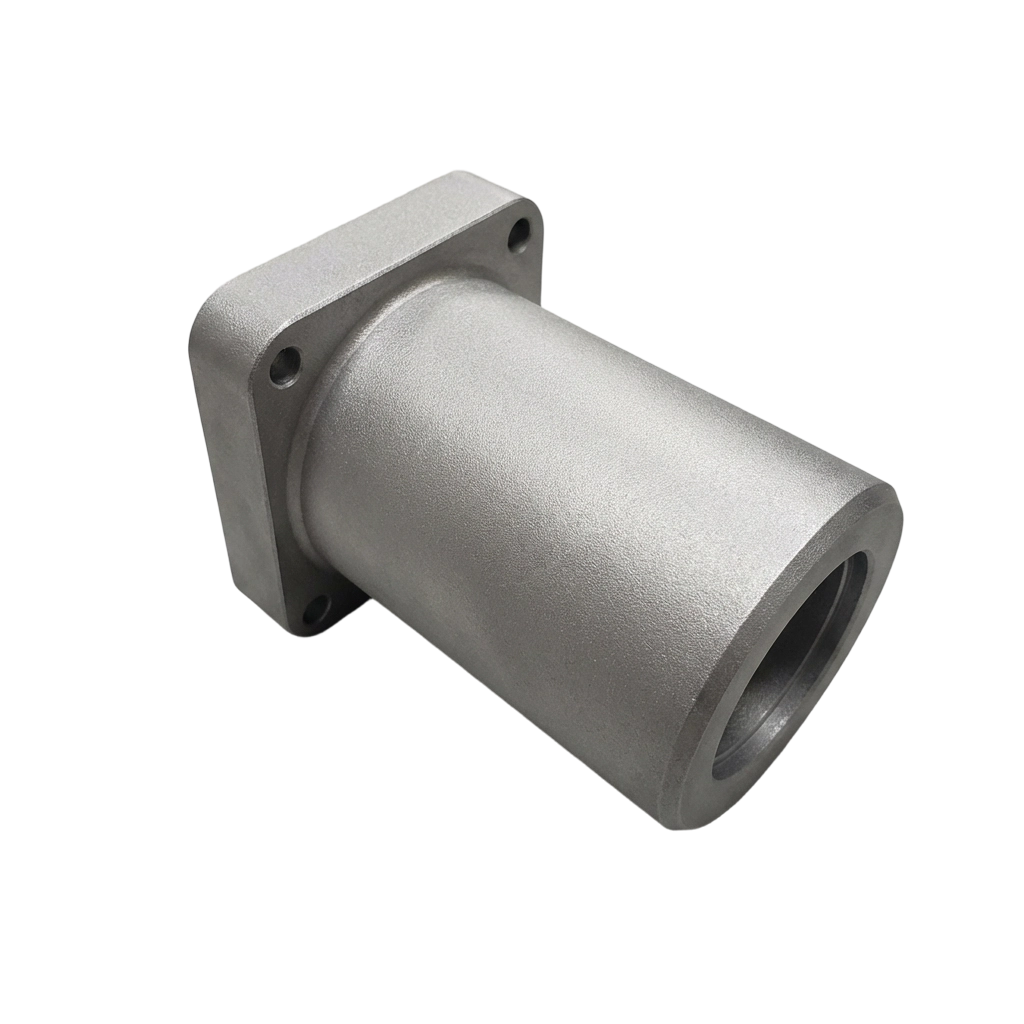
    Abrasive media impacts the part to produce an even, non-reflective surface texture. Widely used to strip residues, unify appearance after machining, or prepare parts for anodizing, painting, or coating.
  • Tumbling
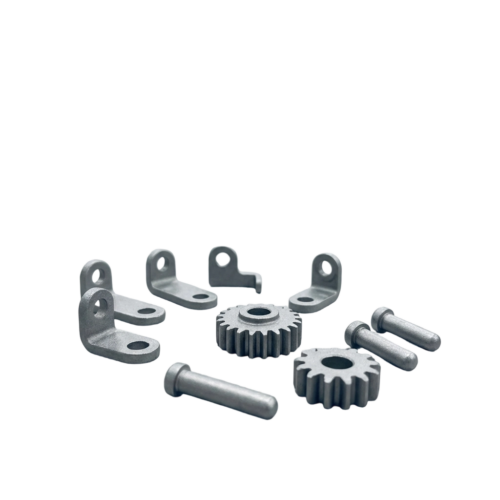
    Parts run against abrasive media in continuous motion, softening sharp edges and evening out the surface on every face at once. Well suited to small components produced in volume.
  • Electropolish
    Controlled electrochemical action removes a thin metal layer, smoothing micro-irregularities on the surface and raising corrosion resistance. Common for stainless parts in medical, food, and vacuum applications.
  • Alodine
    A chemical conversion coating forms a thin protective film on aluminum. Adds corrosion protection with almost no dimensional change and leaves the part ready for paint — a common aerospace specification.
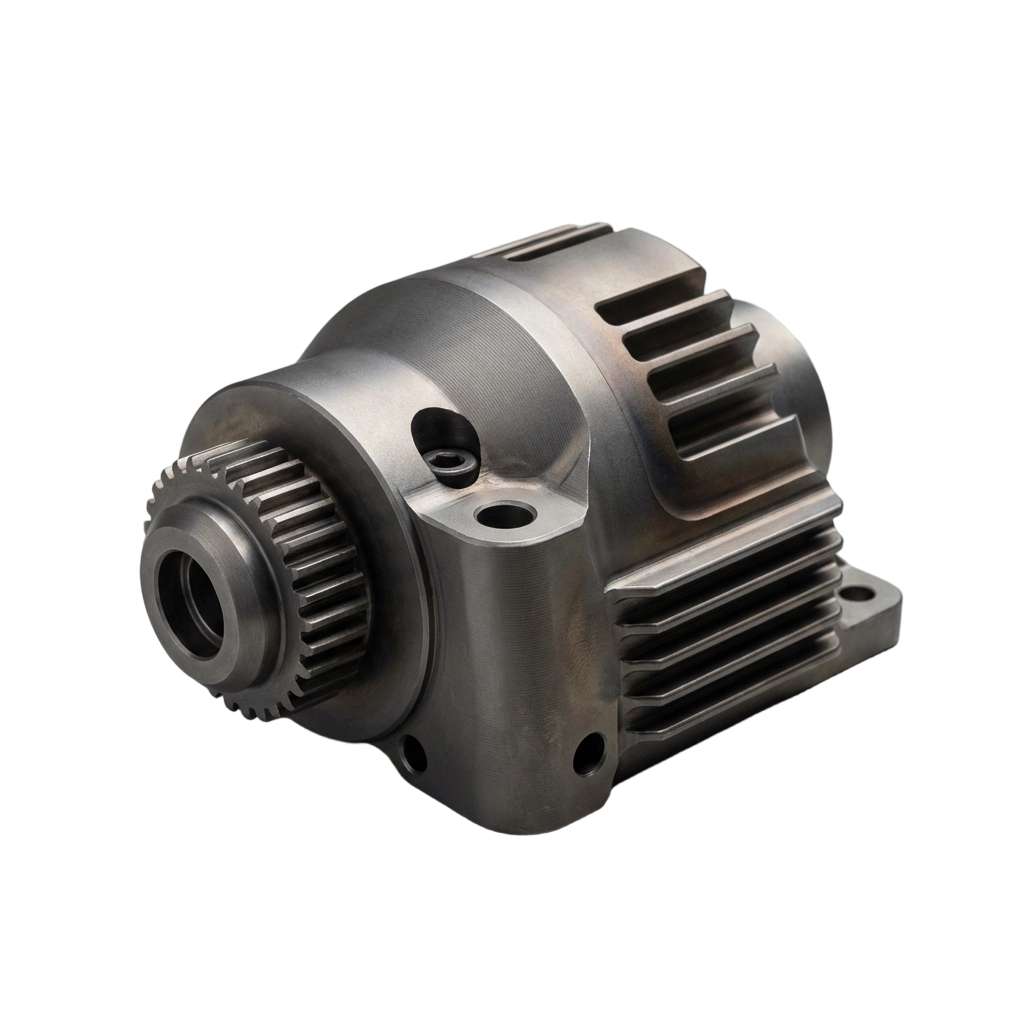
  • Heat Treatment
    Precise thermal cycles change the internal structure of the metal to reach a target hardness, strength, or toughness. Applied before finishing when the part must carry load or resist wear.
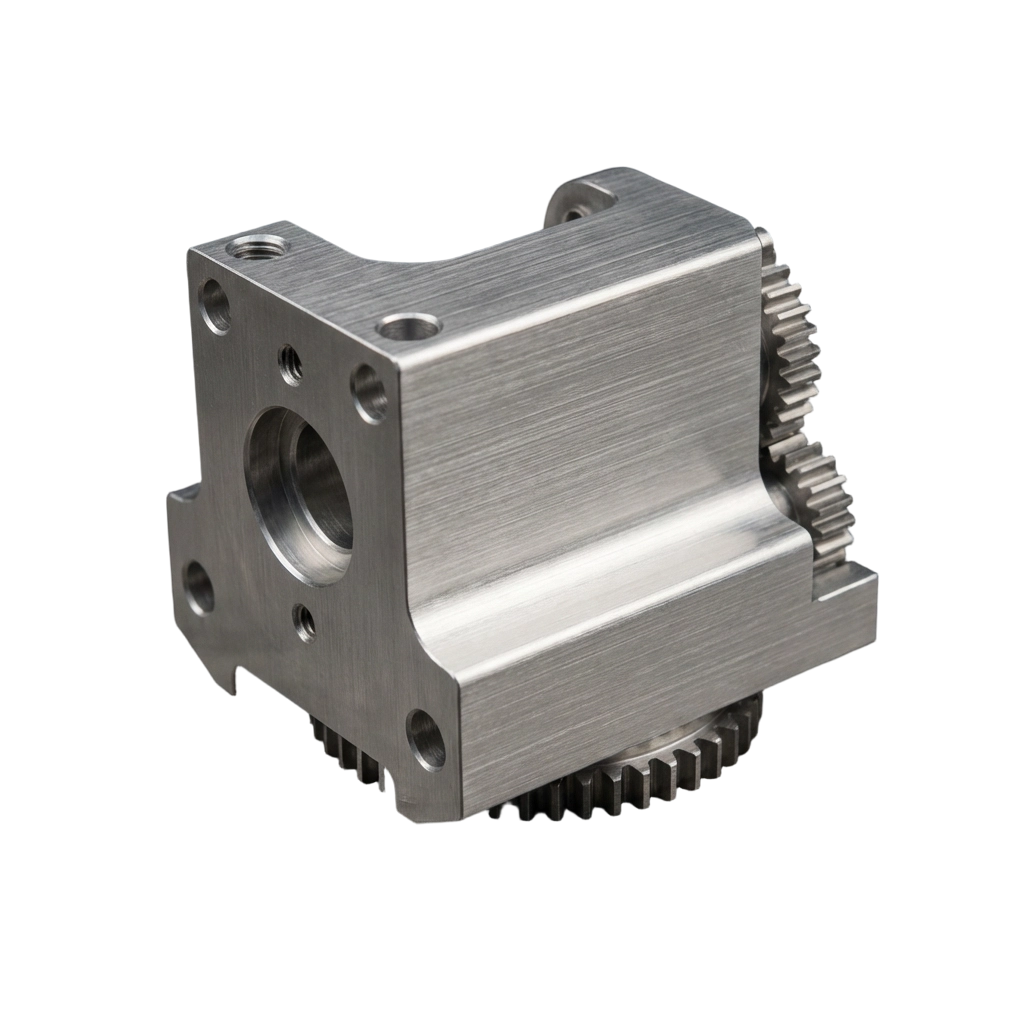
  • Brushed Finish
    Abrasive belts or pads create a consistent directional grain on the surface. The uniform lines hide random scratches and give a technical, industrial look often specified for visible panels and housings.
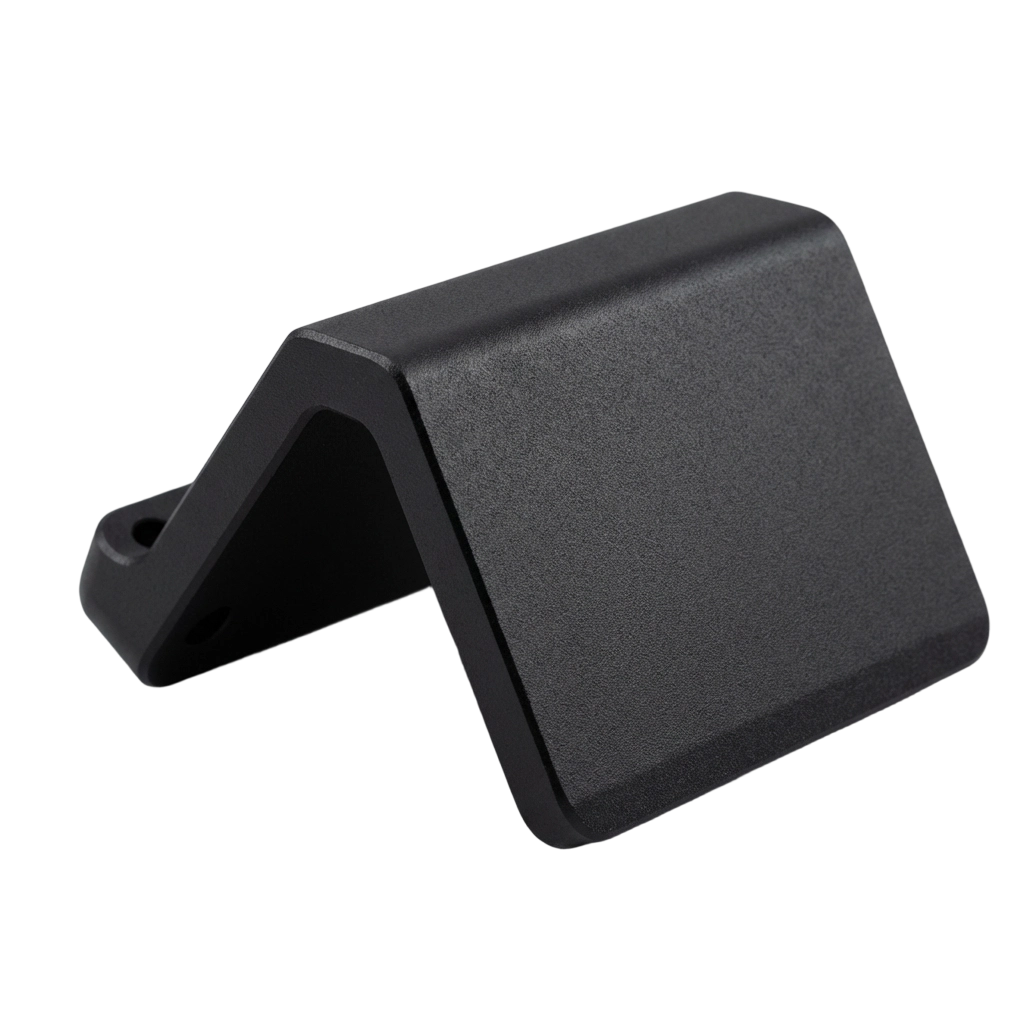
  • Powder Coating

    Dry powder is applied electrostatically and cured into a tough, thick film. Offers strong impact and weather resistance across a wide range of colors and textures, from flat matte to fine grain.
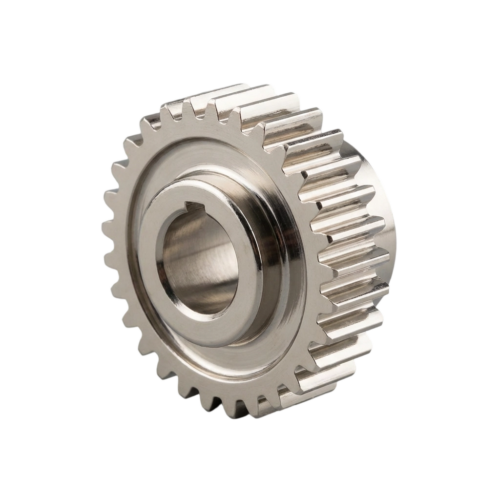
  • Electroplating
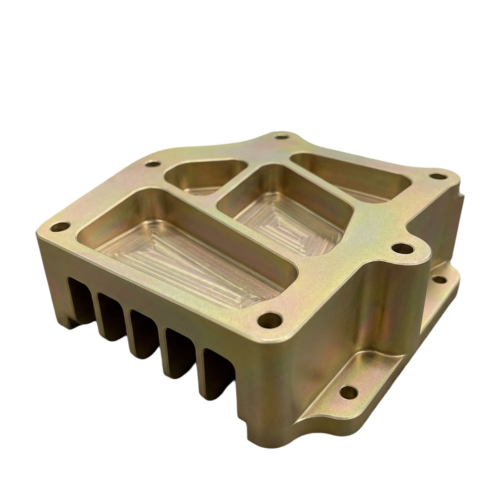
    A metallic layer — nickel, chrome, zinc, or tin — is deposited electrically. Selected for wear resistance, corrosion protection, electrical conductivity, or a bright decorative look.
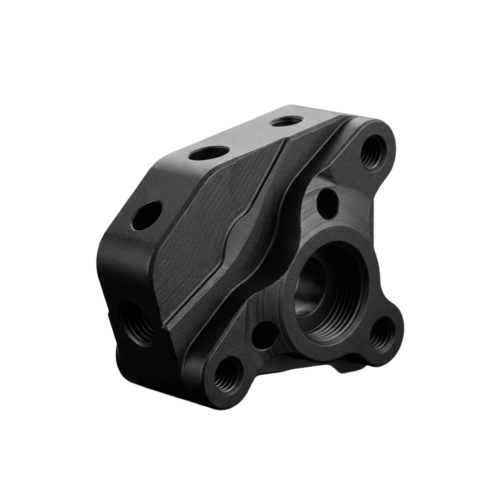
  • Black Oxidize
    A conversion process gives ferrous parts a dark, low-reflectivity surface with virtually no build-up, keeping tight tolerances intact while adding mild corrosion resistance when oiled.
  • Teflon Coating (PTFE)
    PTFE coating lowers friction between contacting surfaces and resists most chemicals. Applied where smooth movement, release, or reduced wear is needed without changing the base material.
  • Electroless Plating
    A chemical reaction deposits an even nickel layer without electrical current, so surface coverage stays uniform inside bores, blind holes, and complex geometry where plating current cannot reach.
  • Painting
    Liquid paint adds a protective and decorative film in any specified color or gloss level. Often applied over primer or conversion coating to improve adhesion and environmental durability.
  • Passivation
    Removes free iron and machining contaminants from stainless steel, letting the natural chromium oxide film re-form and stabilizing the surface for long-term use. Standard for medical, semiconductor, and food-contact parts.
  • Electrophoresis
    Charged particles in a bath deposit an even film across the whole part, including recesses and internal edges. Chosen when uniform coverage on intricate shapes is required at production volume.
  • SPI Finish
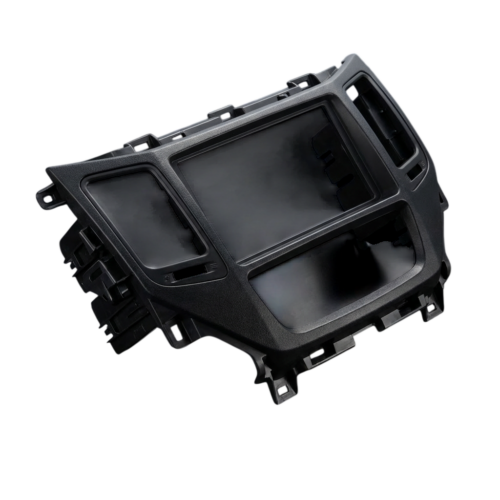
    SPI grades define standardized surface textures for injection-molded plastic parts, from A-1 high polish to D-3 heavy blast. Specifying a grade keeps appearance consistent from cavity to cavity and lot to lot.

FAQ

Frequently Asked Questions

Below are common questions about surface finishing — how options are compared, specified, and applied in CNC manufacturing.

Why is surface finishing applied after machining?
Machining sets shape and tolerance; finishing then adjusts texture, corrosion resistance, or appearance to meet the drawing spec.
Can one finish be used on different materials?
Some are versatile; others are material-specific — anodizing only works on aluminum, black oxide on ferrous alloys, passivation on stainless.
How do I choose the right surface finish?
Start from function: operating environment, contact and wear conditions, electrical requirements, and cosmetic expectations. Appearance alone rarely decides it.
Do finishes affect part dimensions?
Plating and powder coating add measurable thickness; anodizing grows partly into the base material; passivation and black oxide are close to dimensionally neutral. Flag critical fits on the drawing so we can compensate before machining.
Are surface finishes mainly cosmetic?
Many improve appearance, but most are specified for corrosion protection, wear life, friction control, or conductivity.

    Get a CNC Quote