






Low-Volume & Mass CNC Machining Services

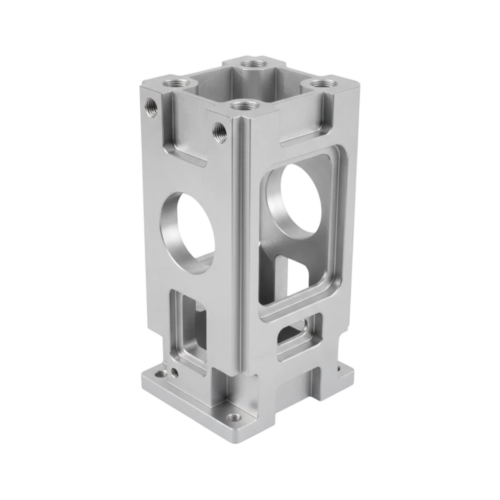
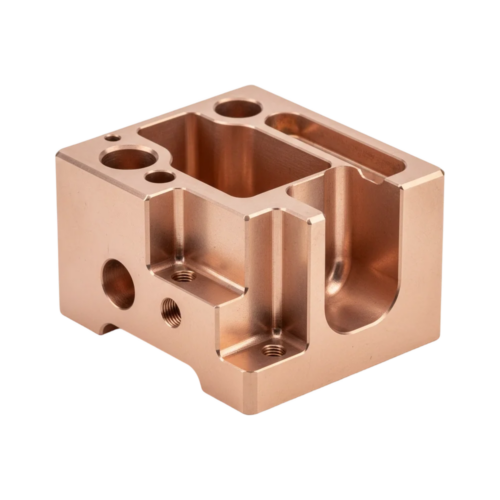
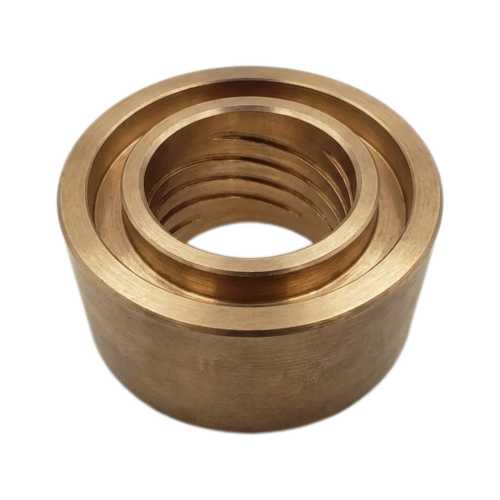
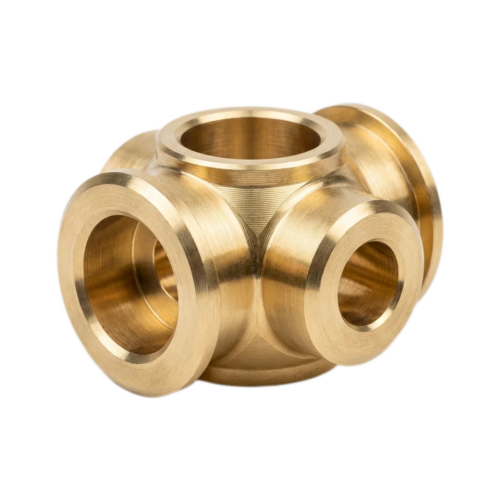
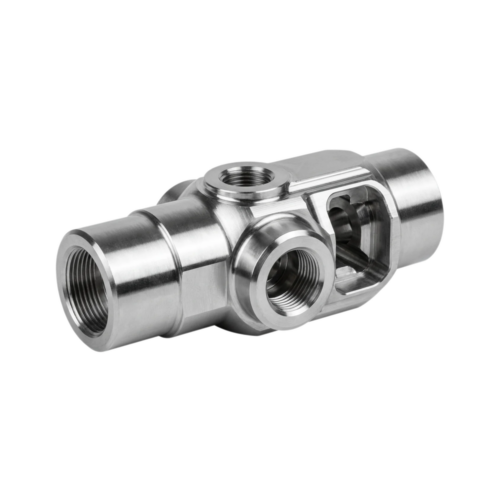
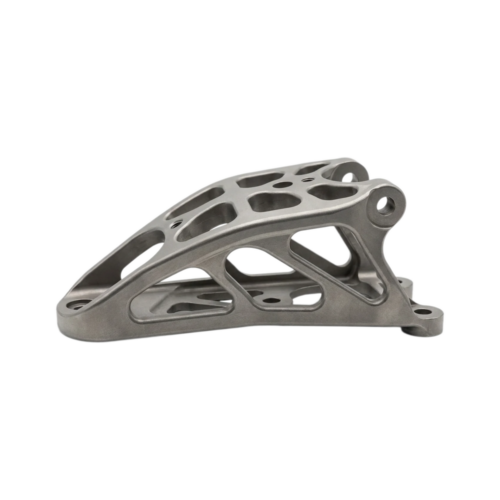
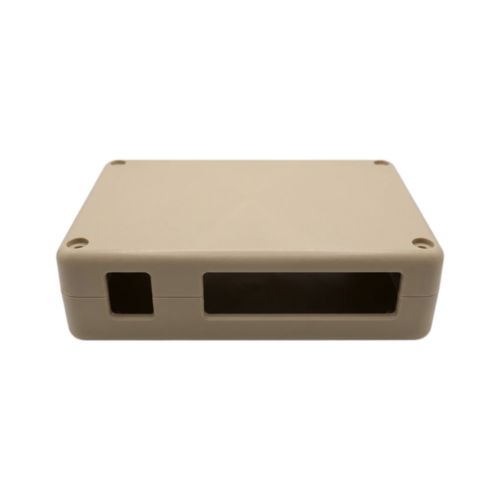
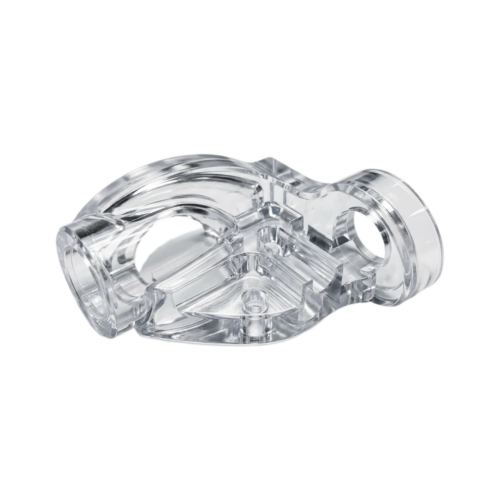
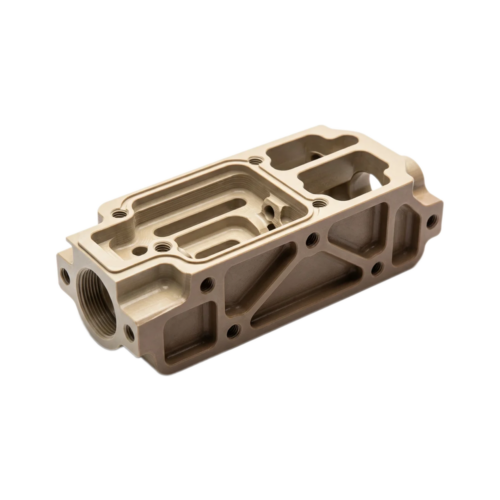
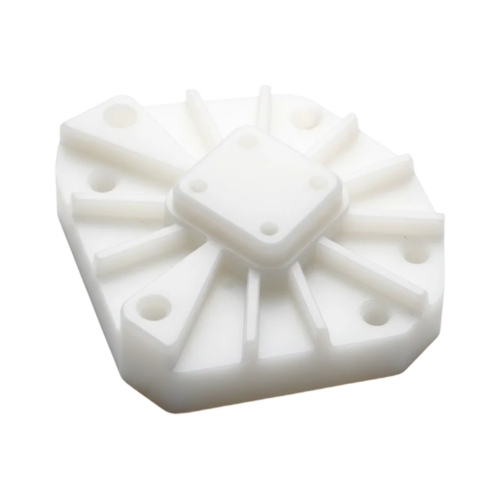
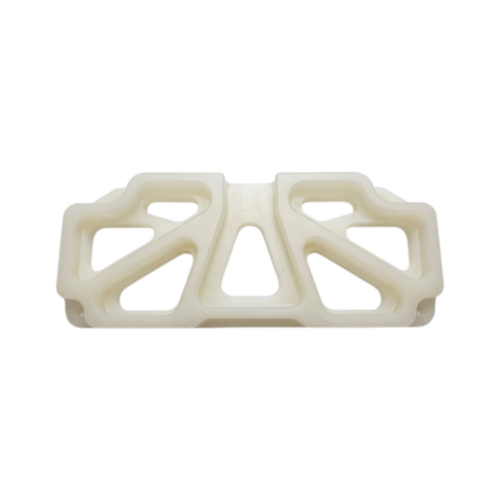
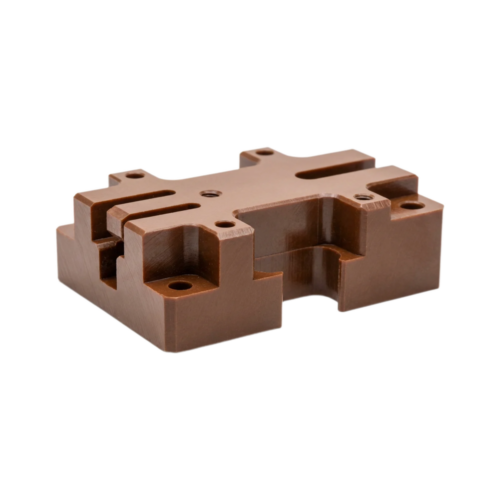
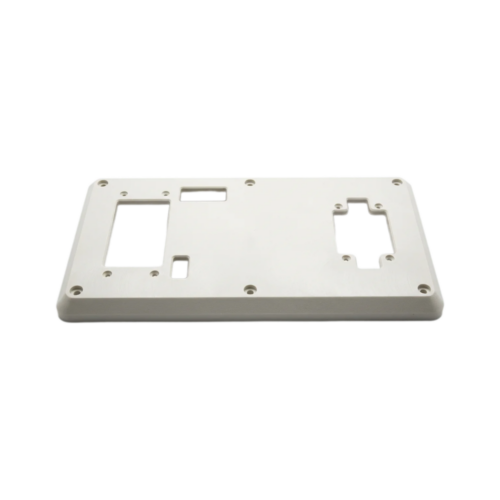
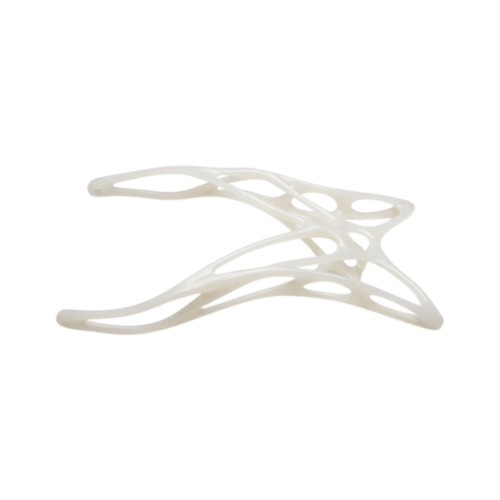
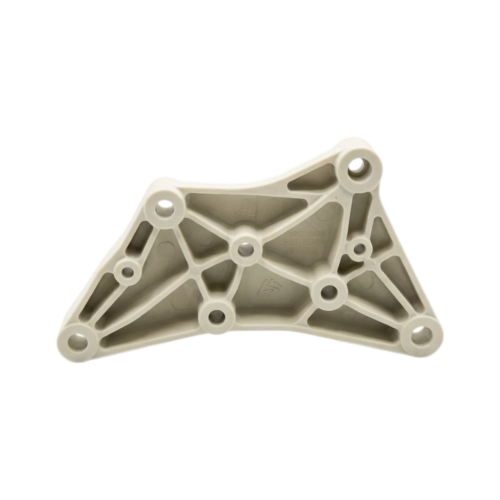
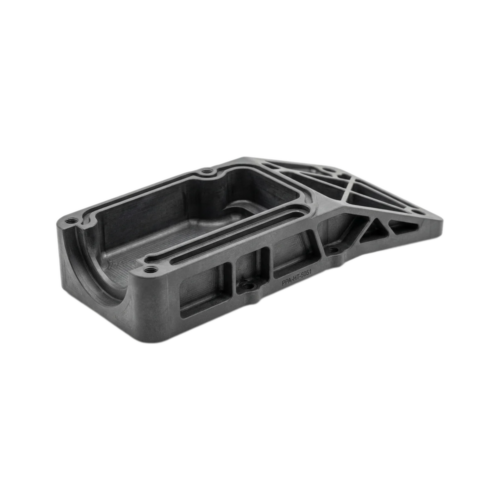
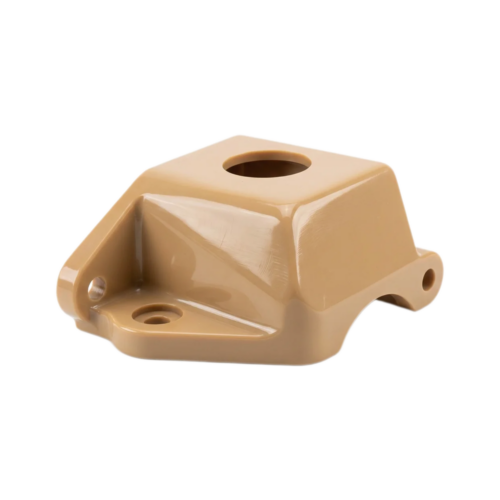
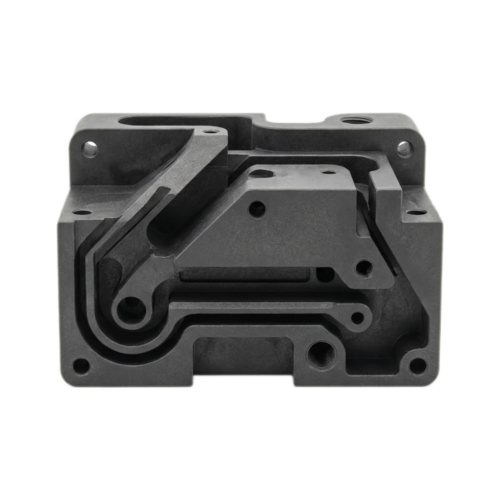
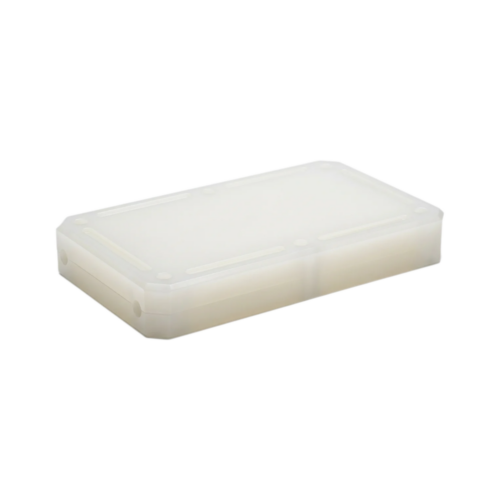
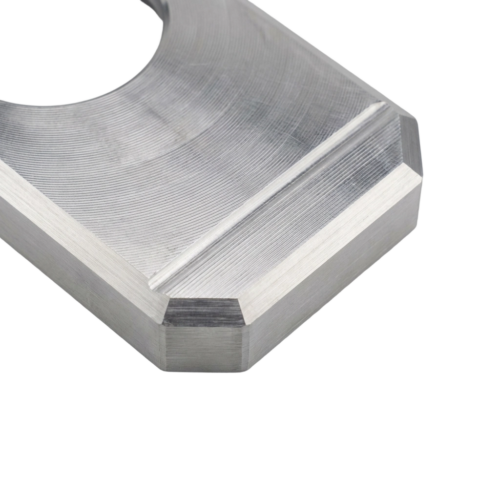
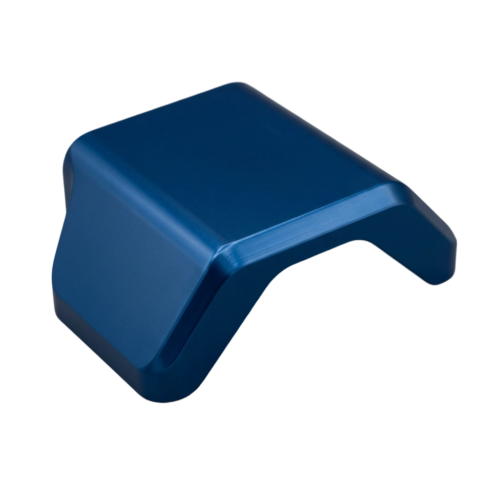
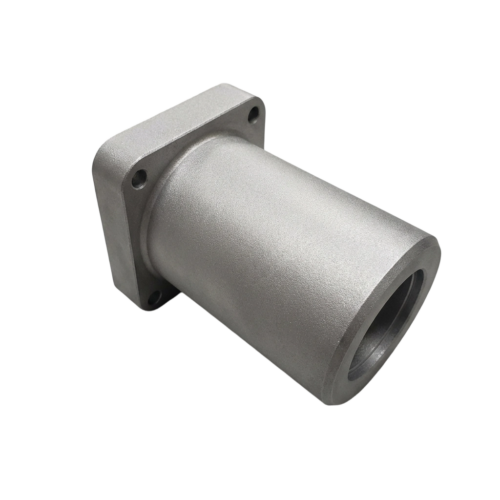
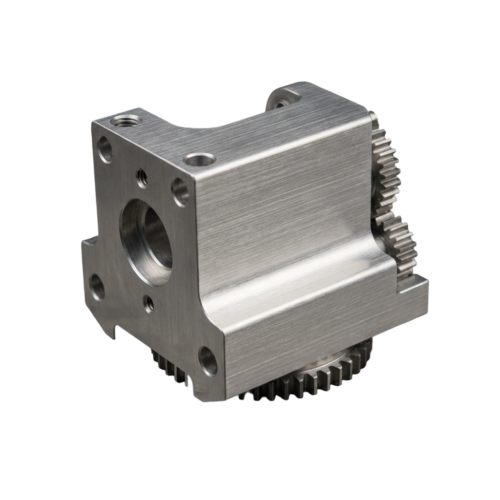
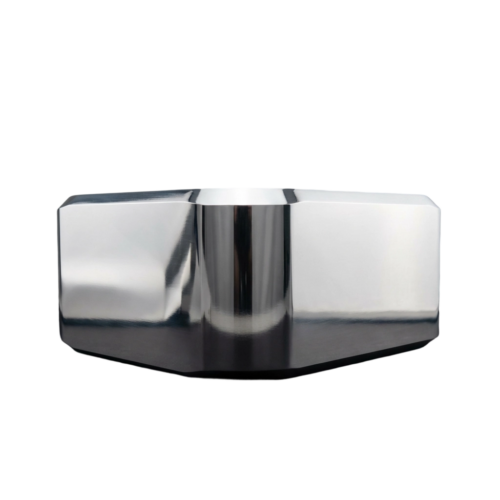
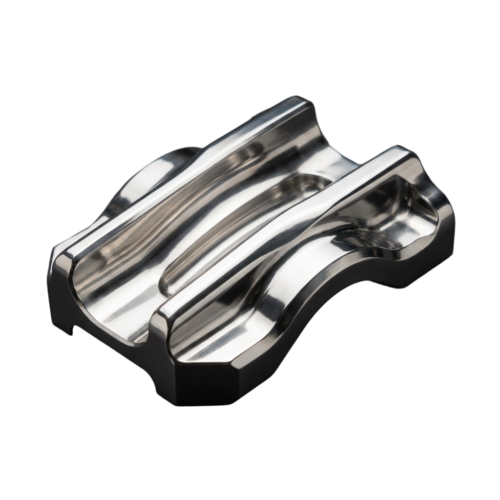
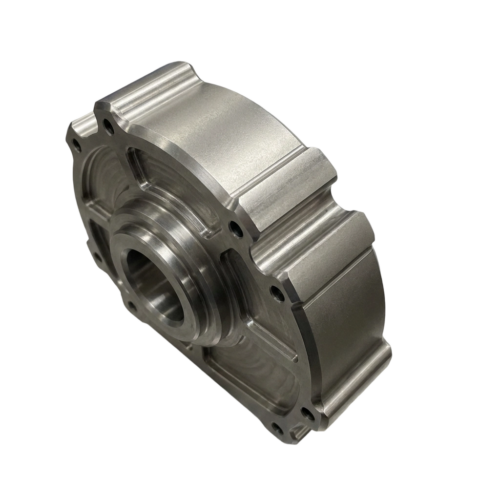
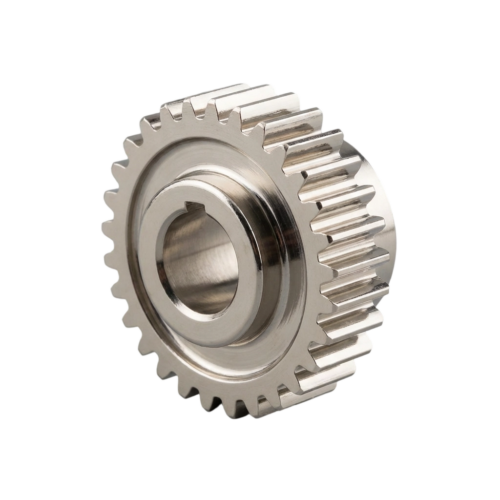
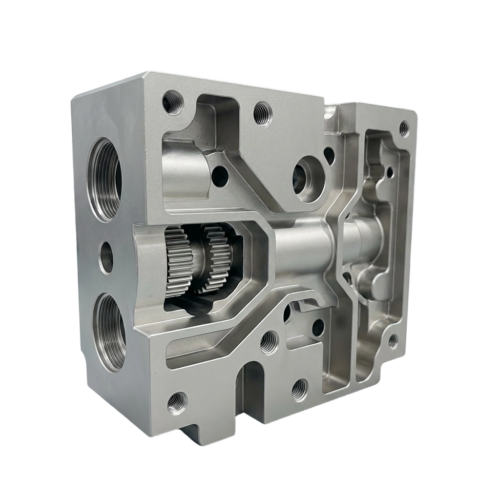
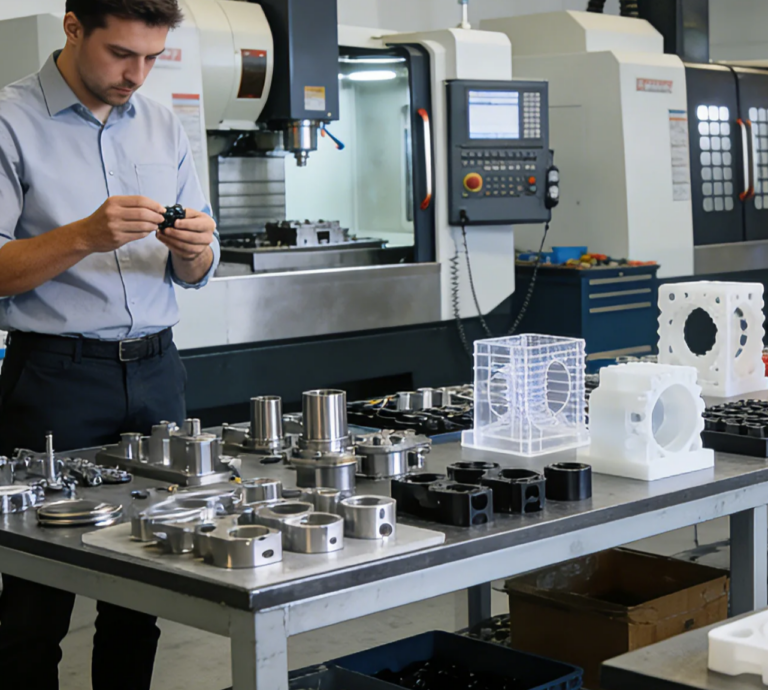
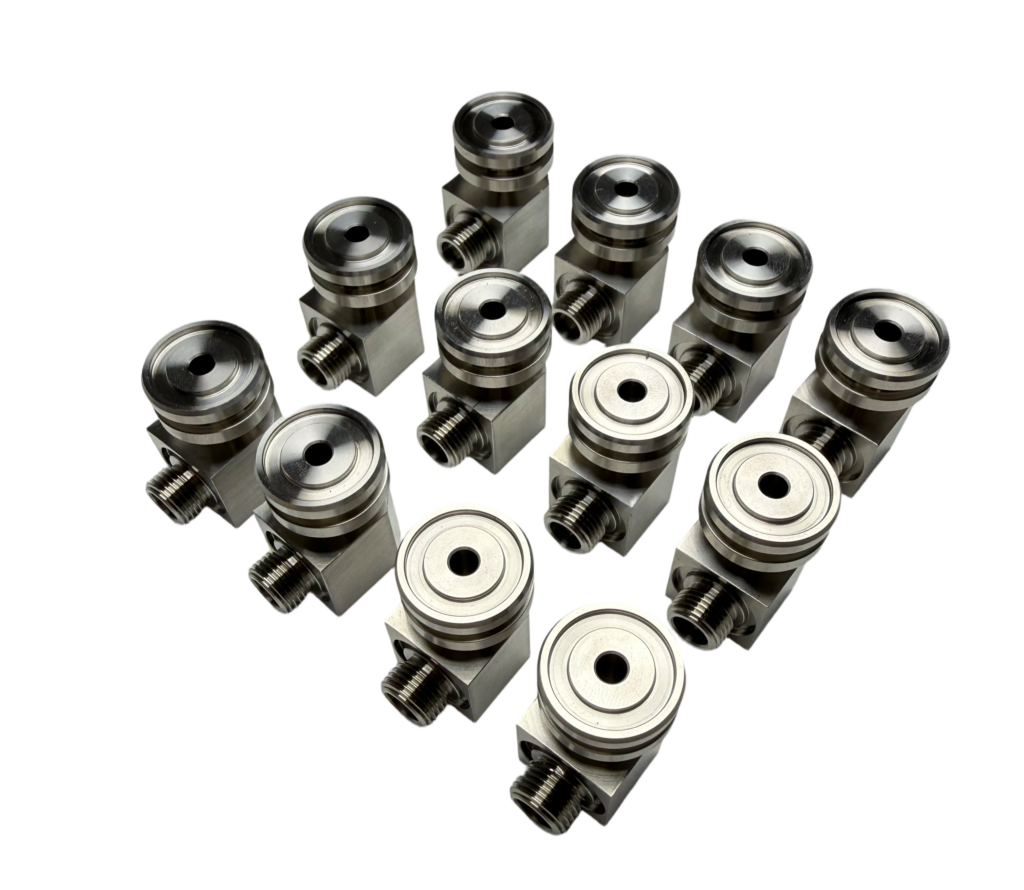
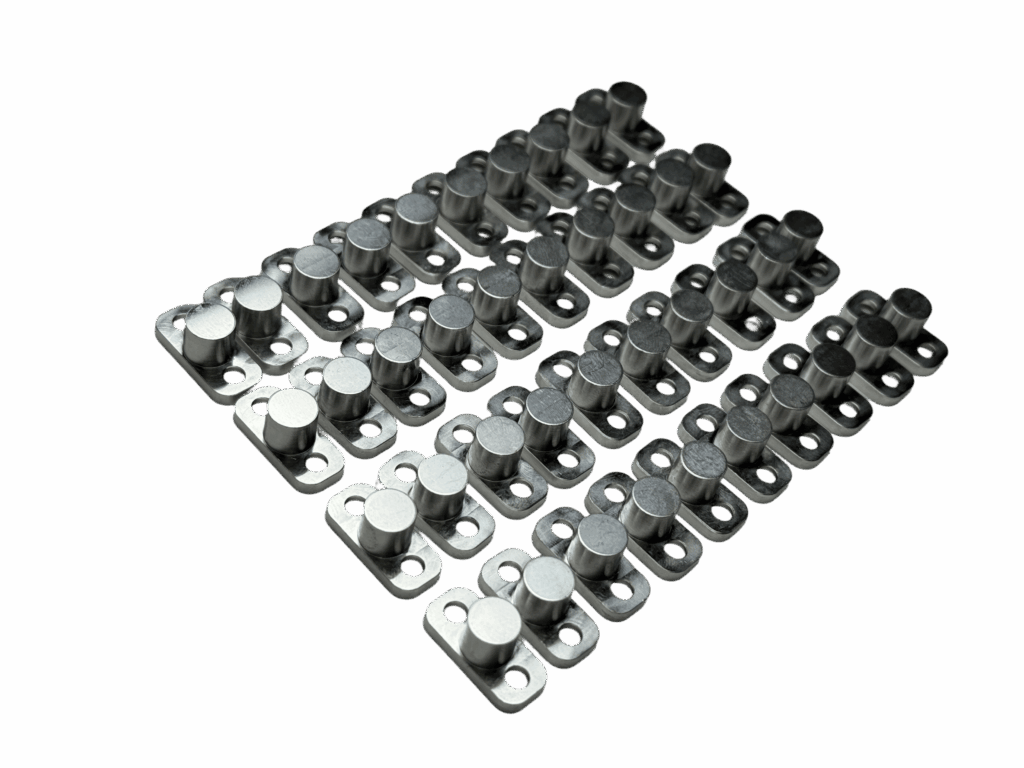
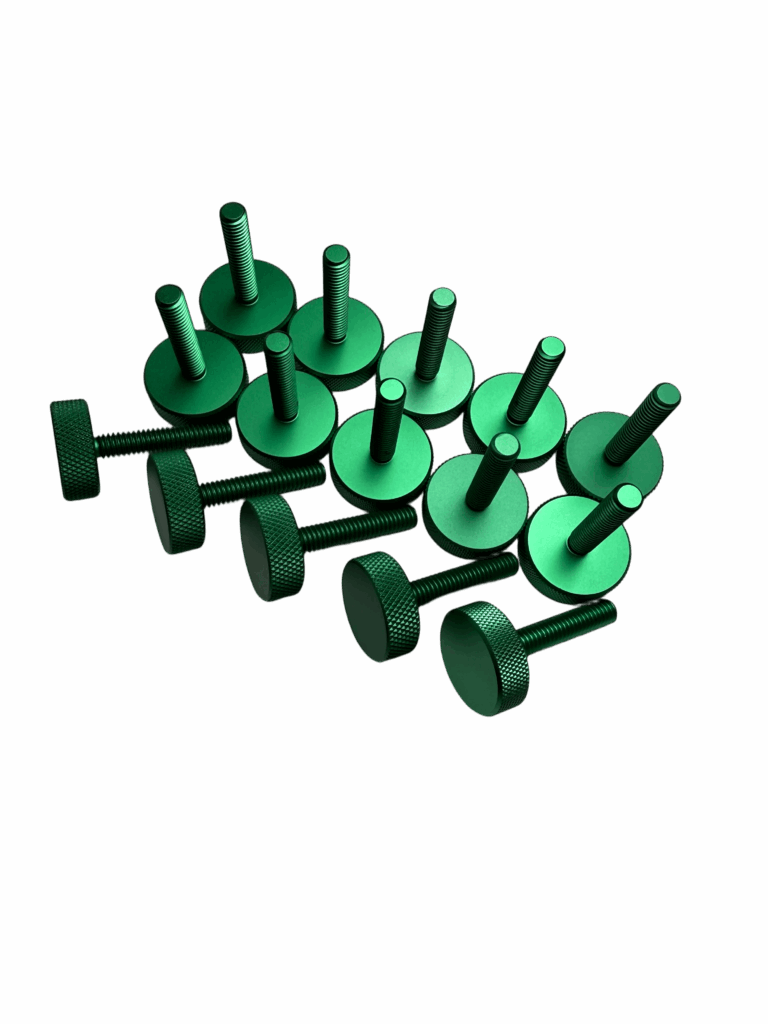
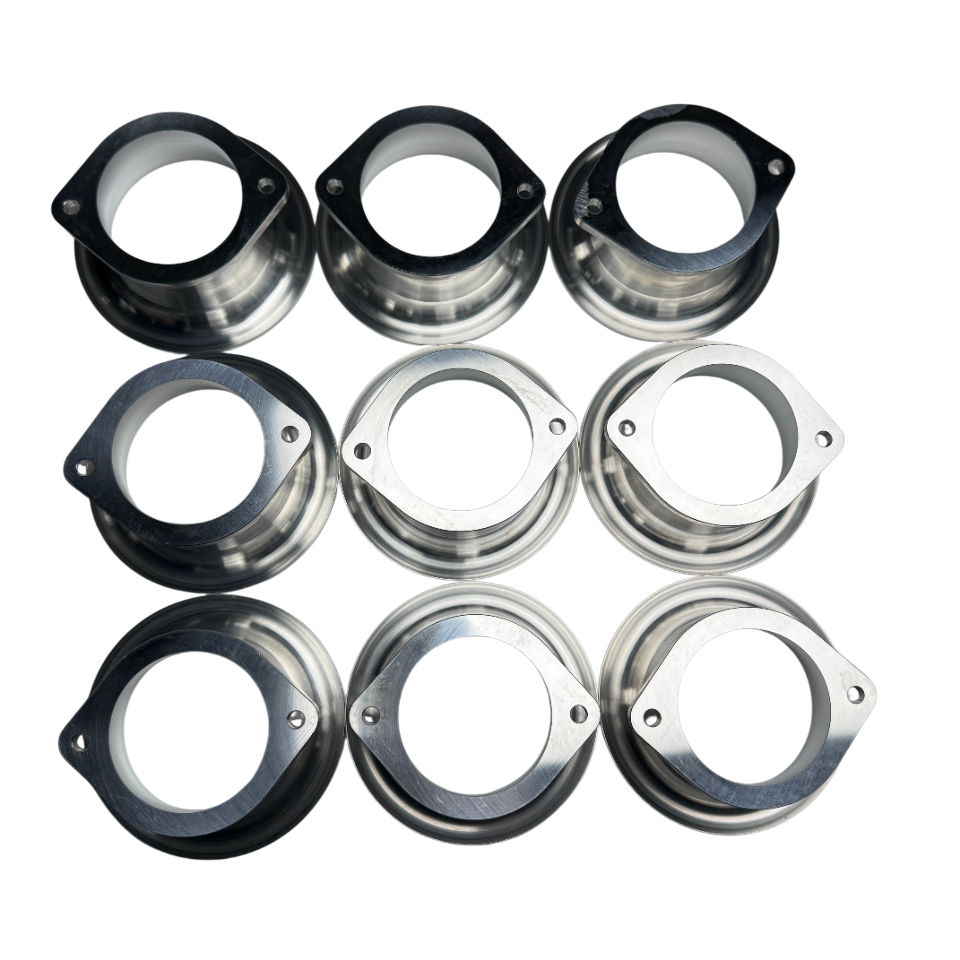
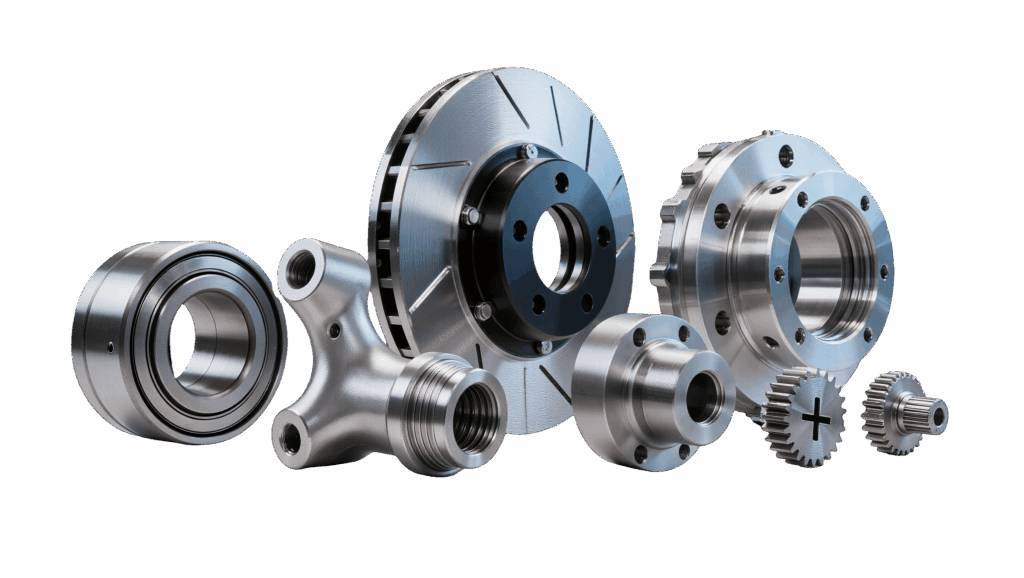
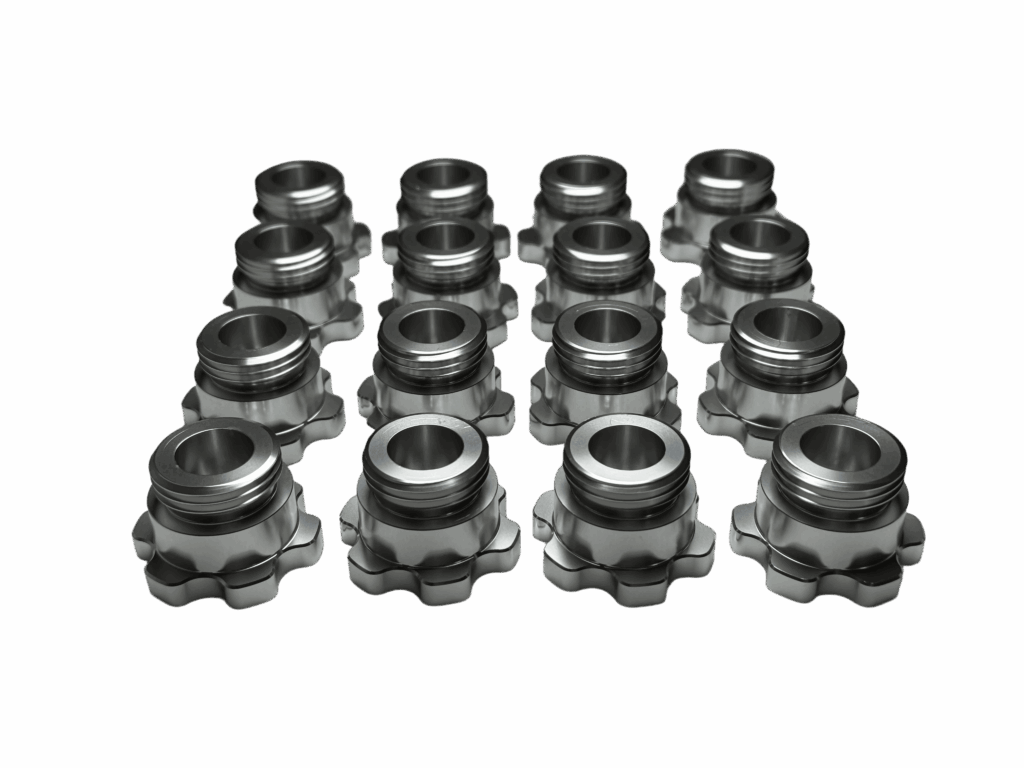
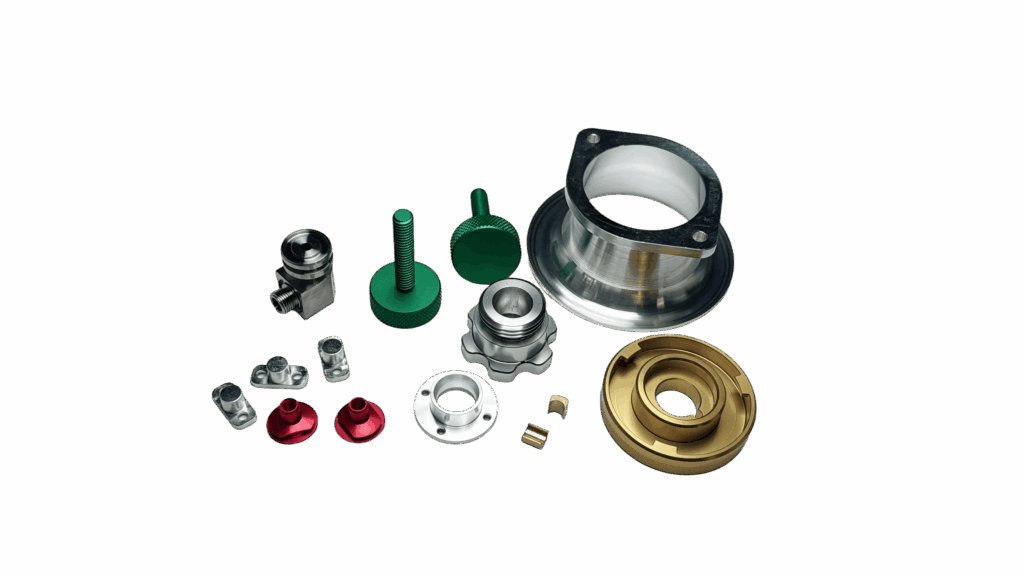
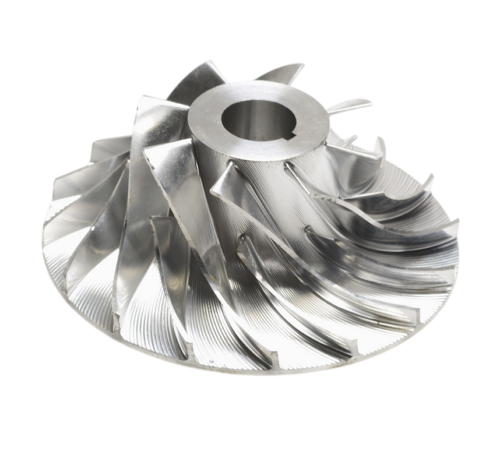
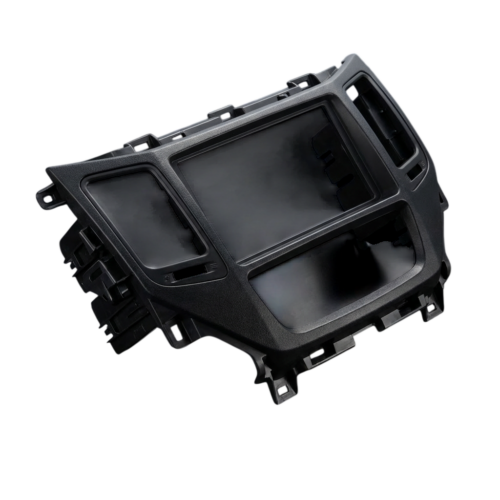
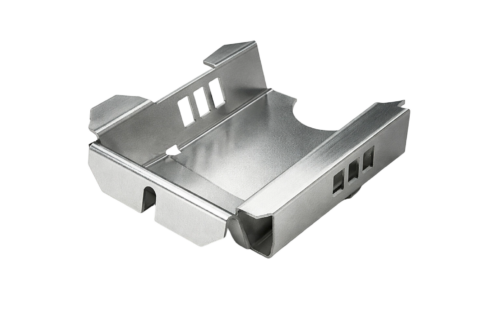
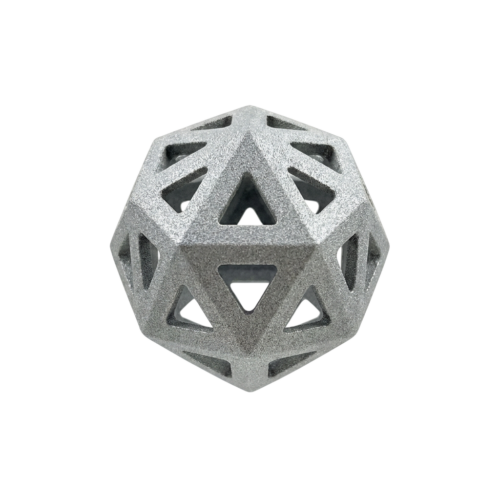
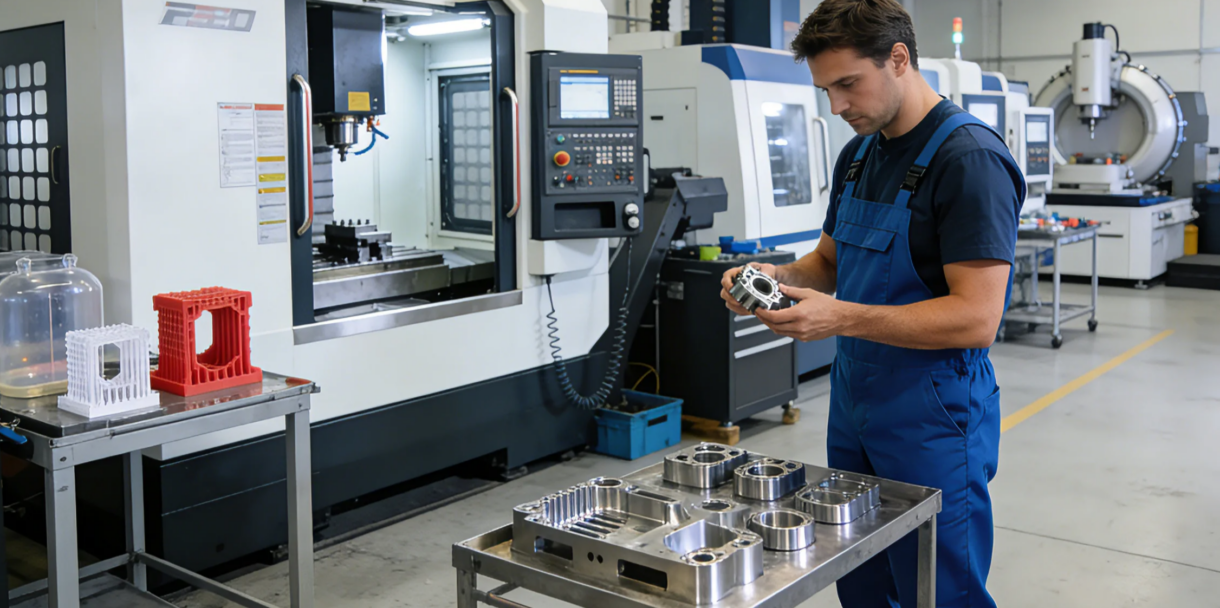
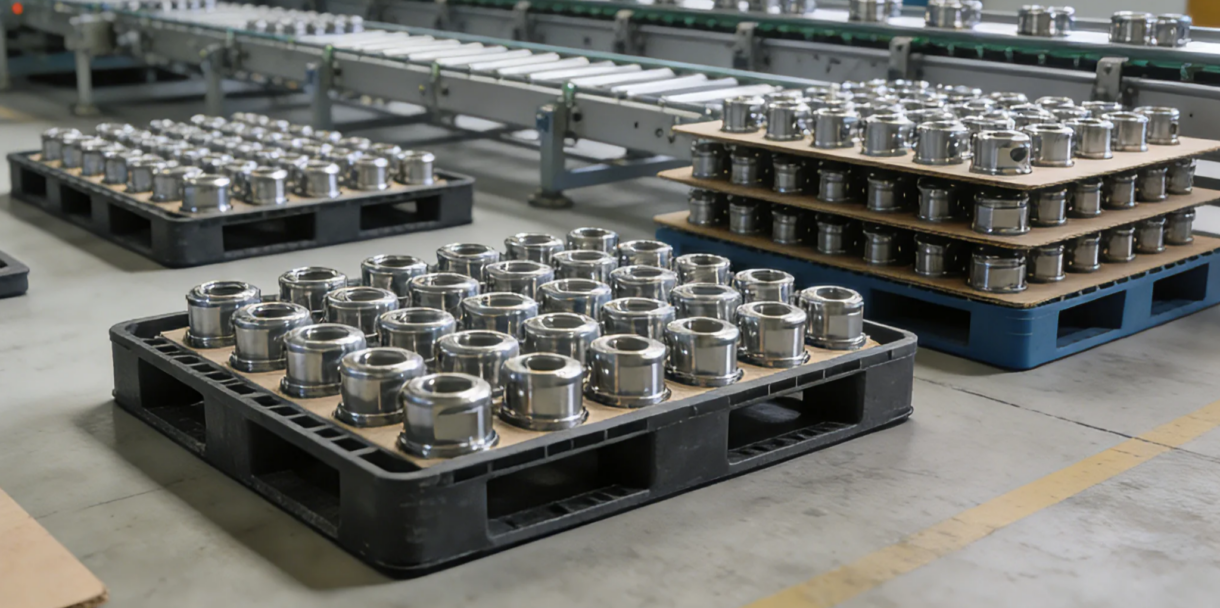
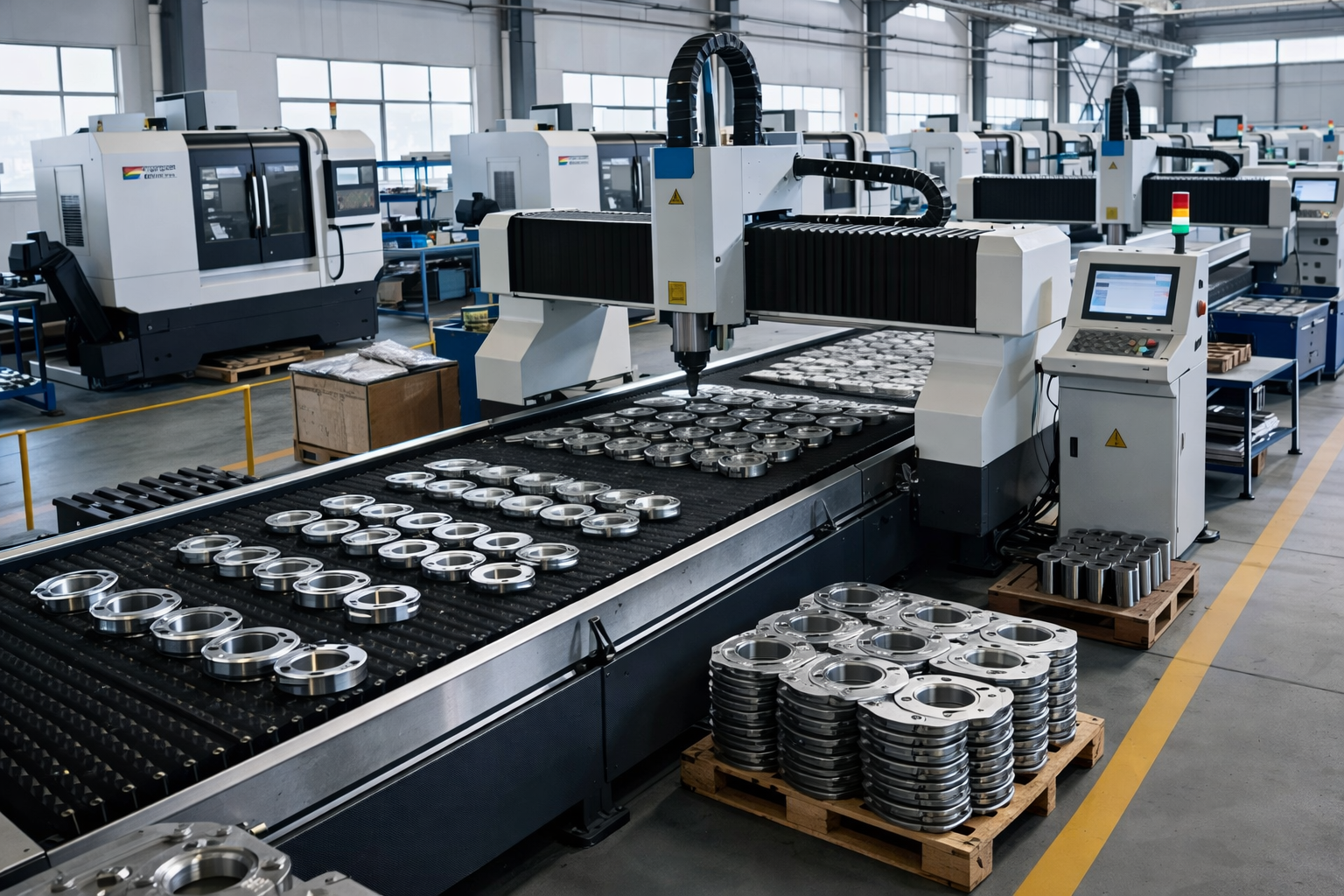
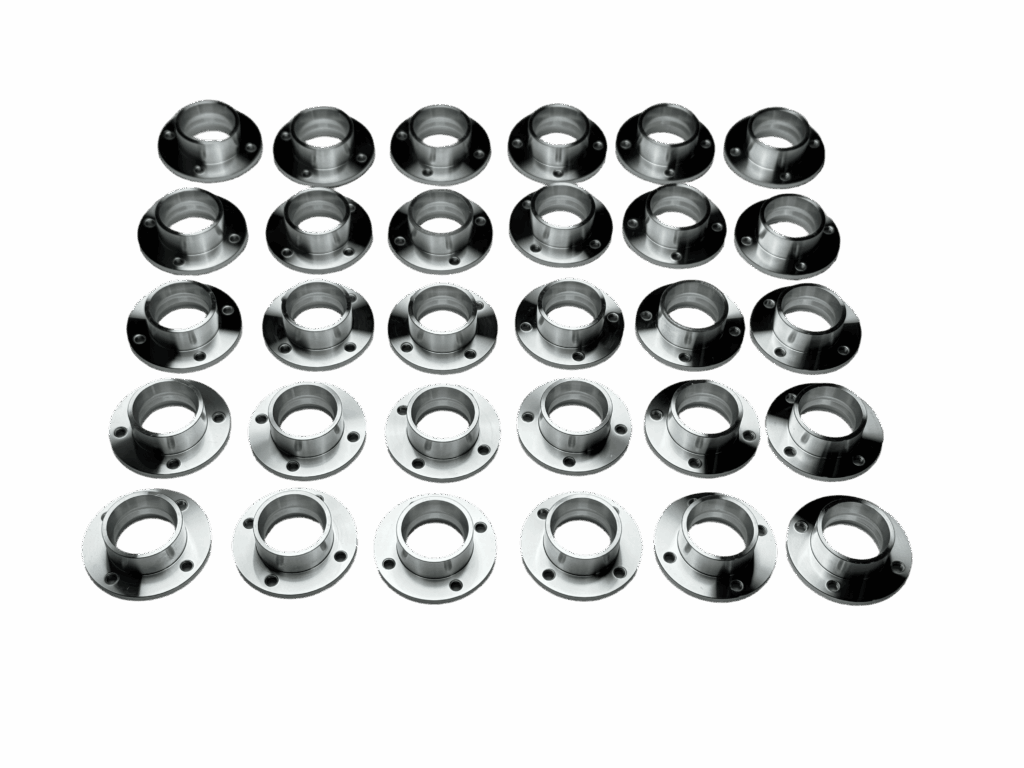
Move from prototype to small-batch production without investing in expensive production tooling. RuoChen Precision provides low volume CNC machining services for custom metal and plastic parts, supporting design validation, pilot production, bridge manufacturing, and repeat small-batch orders.

  • Prototype to Production: Support for prototypes, pilot runs, and repeat low-volume orders
  • Flexible Quantities: Suitable for projects from initial samples to production batches of up to 10,000 parts
  • Fast Production: Standard projects can be completed in approximately 3-15 business days, with simple parts available faster
  • Engineering Support: Drawing review and DFM recommendations before machining
  • Material Options: CNC machining for aluminum, stainless steel, titanium, brass, copper, engineering plastics, and more
  • Rapid Prototype
  • ISO 9001:2015
  • Low Volume & Mass Production
Why Use 

Why Use CNC Machining for Low-Volume Production

  • No Dedicated Production Tooling

    CNC machining does not normally require a dedicated production mold for each part design. This reduces the initial setup commitment for projects where the total quantity is limited or where the design may continue to evolve.

  • Faster Design Changes

    When a component is modified after testing, the machining program can often be updated from revised CAD files and drawings. This makes CNC machining well suited to products moving through engineering validation or early production stages.

  • Production-Grade Materials

    Parts can be machined directly from commercially available metal and engineering plastic stock. This allows prototypes and low-volume components to be produced in materials that closely match the intended production application.

  • Precision for Functional Components

    CNC machining can produce detailed features, mating surfaces, threaded holes, pockets, and controlled dimensional relationships required for functional assemblies. Tolerance requirements are evaluated according to part geometry, material behavior, and inspection needs.

  • Shorter Production Preparation

    Without the need to manufacture complex hard tooling first, production can begin after design review, material preparation, programming, and machining setup are completed.

  • Easy Transition Between Production Batches

    Small batches can be scheduled according to actual demand rather than committing to a large inventory at the beginning of a project. Repeat orders can also be produced from controlled drawings and machining data when additional parts are required.

Capabilities

Low Volume CNC Machining Specifications

General Tolerances – Metals ISO 2768-m
General Tolerances – Plastics ISO 2768-c
Precision Requirements Machining and inspection according to drawing and GD&T requirements; tight tolerances are available depending on material, geometry, and part size.
Minimum Wall Thickness 0.5 mm, depending on material and geometry
Minimum End Mill Size 0.5 mm
Minimum Drill Size 1 mm
Maximum CNC Milling Size Up to 4000 × 1500 × 600 mm
Maximum CNC Turning Size Up to Ø200 × 500 mm
Minimum CNC Milling Part Size Approximately 5 × 5 × 5 mm
Minimum CNC Turning Part Size Down to approximately 2 × 2 mm
Prototype Quantity 1–100 pcs
Low-Volume Production 101–10,000 pcs
Standard Lead Time Approximately 5 business days; simple parts may be completed faster

Actual manufacturability, tolerance capability, and lead time depend on part size, geometry, material, surface finish, quantity, and inspection requirements. Submit your drawing for a project-specific review.

Materials

Material for Superior Results

  • Aluminum
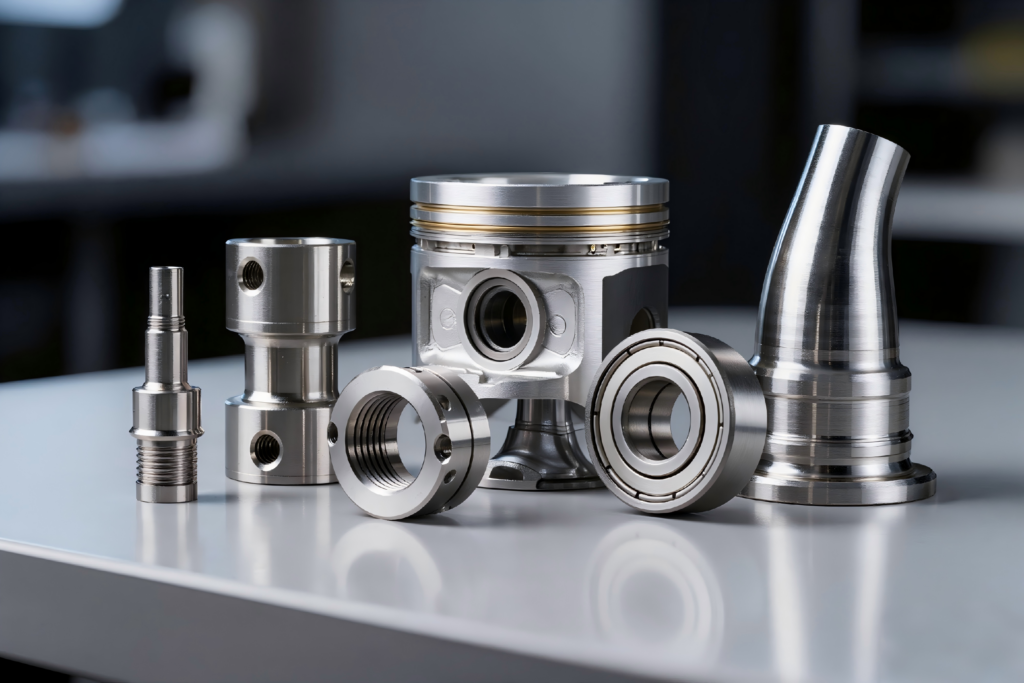
    Aluminum is a lightweight, versatile metal widely used in CNC machining for structural and enclosure parts. It offers excellent machinability, good corrosion resistance, and a high strength-to-weight ratio suited for production and prototyping.
    Type
    Aluminum 6061 6061-T6 Aluminum 2024 Aluminum 5052 Aluminum 5083
  • Copper
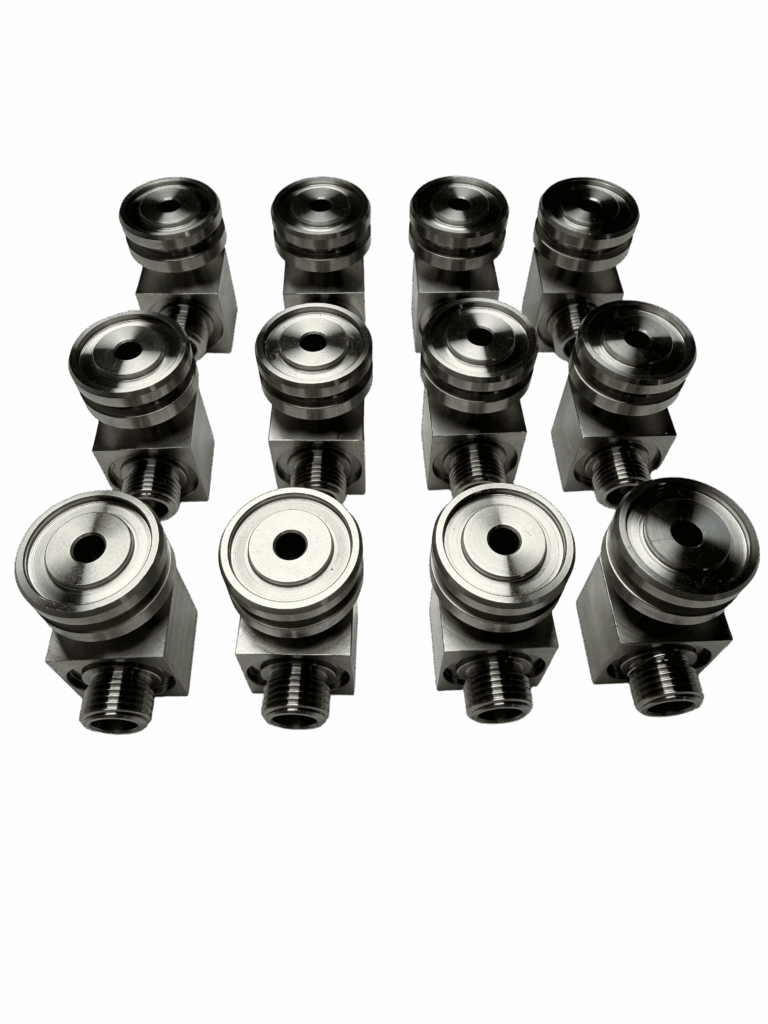
    Copper is a versatile, high-conductivity metal widely used in CNC machining for electrical and thermal components. Its excellent ductility and corrosion resistance make it suitable for precision parts, fittings, and heat-transfer assemblies.
    Type
    Copper C110 (ETP) Copper C101 (OFE) Copper C102 (OFHC) Copper C145 (Tellurium Copper)
  • Bronze
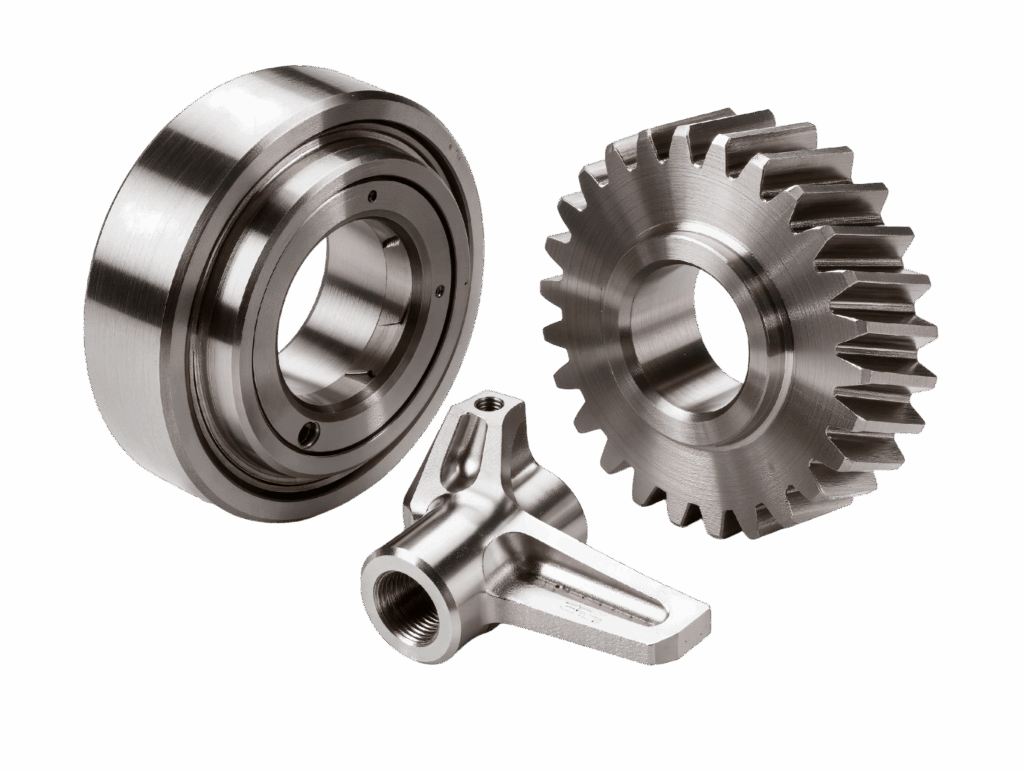
    Bronze is a family of copper-based alloys, typically copper‑tin or copper‑aluminum, valued for wear resistance and corrosion performance. Its combination of low friction, good machinability, and strength makes it ideal for bearings, gears, marine fittings, and precision CNC components.
    Type
    C93200 (SAE 660) C95400 (Aluminum Bronze) C86300 (Manganese Bronze) C51000 (Phosphor Bronze)
  • Brass
    Brass is a copper–zinc alloy prized for excellent machinability, conductivity, and corrosion resistance. It machines cleanly to tight tolerances and delivers an attractive finish for functional and aesthetic parts.
    Type
    C36000 C26000 C46400 C38500
  • Stainless Steel
    Stainless steel is a corrosion-resistant alloy family used for structural, hygienic, and precision components in industrial manufacturing. Grades vary in strength, heat tolerance, and machinability—select grade and tooling to optimize CNC performance.
    Type
    304 316 303 17-4PH
  • Titanium
    Titanium is a lightweight metal offering a superior strength-to-weight ratio and excellent corrosion resistance for demanding CNC-machined parts. It suits aerospace, medical, and industrial applications but requires optimized tooling and coolant control during machining.
    Type
    Grade 5 Grade 23 Grade 2 Grade 1
  • ABS
    ABS (Acrylonitrile Butadiene Styrene) is a versatile engineering thermoplastic offering excellent toughness, impact resistance, and good machinability for prototyping and production parts. It machines cleanly with sharp tooling, accepts paints and adhesives, and is commonly used for housings, trims, and consumer components, with moderate heat and UV limitations.
    Type
    Standard ABS High-impact ABS Flame-retardant ABS
  • PC
    Polycarbonate (PC) is an impact-resistant engineering thermoplastic with excellent optical clarity, used widely in molded and machined parts. It suits prototypes and production components where toughness, transparency, and dimensional stability are required.
    Type
    Standard PC Optical-Grade PC Flame-Retardant PC
  • PMMA (Acrylic)
    PMMA (acrylic) is a lightweight, rigid thermoplastic known for outstanding optical clarity and good weathering. It machines cleanly, polishes to a high gloss, and suits display, optical, and prototyping applications.
    Type
    Standard PMMA (Acrylic) Transparent PMMA UV-Resistant PMMA
  • POM
    POM (polyoxymethylene) is a high-performance engineering thermoplastic known for stiffness, low friction, and excellent dimensional stability for machined parts. It offers superior machinability and wear resistance for precision components used in industrial and consumer applications.
    Type
    Standard POM (Acetal) Glass-Filled POM Low-Friction POM
  • PA (Nylon)
    PA (Nylon) is a versatile engineering thermoplastic known for toughness, low friction, and excellent wear resistance. It suits CNC machining and injection molding for structural and bearing components but is hygroscopic, so plan for moisture-related dimensional changes.
    Type
    PA6 (Nylon 6) PA66 (Nylon 66) Glass-Filled PA
  • PE
    PE (polyethylene) is a versatile thermoplastic used for molded parts and machined components, available in LDPE, HDPE and UHMW grades. It delivers low friction, excellent chemical resistance and high impact strength for a wide range of manufacturing applications.
    Type
    LDPE HDPE UHMW-PE
  • PEEK
    PEEK (polyether ether ketone) is a high-performance semicrystalline thermoplastic with exceptional mechanical, thermal, and chemical properties. It offers dimensional stability and low wear for precision CNC machining and demanding manufacturing applications.
    Type
    Unfilled PEEK Glass-Filled PEEK Carbon-Filled PEEK
  • PP
    PP (polypropylene) is a semi-crystalline thermoplastic widely used for CNC machining and injection molding. It combines low density, excellent chemical resistance, low moisture uptake, and good fatigue performance for cost-effective, high-volume parts.
    Type
    Homopolymer PP Copolymer PP Glass-Filled PP
  • HDPE
    HDPE (high-density polyethylene) is a versatile thermoplastic commonly used for CNC machining, molding, and fabricated industrial parts. It provides excellent chemical resistance, low moisture uptake, high impact strength, and straightforward machinability for durable components.
    Type
    Standard HDPE UV-Stabilized HDPE Food-Grade HDPE
  • FR-4
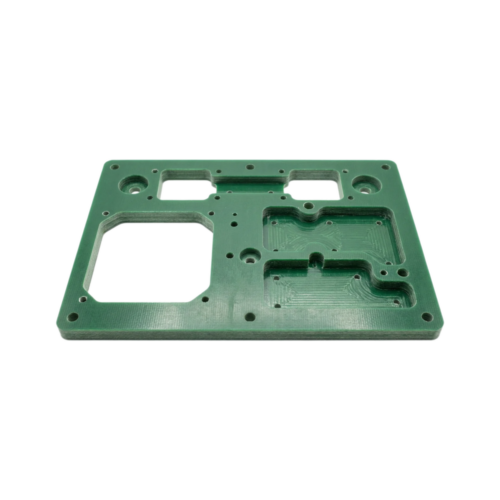
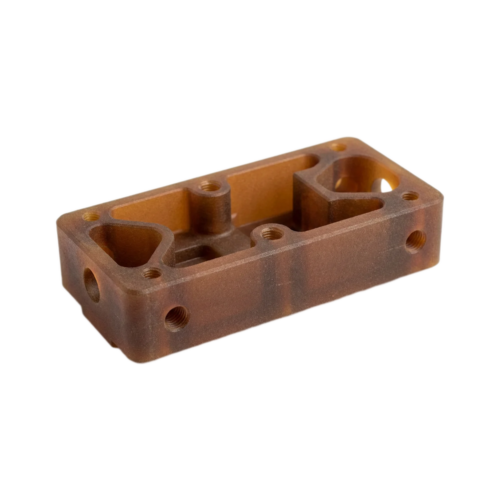
    FR-4 is a glass-reinforced epoxy laminate commonly used as a rigid PCB substrate and electrical insulator. It provides reliable dielectric performance, good mechanical strength, flame retardancy, and is readily machinable for routing and drilling.
    Type
    Standard FR-4 High-Tg FR-4 Halogen-Free FR-4
  • Bakelite
    Bakelite is a thermosetting phenolic resin valued for heat resistance, electrical insulation, and dimensional stability. It is commonly supplied as molded parts, sheets, and machinable blanks; machining requires sharp tooling and conservative feeds due to brittleness.
    Type
    Paper-Based Bakelite Fabric-Based Bakelite Glass-Filled Phenolic
  • HIPS
    High Impact Polystyrene (HIPS) is a low-cost, easily fabricated thermoplastic with improved impact resistance compared to general polystyrene. It machines cleanly, thermoforms and injection molds well, and accepts paints, adhesives and printing for production parts and prototypes.
    Type
    Standard HIPS Sheet-Grade HIPS High-Gloss HIPS 6061-T6
  • LDPE
    LDPE (low-density polyethylene) is a flexible, low-density thermoplastic with excellent chemical resistance and impact toughness. Commonly processed by extrusion, blow and injection molding, LDPE can also be CNC routed or fabricated for lightweight, corrosion-resistant components.
    Type
    Standard LDPE Film-Grade LDPE Extrusion-Grade LDPE
  • PBT
    PBT (polybutylene terephthalate) is a semi-crystalline engineering thermoplastic offering excellent dimensional stability, mechanical strength, and electrical insulation. It molds and machines well, with glass-filled and flame-retardant grades available for heat-resistant automotive, electrical, and consumer components.
    Type
    Standard PBT Glass-Filled PBT Flame-Retardant PBT
  • PPA
    Polyphthalamide (PPA) is a high-performance engineering thermoplastic with superior heat, chemical and oil resistance compared with standard nylons. It supports precision injection molding and CNC machining while maintaining dimensional stability and long-term strength.
    Type
    Standard PPA Glass-Filled PPA Flame-Retardant PPA
  • PAI
    Polyamide-imide (PAI) is an ultra-high-performance thermoplastic that delivers exceptional mechanical strength, stiffness and wear resistance at elevated temperatures. It machines well and retains dimensional stability for precision components that require continuous service up to approximately 260°C.
    Type
    Standard PAI Glass-Filled PAI Wear-Grade PAI
  • PTFE (Teflon)
    PTFE (Teflon) is a high-performance fluoropolymer prized for ultra-low friction, wide temperature stability, and outstanding chemical resistance. It is commonly CNC-machined into seals, bearings, electrical insulators, and corrosion-resistant components; filled grades improve wear and dimensional stability.
    Type
    Virgin PTFE Carbon-Filled PTFE
  • PVC
    Polyvinyl chloride (PVC) is a versatile thermoplastic available in rigid and flexible grades, offering strong chemical resistance, flame retardancy, and good dimensional stability. It machines well with standard tooling, bonds and welds readily, and provides a cost-effective option for piping, jacketing, and fabricated components.
    Type
    Rigid PVC (uPVC) Flexible PVC CPVC
  • PS
    Polystyrene (PS) is an amorphous, low-cost thermoplastic commonly used for injection molding, thermoforming, and prototyping. It provides excellent surface finish and dimensional stability, with limited heat and chemical resistance.
    Type
    General Purpose PS (GPPS) High Impact PS (HIPS) Expandable PS (EPS)
  • PPS
    Polyphenylene sulfide (PPS) is a high-performance semicrystalline thermoplastic offering excellent thermal, chemical, and dimensional stability for demanding applications. It is widely used in injection molding and can be CNC machined from rod or plate for precision prototypes and low-volume parts.
    Type
    Unfilled PPS Glass-Filled PPS Mineral-Filled PPS
  • PET
    Polyethylene terephthalate (PET) is a semi-crystalline engineering thermoplastic offering high stiffness, dimensional stability, and strong chemical resistance. It is widely used in injection molding, extrusion, and CNC machining for structural, electrical, and food-contact components.
    Type
    Unfilled PET Glass-Filled PET Recycled PET (rPET)
Surface finish

Surface Finishing for Custom Parts

How We Control Low-Volume CNC Machining Costs

Low-volume production does not have the same cost structure as mass production. Because setup, programming, workholding, inspection, and material preparation are distributed across fewer parts, design and production planning can have a significant effect on the final unit cost.

  • Design Review: Review drawings and CAD files to reduce unnecessary setups, tooling, and secondary operations.
  • Practical Tolerances: Apply tight tolerances only to features that affect fit, sealing, alignment, or performance.
  • Standard Features: Use standard hole sizes, threads, radii, and tooling wherever possible.
  • Fewer Setups: Design parts for better feature access and fewer machining orientations.
  • Early Post-Processing Planning: Confirm anodizing, plating, heat treatment, and coating requirements before machining.
  • Batch Repeat Parts: Group recurring small-batch orders to reduce repeated setup and programming time.
Quality Control 

Quality Control for Low-Volume CNC Parts


Small production quantities still require consistent dimensional control. Our quality workflow begins with the approved drawing rather than relying on a single general tolerance for every component.

  • Drawing and GD&T Review - Critical dimensions, datum relationships, tolerance zones, threads, surface requirements, and inspection expectations are reviewed before machining begins.
  • First-Part Verification - Initial machined components can be checked before the remaining batch proceeds, helping confirm that the machining setup and program meet the specified requirements.
  • In-Process Monitoring - Critical features can be monitored during production so that tool wear, dimensional drift, or setup-related variation can be identified before the complete batch is finished.
  • Final Inspection - Finished components are inspected according to applicable drawing requirements before packaging and shipment. Inspection methods are selected according to the dimensions and features that need to be verified.
  • Project Documentation - Material certificates, inspection reports, and packaging specifications can be provided on request when required for project documentation or supply-chain control.
Tailored Service

From Prototype to Low-Volume Production

A low-volume CNC project often develops through several manufacturing stages. Instead of treating each stage as a separate process, production information can be refined as the design moves closer to release.

  • Design Review

    Send the 3D model, 2D drawing, quantity, material, finishing requirements, and any critical tolerances. The project is reviewed for manufacturability and production planning.

  • Prototype Machining

    Initial parts are produced for dimensional checking, assembly testing, functional evaluation, or customer approval.

  • Design Validation

    Results from testing can be used to update the model or drawing before a larger quantity is released. This stage allows engineering changes to be incorporated without committing to dedicated mass-production tooling.

  • Pilot or Small-Batch Production

    Once the design is confirmed, the approved manufacturing data is used to produce the required batch with defined machining and inspection procedures.

  • Repeat Production

    Additional batches can be scheduled according to demand. Controlled design revisions can be incorporated when products continue to evolve between production runs.

  • Scale-Up Evaluation

    When demand increases significantly, the production method can be reassessed. CNC machining may remain suitable for complex or precision parts, while components with stable designs and higher quantities may benefit from processes such as injection molding or die casting.

Process Comparison

Low Volume CNC Machining vs. Other Manufacturing Processes

The right manufacturing process depends on material, quantity, geometry, tolerance, surface requirements, and whether the design is likely to change.

  • CNC Machining

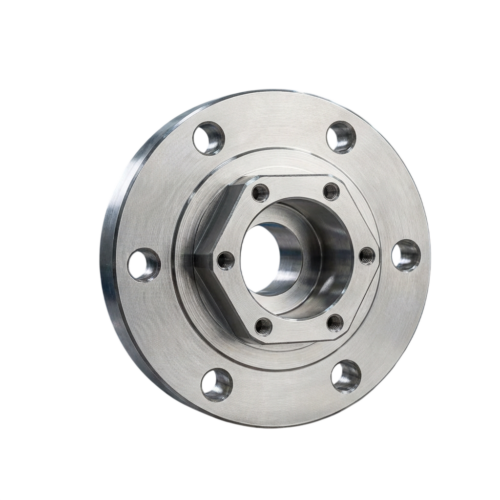
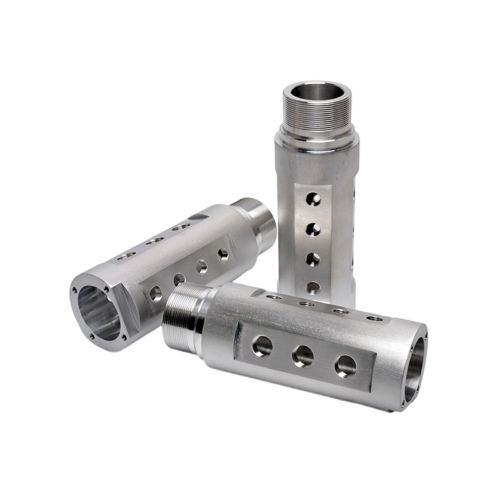
    Best for precision prototypes and low-volume functional parts in metals and engineering plastics, with low tooling requirements and relatively easy design changes.

    CNC machining process
    01
  • 3D Printing

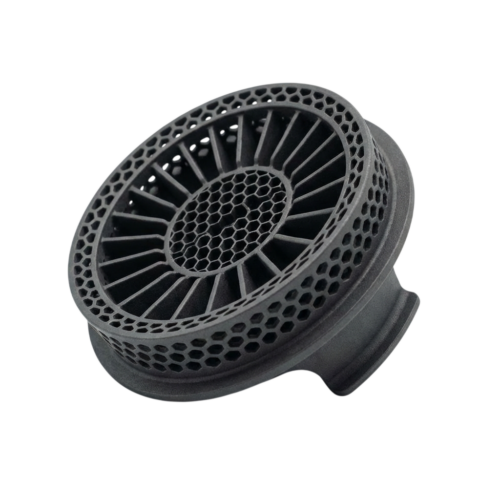
    Best for very low quantities and complex prototype geometries, requiring no tooling and allowing very easy design changes.

    3D printing process
    02
  • Vacuum Casting

    Suitable for small batches of plastic-like parts, using silicone molds for pre-production housings and appearance models.

    Vacuum casting process
    03
  • Sheet Metal Fabrication

    Suitable for thin-wall structural parts such as enclosures, brackets, panels, and frames, with low to moderate tooling requirements.

    Sheet metal fabrication process
    04
  • Injection Molding

    Best for stable designs and higher production quantities of plastic parts, but requires significant tooling and makes later design changes more difficult.

    Injection molding process
    05
  • Die Casting

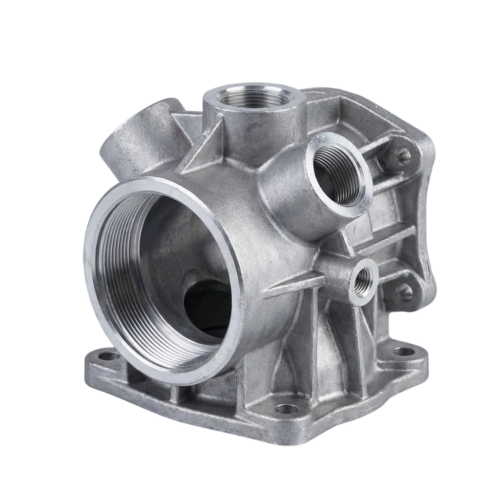
    Suitable for higher-volume metal parts with stable geometry, particularly complex aluminum, zinc, and magnesium components.

    Die casting process
    06

Discuss Your Project

FAQ

Frequently Asked Questions

Quick answers to common questions about low-volume production, including volume range, lead time, materials, and process flexibility.

What production quantities does low-volume production support?
Typical quantities range from 10 to 500 parts, with scalability to larger volumes when required.
How long does low-volume CNC machining take?
Standard projects can typically be completed in approximately 5 business days, while simple components may be produced faster. Complex geometries, special materials, large quantities, demanding inspection requirements, heat treatment, or surface finishing can extend the production schedule.
Is there a minimum order quantity for CNC machining?
CNC machining can be used for individual prototypes as well as production batches. The economic quantity depends on setup complexity and the total number of parts required, so projects are evaluated individually rather than relying on one fixed quantity for every component.
Is low-volume CNC machining more expensive per part than mass production?
The unit cost is often higher because programming, setup, workholding, and inspection costs are distributed across fewer parts. However, low-volume CNC machining avoids the large initial tooling investment required by many high-volume processes and can be more economical when quantities are limited or designs are still changing.
Can I change the design between production batches?
Yes. One advantage of CNC machining is that revised CAD files and drawings can be reviewed before the next batch is produced. Changes should still be evaluated for their effect on tooling, setup, material, inspection, cost, and delivery time.
Can you machine both metal and plastic parts?
Yes. Available materials include aluminum, stainless steel, steel, titanium, brass, copper, and a range of engineering plastics such as POM, nylon, PC, PEEK, PTFE, and acrylic. Material availability may vary by grade and stock form.
Can low-volume CNC parts receive surface finishing?
Yes. Depending on the material, parts can receive treatments such as anodizing, sand blasting, polishing, passivation, plating, powder coating, and painting. Finishing requirements should be specified before production so that dimensional and masking considerations can be reviewed in advance.
What files should I provide for a quotation?
For the most accurate review, provide a 3D CAD file together with a 2D drawing showing critical dimensions, tolerances, threads, GD&T, surface finish requirements, material, and required quantity. Additional inspection or documentation requirements should also be included when applicable.
Can CNC machining be used as bridge production before mass production?
Yes. CNC machining can supply functional parts while a product is being validated, demand is still developing, or production tooling is being prepared. Once the design and required quantities become stable, the manufacturing strategy can be reviewed to determine whether CNC machining or another process is more suitable for future production.
Services

Related Services

    Get a CNC Quote